
Bangladesh-India Relations at Critical Juncture Following Hasina's Death Sentence
- Date & Time:
- |
- Views: 52
- |
- From: India News Bull
Opinion: How Hasina's Death Sentence Has Put Delhi-Dhaka Relations At Crossroads
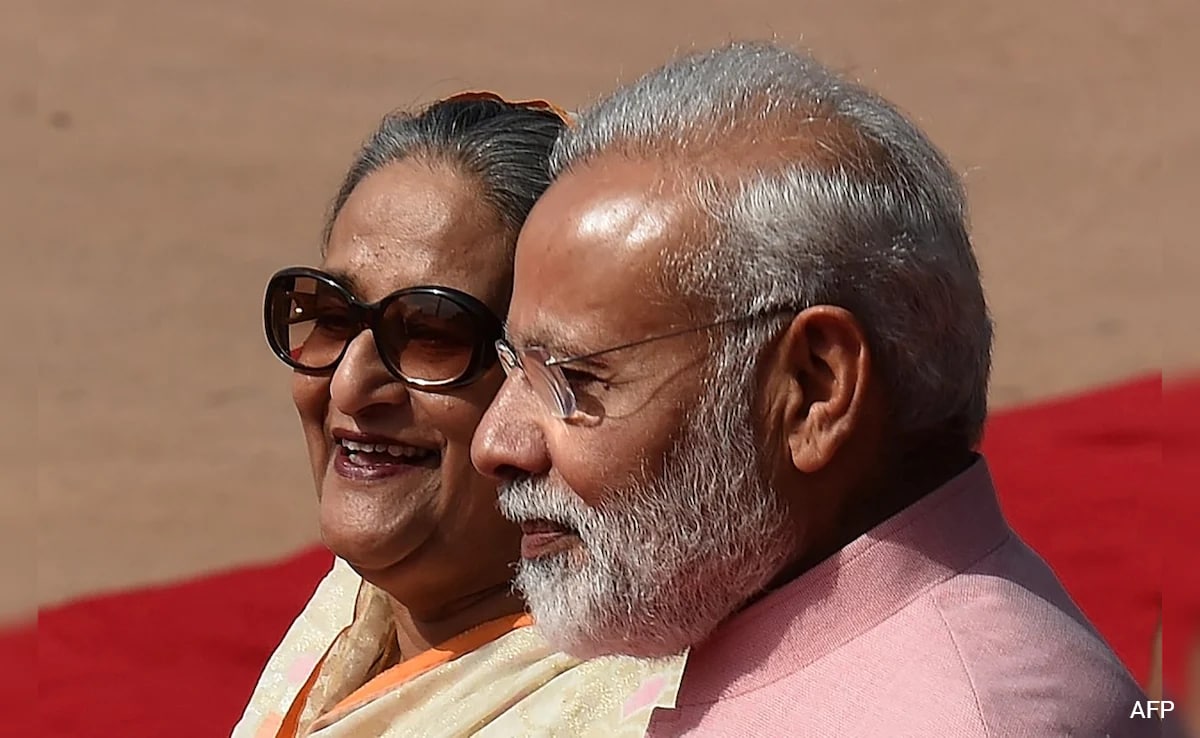
The Bangladesh International Crimes Tribunal has sentenced former Prime Minister Sheikh Hasina to death for crimes against humanity, including directing destructive actions during the student-led protests of June 2024.
After resigning and seeking refuge in India, Hasina has rejected these accusations, maintaining that the case against her is politically motivated.
India's response to Hasina's death sentence has been measured. The tribunal also sentenced former Home Minister Asaduzzaman Khan Kamal to death in absentia, while former Inspector General of Police Chowdhury Abdullah Al-Mamun received a five-year prison term.
Despite concerns expressed by the United Nations and other international bodies regarding the judicial process, Bangladesh's authorities remain firm in their decision to impose capital punishment on Hasina.
It appears unlikely that India will extradite Hasina to Bangladesh. Dhaka itself has not aggressively pursued extradition, recognizing that returning the 78-year-old former leader would heighten domestic tensions and complicate interim government chief Muhammad Yunus's administration, particularly before the February general elections.
Furthermore, India can legally decline Bangladesh's extradition request if the charges appear politically motivated or filed in bad faith.
Amid diplomatic tensions, Bangladesh's National Security Adviser Khalilur Rahman, a close associate of Yunus, is visiting New Delhi for a regional security conclave, potentially meeting with Indian National Security Adviser Ajit Doval. Currently, the central concern remains India's diplomatic strategy and the future of Indo-Bangladeshi relations.
While Bangladesh's political instability concerns India, New Delhi has adopted a non-interventionist stance regarding Bangladesh's internal political dynamics.
Hasina's Awami League now faces significant challenges in participating in Bangladesh's upcoming elections.
Attempts to forge an alliance between the Bangladesh Nationalist Party (BNP) and the Awami League have proven unsuccessful. The BNP, particularly Tarique Rahman, son of party chairperson Khaleda Zia, shows little interest in collaborating with the Awami League.
The BNP perceives that anti-Awami League sentiment persists throughout Bangladesh and anticipates greater electoral success by campaigning independently.
Bangladesh Jamaat-e-Islami continues to play a significant role and has established a Hindu wing within its organization. Since this development, there have been no reported violent incidents against Hindu organizations comparable to those witnessed during Hasina's removal from power.
Yunus's interim government recently prohibited Islamic fundamentalist clergyman Zakir Naik from entering Bangladesh following strong objections from India. This November 2025 decision cited security and logistical concerns, representing an apparent gesture of cooperation toward India.
Given the historical context of 1971, India maintains sympathy for Hasina and the Awami League and will likely continue providing protection. However, this does not suggest any specific commitments considering Bangladesh's current political landscape.
Adding complexity to the situation, former Home Minister Asaduzzaman Khan Kamal has been giving interviews to Bengali media outlets. While Bangladesh has expressed displeasure, India maintains that it neither sponsors nor restricts these interviews, arguing that individuals under political shelter retain freedom of expression.
Nevertheless, New Delhi is actively seeking increased dialogue with Dhaka to address and resolve outstanding bilateral issues.
Source: https://www.ndtv.com/opinion/how-sheikh-hasinas-death-sentence-has-put-delhi-dhaka-relations-at-crossroads-9666144