
COVID-19 mRNA Vaccines Show Promising Results in Boosting Cancer Immunotherapy Effectiveness
- Date & Time:
- |
- Views: 55
- |
- From: India News Bull
A healthy immune system typically eliminates cancer cells before they develop into a serious threat.
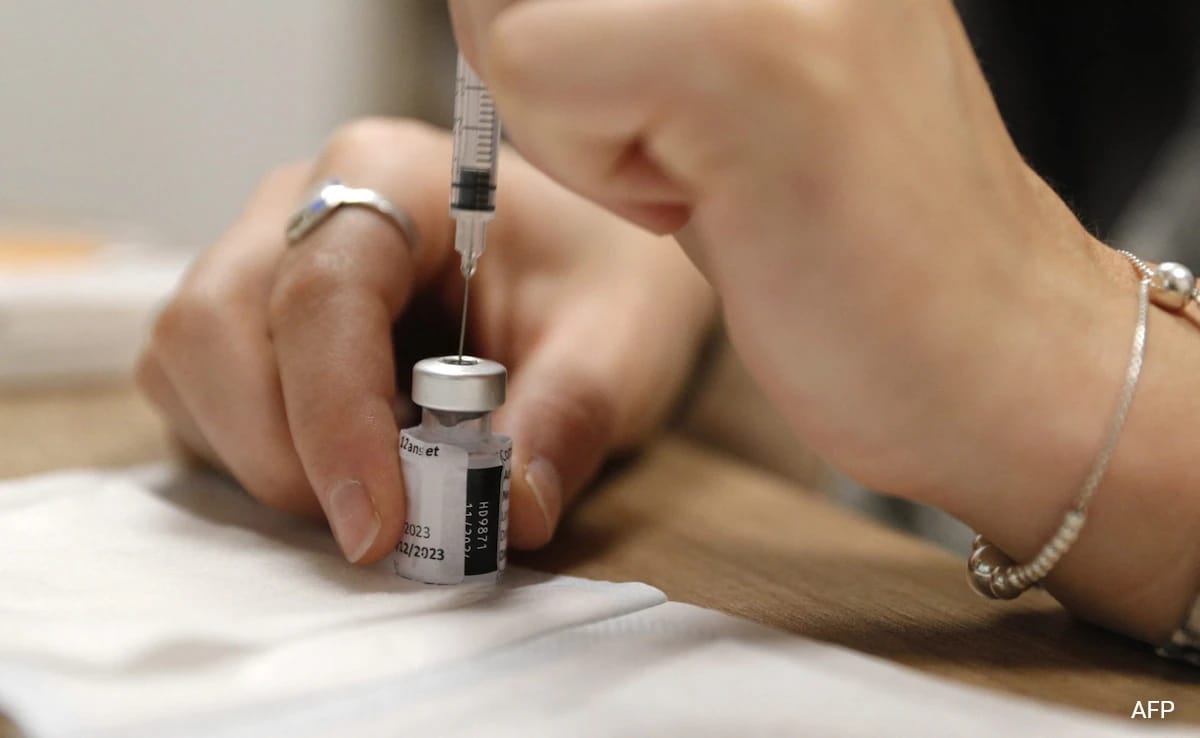
Research suggests that the most common COVID-19 vaccines might provide an unexpected benefit for certain cancer patients by enhancing their immune response against tumors.
According to preliminary findings published Wednesday in the journal Nature, patients with advanced lung or skin cancer who were receiving specific immunotherapy treatments experienced significantly longer survival rates if they also received a Pfizer or Moderna vaccination within 100 days of beginning their cancer treatment.
Interestingly, this benefit was not related to protection against virus infections.
Researchers from MD Anderson Cancer Center in Houston and the University of Florida concluded that the mRNA technology powering these particular vaccines appears to enhance the immune system's response to cutting-edge cancer treatments.
Dr. Adam Grippin of MD Anderson, who led the research, explained that the vaccine "acts like a siren to activate immune cells throughout the body," adding, "We're sensitizing immune-resistant tumours to immune therapy."
Despite Health Secretary Robert F. Kennedy Jr.'s skepticism about mRNA vaccines, resulting in a $500 million funding cut for certain applications of this technology, the research team found their results so promising that they are preparing a more rigorous study to investigate whether mRNA coronavirus vaccines should be systematically paired with cancer medications known as checkpoint inhibitors.
This represents an interim step while they develop new mRNA vaccines specifically designed for cancer treatment.
Normally, a well-functioning immune system destroys cancer cells before they become dangerous. However, some tumors evolve mechanisms to hide from immune detection. Checkpoint inhibitors work by removing this disguise, offering powerful treatment when effective—though some patients' immune cells still fail to recognize the tumor.
Messenger RNA (mRNA), naturally present in all cells, carries genetic instructions for protein production. While now famous for powering the Nobel Prize-winning COVID-19 vaccines, scientists have long been working to create personalized mRNA "treatment vaccines" that could train immune cells to identify unique characteristics of a patient's tumor.
Dr. Jeff Coller, an mRNA specialist at Johns Hopkins University not involved in the study, noted that this research provides "a very good clue" suggesting that a standardized approach might be effective. "What it shows is that mRNA medicines are continuing to surprise us in how beneficial they can be to human health," he said.
Grippin and his colleagues from Florida had been developing personalized mRNA cancer vaccines when they discovered that even a non-targeted mRNA vaccine seemed to generate similar immune activity against cancer.
This led Grippin to question whether widely available mRNA coronavirus shots might produce comparable effects.
The team analyzed records of nearly 1,000 advanced cancer patients undergoing checkpoint inhibitor treatment at MD Anderson, comparing outcomes between those who received a Pfizer or Moderna shot and those who did not.
Their analysis revealed that vaccinated lung cancer patients were almost twice as likely to survive three years after starting cancer treatment compared to unvaccinated patients. Among melanoma patients, the median survival was notably longer for those who were vaccinated, though the exact duration remains unclear as some patients in that group were still alive when the data was analyzed.
Grippin noted that non-mRNA vaccines, such as flu shots, did not demonstrate similar beneficial effects.
Source: https://www.ndtv.com/world-news/covid-19-vaccines-may-help-some-cancer-patients-fight-tumors-9500603