
Brown University Joins MIT in Rejecting Trump's College Compact Over Academic Freedom Concerns
- Date & Time:
- |
- Views: 103
- |
- From: India News Bull
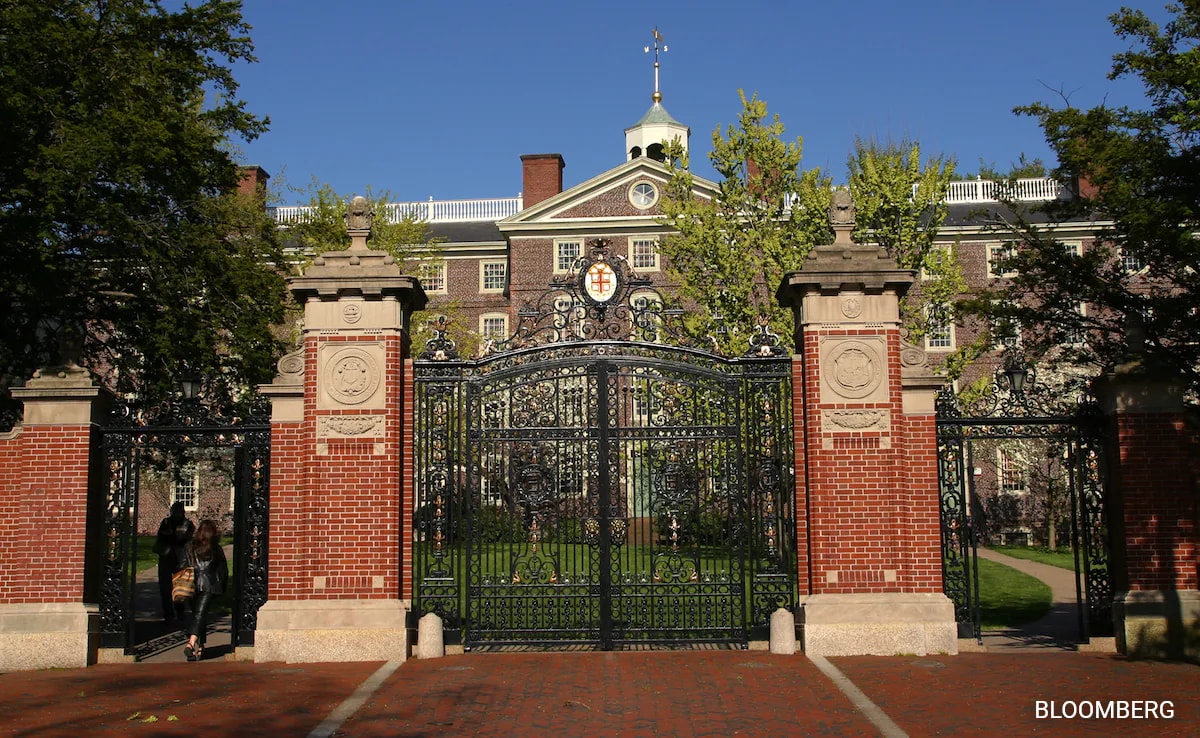
Brown University's President expressed concerns that the compact "would restrict academic freedom."
Brown University has declined the White House's invitation to sign an agreement that would provide preferential funding in exchange for implementing various policy changes, including bans on diversity, equity, and inclusion programs and restrictions on international students.
This Ivy League institution becomes the second higher education establishment to reject President Donald Trump's Compact for Academic Excellence in Higher Education, following Massachusetts Institute of Technology's decision to decline the proposal last week.
In her Wednesday letter to administration officials, Brown President Christina Paxson stated her concerns that the compact "by its nature and by various provisions would restrict academic freedom and undermine the autonomy of Brown's governance."
Paxson's concerns mirror those expressed by MIT President Sally Kornbluth last week, who responded to the Trump administration by noting that the compact undermines merit-based processes for research grant allocations.
White House spokesperson Liz Huston responded via email stating, "President Trump is committed to restoring academic excellence and common sense at our higher education institutions. Any university that joins this historic effort will help to positively shape America's future."
The agreement was initially offered to nine colleges on October 1. The remaining seven institutions - the University of Virginia, the University of Texas Austin, the University of Arizona, the University of Pennsylvania, the University of Southern California, Vanderbilt University, and Dartmouth College - have not publicly disclosed their intentions regarding the compact. Earlier this week, the administration extended the invitation to all colleges and universities.
President Trump has indicated that institutions rejecting the deal may face investigations into their compliance with federal laws, though the exact implications for federal research grants or student aid eligibility remain unclear.
Brown had previously established an agreement with the White House in July to reinstate hundreds of millions in frozen research grants in exchange for policy commitments and a $50 million investment in Rhode Island workforce training. Paxson noted in her letter that the compact would contradict the Trump administration's July promise to refrain from influencing curriculum and classroom content.
"We remain committed to the July agreement and its preservation of Brown's core values in ways that the Compact - in any form - fundamentally would not," Paxson wrote.
A White House official, speaking anonymously about the private discussions, explained that the administration's July settlement with Brown aimed to address past harm and discrimination. The official clarified that the compact is forward-looking and will impact future funding and federal partnerships, adding that other universities have proactively expressed interest in participating.
Brown faced mounting pressure to reject the compact, particularly after MIT's response. In her Wednesday letter to the White House, Paxson stated that her decision "aligns with the views of the vast majority of Brown stakeholders."
Source: https://www.ndtv.com/world-news/after-mit-brown-university-rejects-trumps-college-compact-invite-9465496