
From Bulla To Bobolee: 12 Caribbean Words Added In Oxford English Dictionary
- Date & Time:
- |
- Views: 68
- |
- From: India News Bull
Oxford English Dictionary Welcomes 12 New Caribbean Words and Phrases
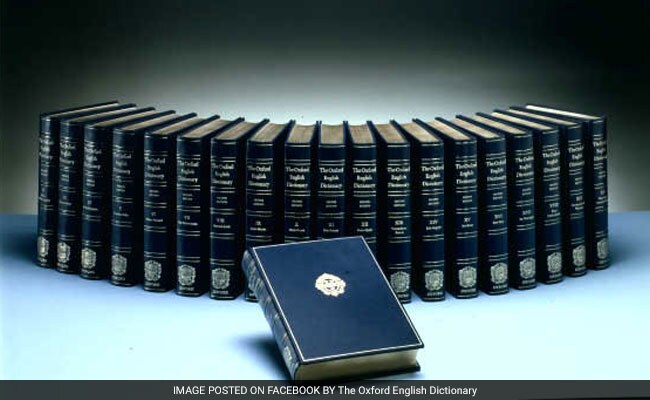
The Oxford English Dictionary, containing approximately 500,000 words and phrases, has officially expanded its lexicon to include 12 new terms originating from the Caribbean region.
Among the newly recognized words is "carry-go-bring-come," dating back to 1825. This term, along with its variations "bring-back-carry-come" and "bring-come-and-carry-go," refers to gossip or someone who spreads gossip, according to dictionary officials.
Several culinary terms have also made their entrance into the prestigious dictionary. "Cou-cou" describes a Caribbean dish made with okra, butter and cornmeal, naturally accompanied by the "cou-cou-stick" used to prepare it.
"Bulla," derived from the Spanish word "bollo" (bread roll), refers to a small, round, flat Jamaican cake made with flour, molasses, brown sugar, and various spices including ginger, nutmeg, coconut, and pineapple.
Another food-related addition is "buss up shut," a popular dish from Trinidad and Tobago consisting of fried unleavened bread with a flaky texture similar to paratha or roti. The dictionary explains that the name represents the Caribbean pronunciation of "bust-up shirt," likening the flaky bread's appearance to torn fabric.
"Pholourie," an Indo-Caribbean dish of fried flour balls, ground split peas and spices, was first referenced in a 1936 song by Trinidadian calypso artist Rafael de Leon.
The oldest Caribbean term added to the dictionary is "saltfish," dating from 1558, which simply refers to fish preserved through salting and drying.
Other non-culinary additions include "bobolee," a dressed-up effigy used as a target for beating on Good Friday; "cry long water," meaning to cry excessively or insincerely; and "broughtupsy," referring to good manners resulting from proper upbringing.
The final two additions are "Jamaican Creole" and "tantie," a respectful title used for older women regardless of familial connection.
The Oxford English Dictionary is renowned for its comprehensive documentation of word histories, with some entries tracing back to the 11th century.