
Europe Fears 'Ugly Deal' as Trump Pushes to End Ukraine War Without Weakening Russia
- Date & Time:
- |
- Views: 60
- |
- From: India News Bull
Brussels:
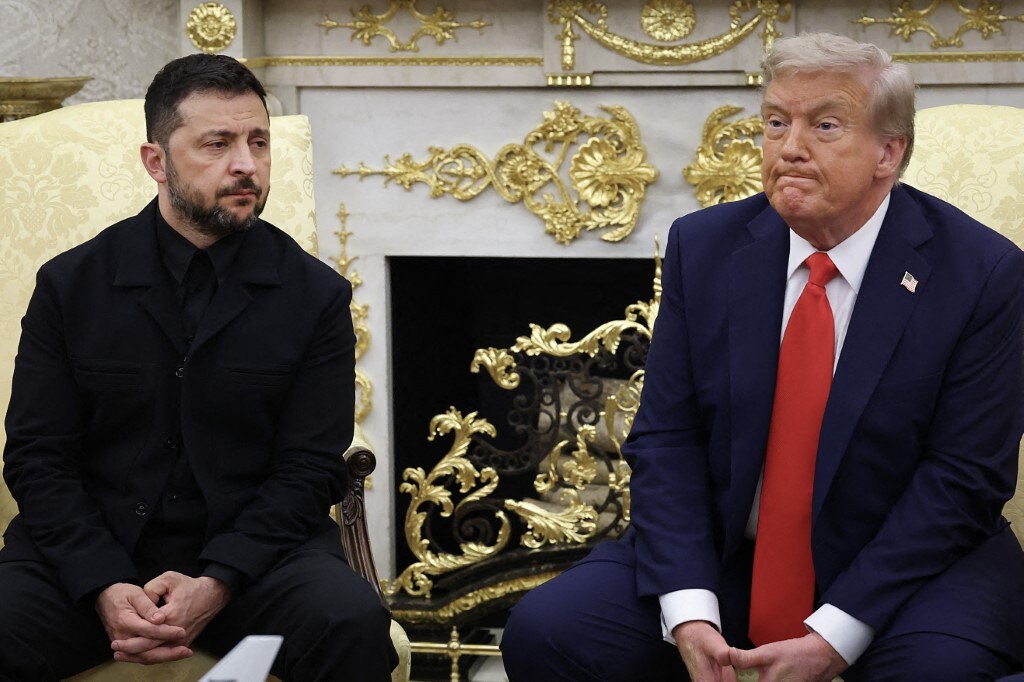
As Donald Trump advances his initiative to end the Ukraine war, European leaders harbor growing concerns about a potential settlement that may not weaken Russia as they had hoped, potentially jeopardizing continental security.
Europe might ultimately have to accept an expanding economic relationship between Washington, its traditional NATO ally and protector, and Moscow—a power that most European governments and NATO itself identify as the continent's primary security threat.
While Ukrainians and European partners successfully challenged elements of a 28-point American peace plan criticized as excessively favorable to Russia, any eventual agreement will likely present significant risks for Europe.
Europe's capacity to shape such a deal remains constrained, largely due to its limited military leverage. European representatives were notably absent from discussions between U.S. and Ukrainian officials in Florida recently, and will remain sidelined when U.S. Special Envoy Steve Witkoff meets Russian President Vladimir Putin.
"The realization is gradually dawning that eventually there will be an ugly deal," observed Luuk van Middelaar, founding director at the Brussels Institute for Geopolitics. "Trump clearly wants an agreement. What deeply unsettles Europeans is his approach based on great-power dynamics: 'We're the U.S., they are Russia, we are big powers.'"
U.S. Secretary of State Marco Rubio has indicated Europeans will participate in discussions regarding NATO and European Union roles in any peace settlement.
However, European diplomats find little reassurance in these statements. They emphasize that virtually every aspect of a potential agreement—from territorial concessions to U.S.-Russian economic partnerships—would profoundly affect Europe.
This latest peace initiative has intensified European anxieties about America's commitment to NATO, which encompasses nuclear protection, weapons systems, and tens of thousands of deployed troops.
German Defence Minister Boris Pistorius recently expressed uncertainty about "which alliances we will still be able to trust in future and which ones will be durable."
Despite Trump's previous NATO criticisms, he reaffirmed his commitment to the alliance and its Article 5 mutual defense provision in June, after Europeans pledged to increase defense spending.
However, Rubio's decision to skip this week's NATO foreign ministers meeting in Brussels may further heighten European concerns, particularly given fears that eastern NATO members could become future Russian targets.
"Our intelligence services are emphatically warning that Russia is at least maintaining the option of war against NATO. By 2029 at the latest," German Foreign Minister Johann Wadephul stated last week.
European officials detect no indication that Putin desires to end his Ukraine invasion. They worry that any agreement failing to respect Ukraine's territorial integrity could encourage Russia to launch further cross-border aggression.
Yet a peace accord will likely allow Moscow to retain control over Ukrainian territories it has forcibly seized, regardless of whether borders are formally redrawn.
The Trump administration has not definitively rejected Russian claims to remaining portions of the Donbas region that Moscow has been unable to capture during nearly four years of conflict.
Furthermore, Trump and other U.S. officials have openly discussed potential business opportunities with Moscow once hostilities conclude.
European officials fear ending Russia's economic isolation from the West would provide Moscow with billions to rebuild its military capabilities.
"If Russia's army remains large, if their military budget stays as substantial as it currently is, they will seek to use it again," EU foreign policy chief Kaja Kallas warned reporters on Monday.
European leaders have struggled to exert meaningful influence over peace negotiations, despite providing approximately 180 billion euros ($209.23 billion) in aid to Ukraine since Russia's February 2022 invasion.
The EU possesses a significant potential bargaining chip in frozen Russian assets. However, EU leaders have failed to reach consensus on utilizing these assets to fund a proposed 140-billion-euro loan that would sustain Ukraine financially and militarily for the next two years.
In an attempt to demonstrate military capability, a "coalition of the willing" led by France and Britain has committed to deploying a "reassurance force" as part of postwar security guarantees for Ukraine.
Russia has rejected this proposed force. Even if deployed, it would be modest in scale, designed to supplement Ukrainian forces rather than provide independent protection, and would require American support to function effectively.
"Europeans are now paying the price for insufficient investment in military capabilities over recent years," said Claudia Major, senior vice president for transatlantic security at the German Marshall Fund of the United States.
"The Europeans are not at the table. Because, to quote Trump, they don't have the cards," she added, referencing the U.S. president's dismissive remarks about Ukrainian President Volodymyr Zelenskyy in February.
Source: https://www.ndtv.com/world-news/analysis-trumps-push-to-end-ukraine-war-raises-fears-of-ugly-deal-for-europe-9734987