
Delhi Car Blast: ISIS-Affiliated Bomber's Ideological Split with Al-Qaeda Co-Conspirators Led to Operational Conflicts
- Date & Time:
- |
- Views: 51
- |
- From: India News Bull
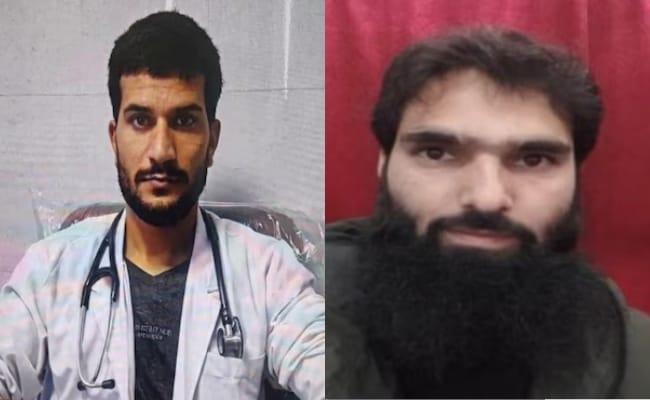
Umar-un-Nabi (L) and Adeel Ahmed Rather
New Delhi:
Sources revealed to NDTV on Sunday that Umar-un-Nabi, who drove the exploding Hyundai i20 near Delhi's Red Fort on November 10, had avoided attending co-conspirator Adeel Ahmed Rather's wedding due to ideological differences and disagreements over financing the attack.
Umar, a Kashmiri doctor affiliated with Haryana's Al-Falah University in Faridabad—now a central focus in the Delhi car blast investigation—adhered to ISIS ideology, while his co-accused supported al-Qaeda, creating significant tension within the group.
Though ISIS and al-Qaeda share foundations in Salafism and Jihadism, they diverge substantially in their strategic priorities, approaches to violence, sectarian perspectives, and visions for establishing a caliphate.
These ideological differences led Umar, described as the most radicalized member of the 'white-collar' terror cell responsible for the Delhi blast, to skip Adeel's wedding ceremony in Jammu and Kashmir earlier this year.
In October, Umar traveled to Qazigund in Jammu and Kashmir seeking reconciliation with group members to ensure their plan for multiple attacks could proceed, according to intelligence sources.
Financial disputes also divided Umar from other cell members, particularly regarding operational expenses. After receiving approximately Rs 26 lakh for explosives and logistics, he reportedly resisted providing detailed expenditure reports. Umar contributed Rs 2 lakh to the operation, while Adeel provided Rs 8 lakh.
Fellow arrestees Shaheen Saeed and Muzammil Shakeel each contributed Rs 5 lakh, and Adeel's brother, Muzaffar Ahmed Rather—reportedly now fled from India—provided Rs 6 lakh.
The blast near Red Fort killed 15 people and injured many others. Umar had initially intended to detonate the explosive device near the Red Fort parking area, a tourist destination adjacent to a busy marketplace, but reportedly "panicked" following the arrests of his associates Shaheen Saeed and Muzammil Shakeel during the broader investigation into the 'white-collar' terror network.
Umar apparently overlooked that Red Fort closes on Mondays, finding no crowds upon reaching the parking area. After waiting three hours inside the parking lot, he drove away and detonated the i20 near a traffic signal at the Red Fort Metro Station.
Just hours before the explosion, Jammu and Kashmir Police had announced breaking up an interstate and transnational 'white-collar' terror module connected to Pakistan-based Jaish-e-Mohammed and the al-Qaeda-affiliated Ansar Ghazwat-ul-Hind. They reported seizing 2,900 kilograms of explosive materials, including ammonium nitrate, believed to have been used in the Delhi attack.
(With inputs from Pradeep Dutta)
Source: https://www.ndtv.com/india-news/delhi-red-fort-blast-suicide-bomber-umar-nabi-followed-isis-differed-with-co-accused-over-al-qaeda-ideology-sources-9684887