
Ladakh's Democratic Crisis: Hill Council Term Ends Without Election Plans
- Date & Time:
- |
- Views: 51
- |
- From: India News Bull
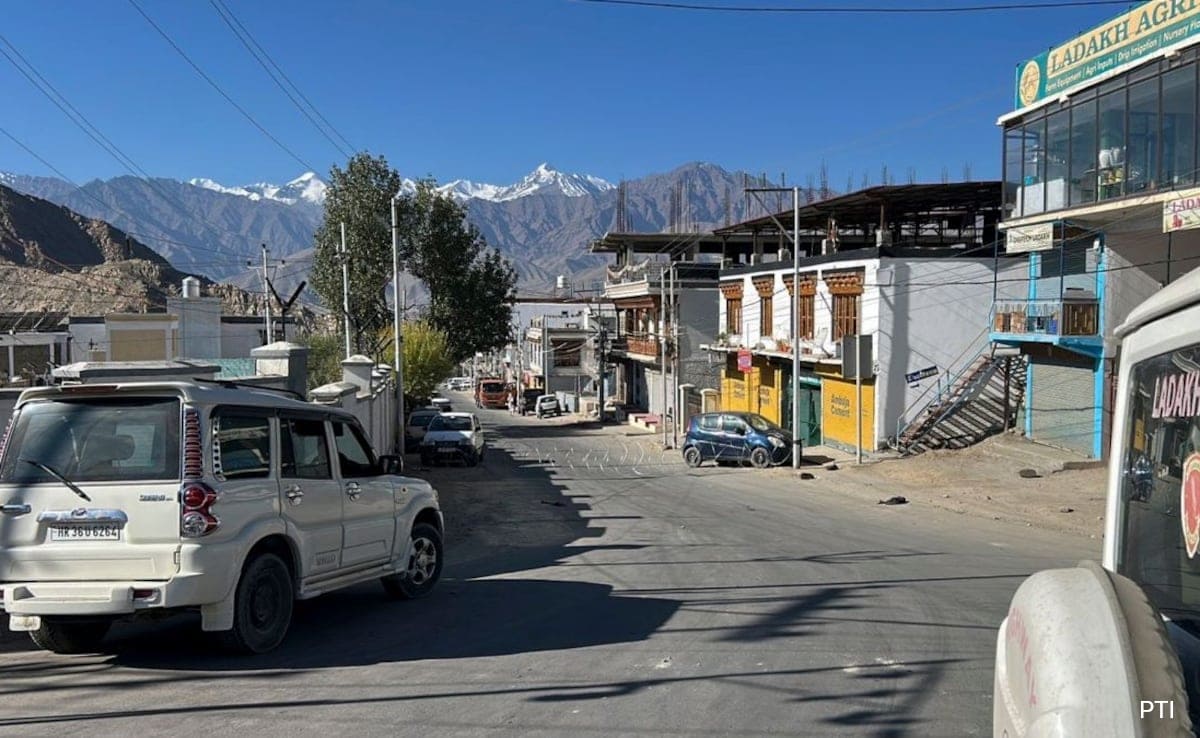
BJP secured victory in the previous LAHDC elections by promising to implement the sixth schedule for Ladakh.
As the five-year term of the Ladakh Autonomous Hill Development Council (LAHDC) concludes without any scheduled elections, the Union Territory's final remaining democratic institution has effectively ceased to function.
The termination of LAHDC's term coincides with the region's ongoing struggle for statehood and constitutional protections, leaving Ladakh without any political representation at the local governance level.
The Ladakh Union Territory administration was expected to announce election notifications in September for October Hill Council elections, with the process to be finalized by November 1.
According to official sources, LAHDC elections may be delayed until new districts are established in Ladakh and council seat delimitation is completed. The Union Home Ministry announced five new districts for Ladakh last August. Regional leaders argue that creating these new districts will further diminish local population authority.
Prior to Article 370's abrogation, when Ladakh was part of Jammu and Kashmir, the Ladakh Autonomous Hill Council possessed extensive powers on critical regional matters. Since becoming a separate union territory, Ladakh leaders maintain that bureaucracy has essentially stripped the council of its authority.
"I'm uncertain about the government's intentions. The Hill Council represented Ladakh's last democratic institution. They're delaying elections under the pretext of establishing new districts," stated Tsering Dorjey Lakrook, co-chairman of the Leh apex body.
The most recent Autonomous Council elections took place in 2020. BJP won by promising to grant Sixth Schedule status to Ladakh, which would provide significant self-governance powers to autonomous district councils regarding land, forests, customs, and civil and criminal justice matters.
Ladakhi leaders have accused the BJP of reneging on their promise and have initiated protests demanding statehood and Sixth Schedule implementation.
Recent demonstrations in Ladakh turned violent when protesters set fire to the BJP headquarters in Leh. The subsequent police response resulted in four protester fatalities, followed by a major crackdown in Leh with numerous arrests.
Activist Sonum Wangchuk led these protests and has been charged under the National Security Act, currently detained in Rajasthan's Jodhpur jail.
Jammu and Kashmir and Ladakh have lacked panchayat and local body representation for two years. No elections were conducted after their terms expired between November 2023 and January 2024.
With the Autonomous Hill Council's dissolution in Leh, Ladakhi residents claim this marks democracy's end in the region.
Ladakh was established as a separate Union Territory in August 2019 following Article 370's abrogation and the division of the former Jammu and Kashmir state. Many Leh residents, including Wangchuk, initially welcomed this change. However, within a year, concerns grew regarding what locals described as a political vacuum under the lieutenant governor's administration.
Source: https://www.ndtv.com/india-news/term-of-ladakhs-last-democratic-space-ends-with-no-elections-in-the-offing-9552236