
Inside Bollywood's Royal Dynasty: How "The B***ds of Bollywood" Mirrors Industry Realities
- Date & Time:
- |
- Views: 48
- |
- From: India News Bull
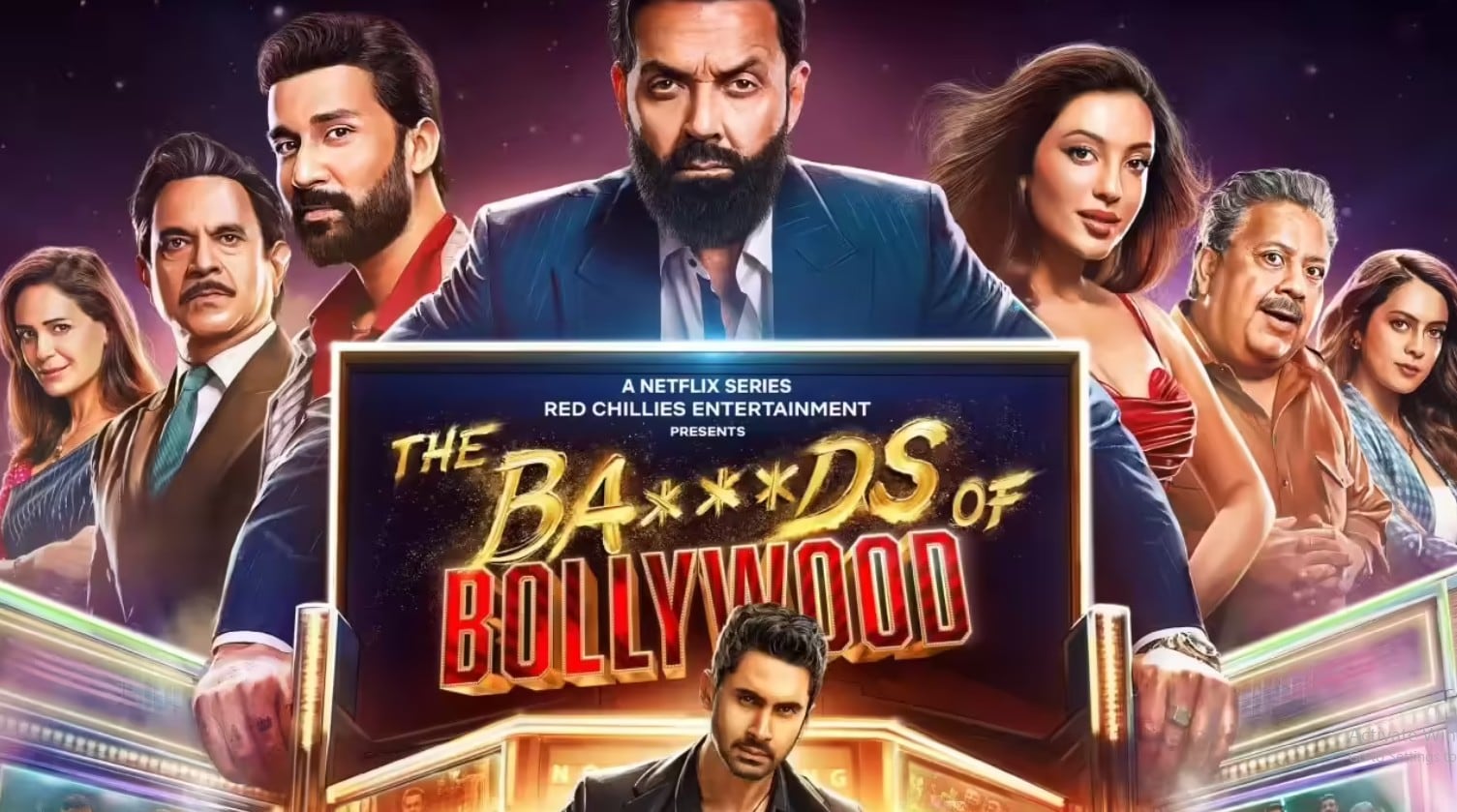
My casual tweet about "The B***ds of Bollywood" has ignited quite the digital explosion after I spent two evenings binge-watching this captivating OTT series. Responses ranged from shock and delight to accusations of paid endorsement, confirming what we already know: the real-life drama surrounding Bollywood often outshines its cinematic output.
This reaction prompted me to reflect not just on the show itself but what it reveals about our society and its values. Those who enjoyed all seven episodes were essentially acknowledging the stylized, beautifully chaotic world it mirrors - an ecosystem where stakes are astronomical, drama is abundant, and the boundary between fiction and reality remains perpetually hazy. Our reactions reflect our subconscious understanding of what truly powers the glittering machinery of tinsel town.
Perhaps the most persistent value highlighted in these portrayals is the concept of the Royal Bloodline. We discuss the Nepo-Verse with equal parts cynicism and fascination because it transforms the industry into a modern, somewhat disorganized monarchy. The fundamental value isn't artistic innovation but dynasty. (Apologies, SRK - though you're certainly not alone in this.)
In this "Nepo-Verse," a character's primary struggle rarely involves perfecting acting techniques; instead, it's deeply existential: am I worthy of my father's or uncle's legacy? The journey isn't a humble progression from theater to cinema; it's an epic saga of proving oneself deserving of the family mantle. The red carpet functions as a throne room, while box office results represent the ultimate pledge of allegiance to the khandaan (family).
This system suggests that industry access is largely determined by birthright, making every career path an epic tale of survival. Without the right surname, your struggle becomes twice as difficult, and potentially twice as underhanded. The narrative confirms our belief that in India, family trumps everything - even when family members fiercely compete for identical roles and headlines.
This is where the reflection reaches its darkest reality - an essential element of Bollywood mythology: the pervasive, chilling influence of the underworld.
The inclusion of shadowy financiers, powerful bhais, and questionable contracts doesn't merely add thrilling elements; it points to a profound societal truth - the seamless intersection of unregulated capital and raw power with legitimate business. The glamour requires financing, and sometimes that financing carries a steep, often morally compromising price.
In these fictional universes, the gangster rarely appears as just an external threat. He's frequently an unacknowledged partner - a parallel power broker offering solutions (muscle, protection, black money) outside legal boundaries. This dynamic validates a deep suspicion: behind the industry's glossy veneer lies a frighteningly accessible infrastructure of illegality. The core value becomes survival at any cost, with the sobering realization that in this high-stakes environment, formal societal rules yield to those who exert the most pressure. It's a stark reminder that influence represents the ultimate currency, regardless of its source.
The paramount cultural value portrayed in these narratives is the Beautiful Lie. The actors inhabit a dazzling bubble where lighting is always perfect, wit always sharp, and emotions consistently amplified. The real challenge lies in maintaining this façade.
Image reigns supreme - not merely looking good, but appearing effortlessly flawless, perpetually scandal-free (unless the scandal is strategically orchestrated by PR professionals), and consistently aspirational. Authentic honesty holds less value than the perfect performance of honesty.
Every industry gathering, magazine feature, and social media post becomes a meticulously choreographed demonstration of "I have everything together." Social events transform into high-stakes battlegrounds, not for networking but for silent warfare over seating arrangements, photo opportunities, and being seen conversing with influential producers.
Fame's fragility proves startling. One box office failure, controversial headline, or unfortunate encounter - whether with a competing star or dubious financier - can collapse the entire glittering structure. It's an exhausting realm where the ultimate fear isn't negative reviews but unflattering angles, both literal (on camera) and ethical (in media coverage). The relentless pursuit of public perfection demands extraordinary private resilience.
In this high-stakes environment, the true currency isn't merely financial; it's influence. Relationships - both professional and personal - maintain a subtle transactional quality. Friends become temporary allies; enemies are often former allies who either lost favor or became too successful. A relationship's true value lies not in trust but in utility and influence exchange.
The omnipresent PR machinery works tirelessly to craft seemingly organic friendships and coincidental encounters, carefully shaping public perception to manufacture star power. Everything undergoes mediation, filtering, and design to maximize brand value. The straightforward, authentic values of everyday life - uncomplicated love, genuine friendship - become nearly impossible under constant scrutiny and the relentless pressure to enhance one's brand. It's a world where you're only as valuable as your last success and your next strategic alliance.
Finally, we must turn our gaze outward to examine the biggest co-star in this entire drama: us. As the audience, we ultimately consume this mythology and participate in its perpetuation. We desire larger-than-life cinema and escapist fantasies, but simultaneously crave the human, messy, occasionally illicit, and highly sensationalized drama beneath the perfect surface.
Shows like The B***ds of Bollywood don't merely reflect industry values; they mirror the values we attribute to it. We need to believe in both glamour and gossip. We want romance and rivalry, elaborate dance sequences and dinner-table betrayals, plus the dark underbelly that lends authenticity to the narrative. We continue watching because, by sensationalizing the drama, these shows simply confirm the "truth" we've already constructed.
As the digital commotion surrounding my trending tweet subsides, I'm left contemplating that Bollywood isn't merely an industry but a beautifully unhinged ecosystem. It's messy, majestic, and determined to prove that its reality - especially when infused with delicious danger and dramatic flair - surpasses its films in entertainment value.
Credit to Aryan Khan for recognizing this reality he grew up with and willingly sharing it through a knowing nod and self-referential wink (with his father and other celebrities complicit through their guest appearances). It's an opera of ambition, finance, and dynasty performed under the harsh yet forgiving illumination of countless camera flashes. Prepare the popcorn and chill the Diet Coke for next season - the saga continues.
(Shashi Tharoor has been a Member of Parliament from Thiruvananthapuram, Kerala, since 2009. He is an author and a former diplomat)
Disclaimer: These are the personal opinions of the author
Source: https://www.ndtv.com/opinion/the-b-ds-the-buzz-a-reflection-on-and-in-bollywoods-mirror-9536985