
Delhi Air Quality Reaches 'Very Poor' Level on Diwali Morning Despite Green Cracker Regulations
- Date & Time:
- |
- Views: 53
- |
- From: India News Bull
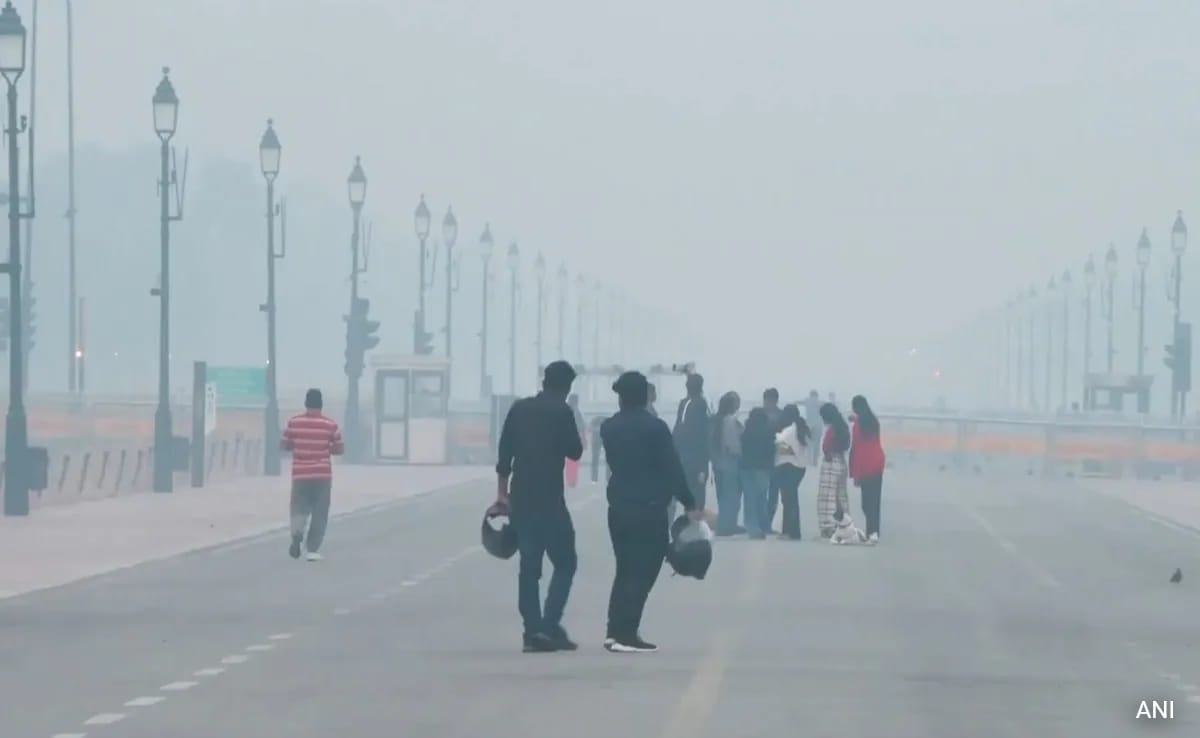
Delhi experienced toxic air quality on Diwali morning as the Air Quality Index (AQI) deteriorated to the "very poor" category. According to data from the Central Pollution Control Board (CPCB), the city recorded an overall AQI of 335 by 8 am following widespread firecracker use, which caused significant noise pollution and covered the national capital in smoke.
Among Delhi's approximately 38 monitoring stations, most registered AQI readings above 300, placing them in the "very poor" category. Particularly concerning were the readings from Anand Vihar (414) and Wazirpur (407), which reached the "severe" category.
Visuals from India Gate showed the impact of GRAP-2 implementation, with the AQI recorded at 347, categorized as 'Severe' according to CPCB measurements. Similarly, at Akshardham temple, the AQI reached a concerning 411, also in the 'Severe' category per CPCB data.
Only two monitoring stations maintained relatively better air quality - Sri Aurobindo Marg (165) and DTU (198) - both in the "moderate" category.
For reference, the AQI classification system defines 0-50 as "good," 51-100 as "satisfactory," 101-200 as "moderate," 201-300 as "poor," 301-400 as "very poor," and 401-500 as "severe."
The CPCB forecasts predict continued deterioration, with air quality likely reaching the "severe" category on Tuesday and Wednesday.
The Supreme Court has issued regulations allowing only green firecrackers in Delhi-NCR during Diwali, with specific time restrictions. These include usage from 6 am to 7 pm the day before Diwali and from 8 am to 10 pm on the festival day itself. This represents a modification of the previous blanket ban on all fireworks manufacture, sale, and use.
In response to worsening conditions, the Commission for Air Quality Management (CAQM) activated Stage II of the Graded Response Action Plan (GRAP) across Delhi-NCR on Sunday evening. This implementation comes in addition to Stage I measures already in effect since October 14.
The decision followed the Sub-Committee on GRAP's review of deteriorating pollution levels and forecasts from the India Meteorological Department (IMD) and Indian Institute of Tropical Meteorology (IITM), which indicated further decline in air quality.
GRAP Stage II introduces enhanced pollution control measures including daily mechanical sweeping and water sprinkling on key roads before peak traffic hours to minimize dust. Construction and demolition sites face stricter inspections to ensure dust control compliance.
To promote cleaner transportation, the plan mandates increased public transport services through additional CNG and electric buses, enhanced metro frequency, and differential fares encouraging off-peak travel.
Resident welfare associations must provide electric heaters to staff such as security guards and sanitation workers to prevent open burning of biomass during winter. Additionally, only CNG, electric, or BS-VI diesel inter-state buses are permitted to enter Delhi, with exceptions for tourist buses operating under all-India permits.
The GRAP system categorizes air quality into four stages: Stage I (Poor) with AQI between 201-300, Stage II (Very Poor) at 301-400, Stage III (Severe) at 401-450, and Stage IV (Severe Plus) for AQI exceeding 450.
Delhi Chief Minister Rekha Gupta urged residents to help reduce pollution by exclusively using green firecrackers during Diwali celebrations. She encouraged traditional celebration methods like lighting diyas, creating rangoli, and sharing sweets, emphasizing that Diwali should be celebrated in peace and harmony.
Source: https://www.ndtv.com/india-news/delhis-air-quality-index-worsens-to-very-poor-category-on-diwali-2025-morning-9485596