
geopolitical strategy

Understanding the $700 Million US-Pakistan F-16 Deal: Implications for India's Strategic Position
Dec 15, 2025 10:47 am CST
This analysis examines the recent $700 million US package for Pakistan's F-16 fleet maintenance and its strategic implications. The article contextualizes this development within the historical US-Pakistan defense relationship, evaluates India's position, and explains how Pakistan will leverage this deal domestically and internationally. It provides a balanced perspective on the evolving geopolitical landscape in South Asia while emphasizing that India should respond with strategic realism rather than alarm.
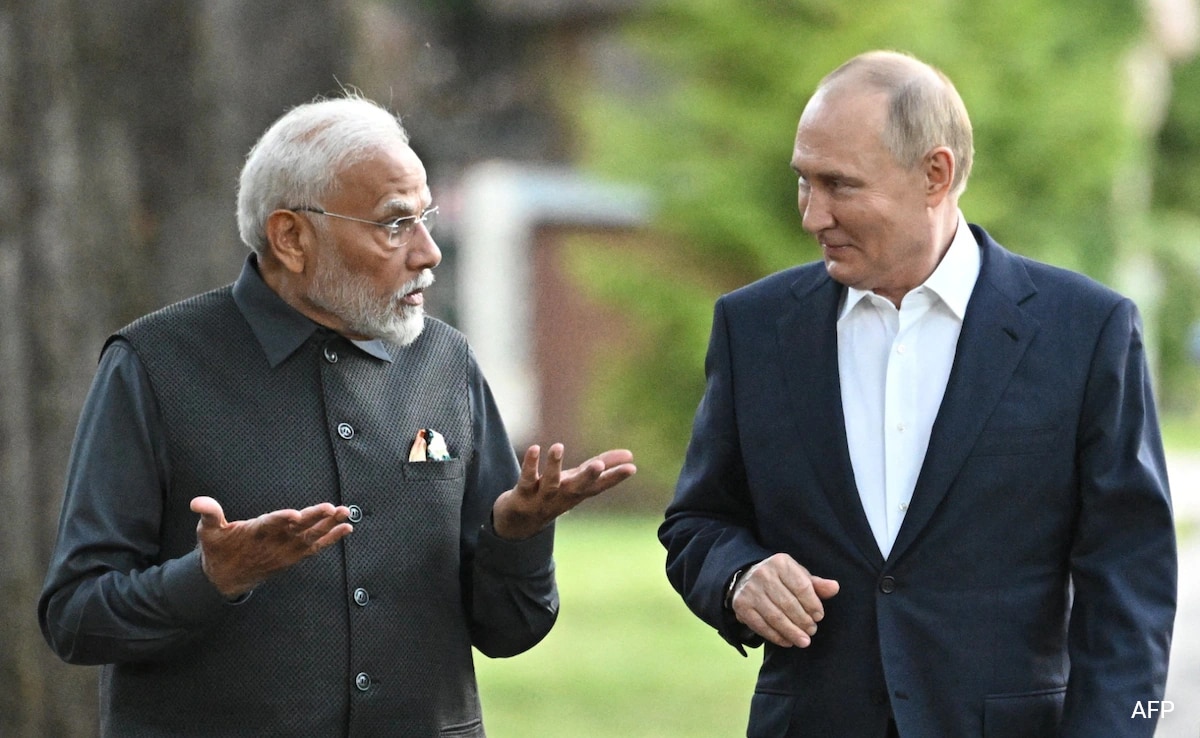
Putin's Visit to India: Strengthening Strategic Partnership Amid Global Tensions
Dec 09, 2025 07:43 pm CST
Russian President Vladimir Putin's recent visit to India showcased the enduring strategic partnership between the two nations amid complex geopolitical tensions. Despite Western concerns, the visit yielded agreements on joint defense manufacturing, payment system interoperability, trade corridor development, and expanded nuclear energy cooperation. While the outcomes may appear modest compared to expectations, they reflect a relationship built on decades of trust that both nations seek to maintain while navigating today's challenging international environment.
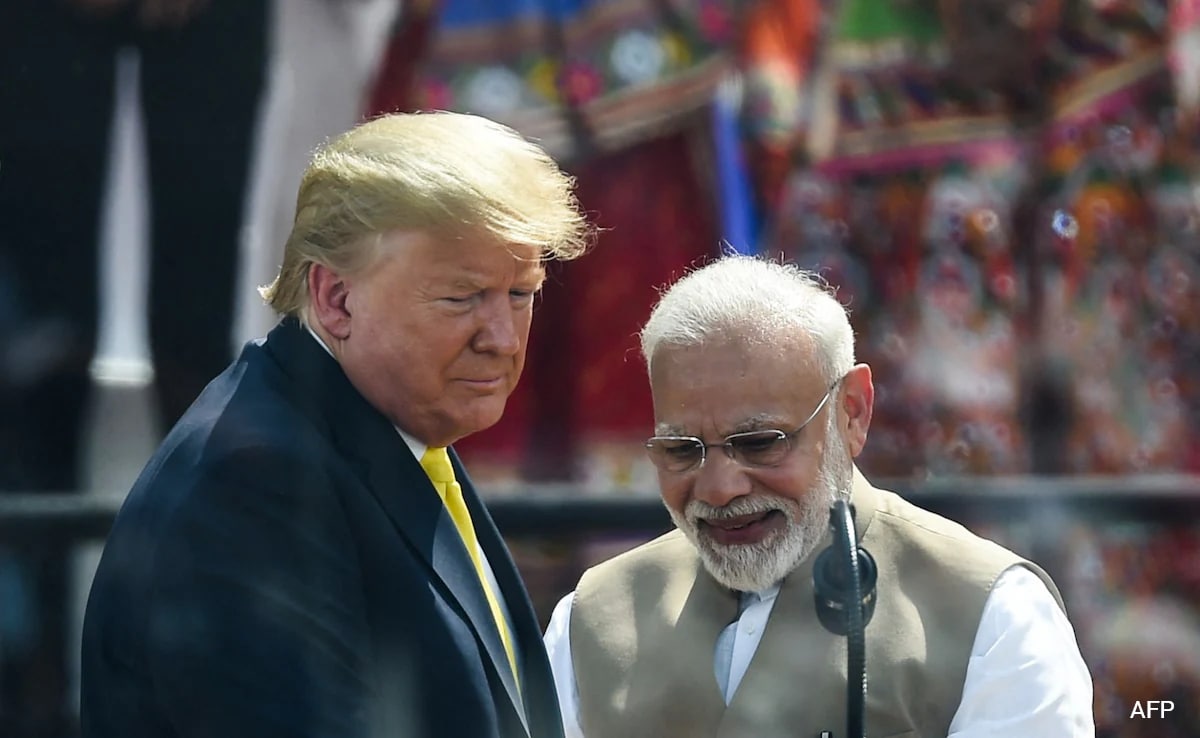
Former Pentagon Official: How Trump's Decisions Are Pushing India Closer to Russia
Dec 06, 2025 09:49 pm CST
A former Pentagon official claims that US President Donald Trump's "gross incompetence" has damaged US-India relations, potentially due to Pakistani influence. As Russia promises "uninterrupted shipments" of fuel to India, Michael Rubin criticizes the US for hypocritically lecturing India about Russian oil purchases while maintaining its own trade with Moscow, arguing that America should respect India's need to secure energy resources for its growing economy.
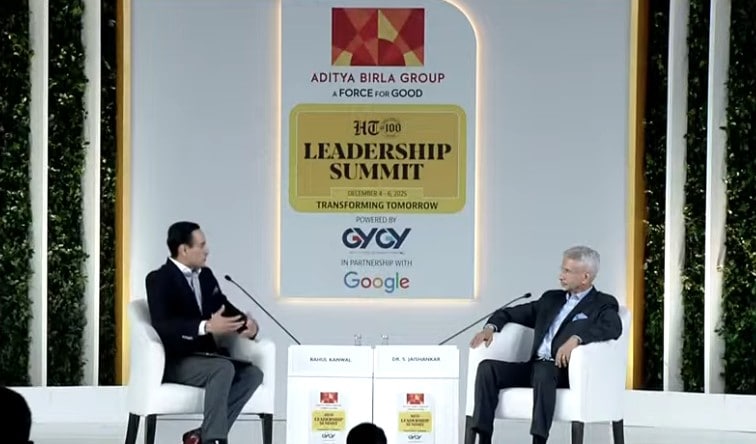
S Jaishankar Defends India's Strategic Autonomy: "No Country Has Veto On Our Ties"
Dec 06, 2025 04:57 pm CST
Foreign Minister S Jaishankar firmly asserts India's strategic autonomy in international relations, emphasizing that the long-standing India-Russia partnership demonstrates India's sovereign right to cultivate diverse global alliances without external interference, while maintaining that productive negotiations with the US on trade matters continue alongside.
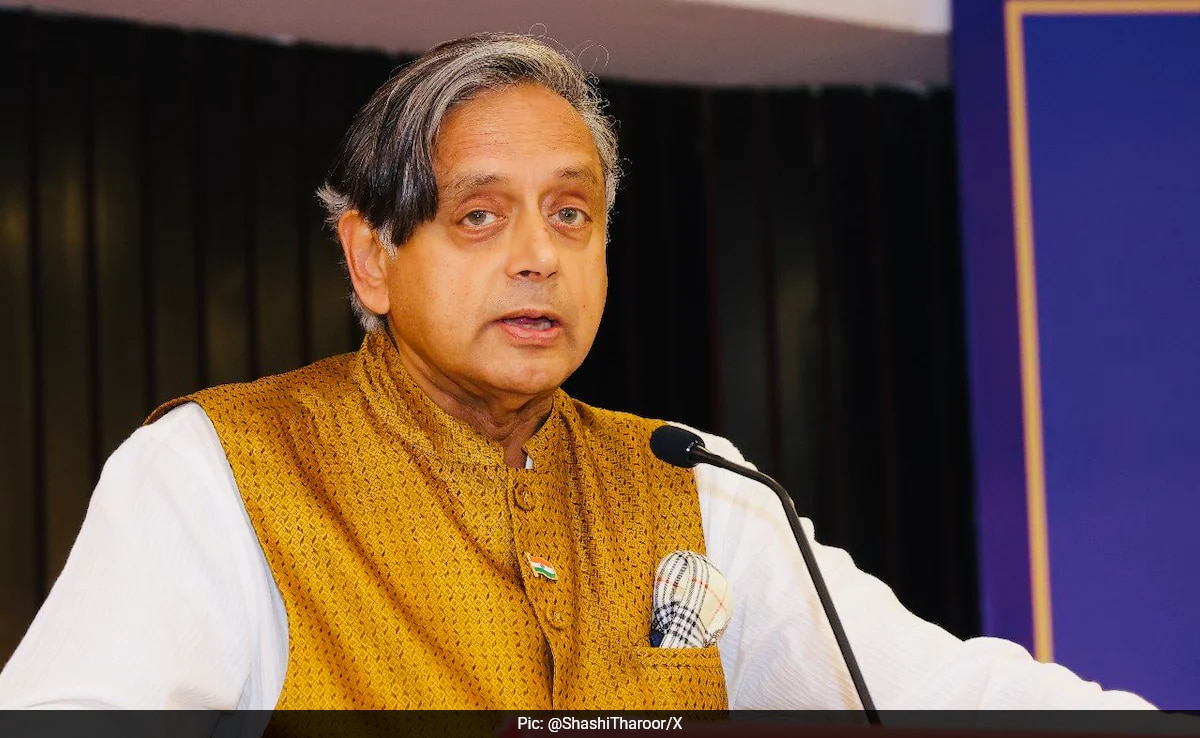
Shashi Tharoor Defends India's Sovereign Right to Multi-Alignment: "Trump Must Respect Our Relations with Russia"
Dec 06, 2025 01:54 pm CST
Congress MP Shashi Tharoor asserts India's right to maintain independent foreign relations following Russian President Vladimir Putin's visit to India. Amid US tariffs over India's Russian oil purchases, Tharoor emphasized his concept of "multi-alignment" as essential in today's fractured geopolitical landscape, stating that each nation must respect others' sovereign choices in international partnerships.
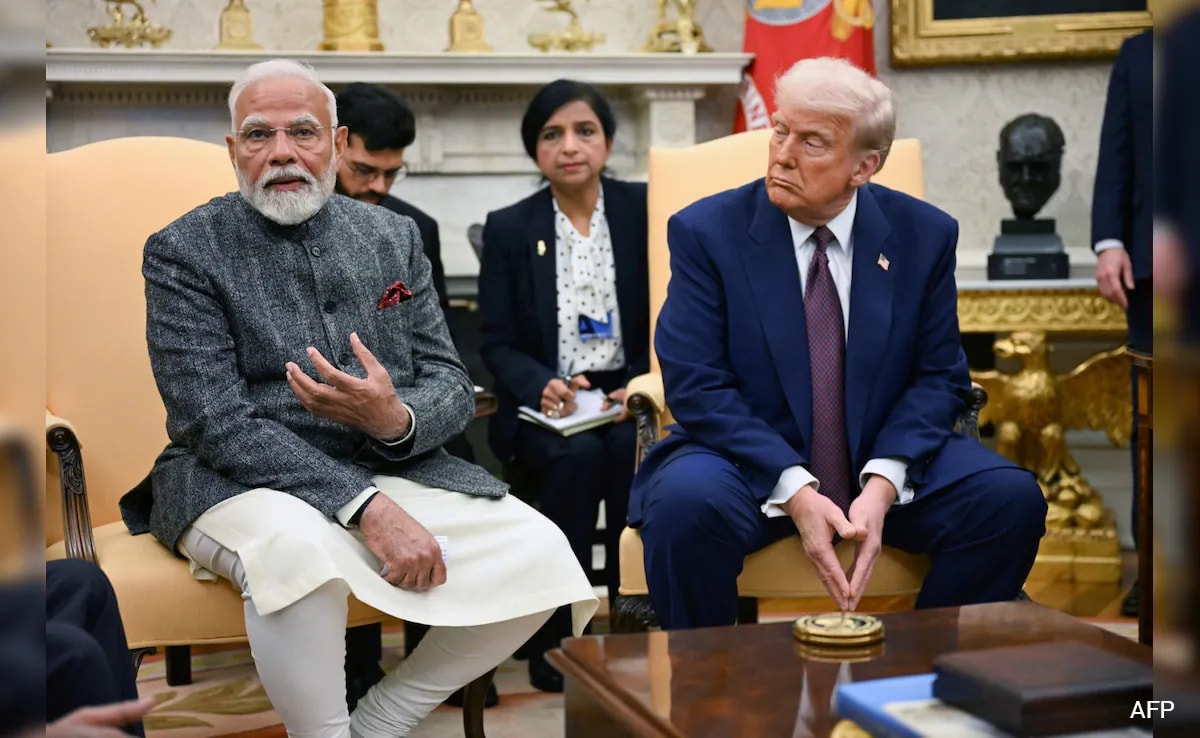
India Emerges as Critical Partner in Trump's New National Security Strategy: Deepening Economic and Defense Ties
Dec 06, 2025 02:05 am CST
The Trump Administration's new National Security Strategy positions India as a vital strategic partner, emphasizing enhanced cooperation across economic, technological, and defense sectors. The strategy highlights the Indo-Pacific region's economic significance and encourages India's active role in regional security through the Quadrilateral Security Dialogue with Australia, Japan, and the US, signaling a pragmatic approach to international partnerships based on shared interests rather than ideological alignment.

Modi-Putin Fortuner Ride: The Strategic Diplomatic Message Behind Their Viral Airport Journey
Dec 05, 2025 02:50 pm CST
Prime Minister Modi and President Putin's shared ride in a Toyota Fortuner during the Russian leader's state visit to India has captured global attention. This calculated diplomatic gesture projects India's independent foreign policy stance while showcasing the unique personal rapport between the two leaders amid complex international relations. The choice of a Japanese-designed, Indian-assembled vehicle over Western luxury options sends subtle yet powerful geopolitical signals as both nations prepare for substantive bilateral discussions.

Putin's Upcoming India Visit: Strengthening India-Russia Strategic Partnership Amid Global Tensions
Nov 28, 2025 03:56 pm CST
Russian President Vladimir Putin will visit India on December 4-5, 2025, for the 23rd India-Russia Annual Summit at PM Modi's invitation. The visit aims to strengthen the "Special and Privileged Strategic Partnership" between the nations amid evolving geopolitical dynamics, including US sanctions over India's Russian oil imports. The leaders will review bilateral progress and discuss regional and global matters of mutual interest.
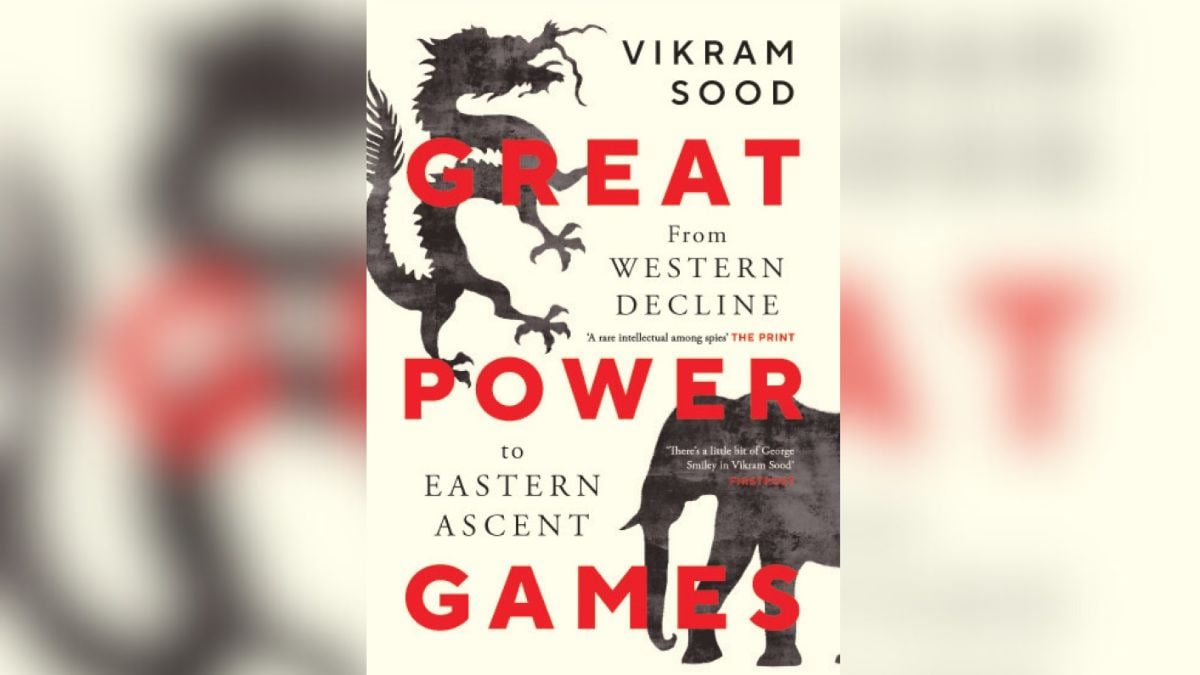
Former R&AW Chief Vikram Sood Analyzes Global Power Dynamics and India's Strategic Positioning in "Great Power Games"
Nov 06, 2025 10:26 pm CST
Former R&AW chief Vikram Sood offers critical insights into India's geopolitical challenges and opportunities in his book "Great Power Games." Analyzing relationships with major powers including China, the US, Pakistan, and Afghanistan, Sood identifies China as India's immediate threat while suggesting strategic approaches for maintaining regional influence. Drawing from his 31-year intelligence career, he provides pragmatic perspectives on nuclear deterrence, domestic unrest, and the necessity of pursuing national interests through strategic international relationships despite ideological differences.

Iran's Hostage Diplomacy: A Decades-Long Strategy to Extract Concessions from Western Nations
Nov 06, 2025 02:32 am CST
Since the 1979 Islamic Revolution, Iran has consistently employed what experts call "hostage diplomacy" - detaining Western citizens to leverage concessions from adversaries. This strategic pattern continues today, with numerous Europeans and Americans detained on dubious charges while Tehran negotiates for asset unfreezing, prisoner exchanges, or other diplomatic concessions. Despite recent releases, many foreign nationals remain in Iranian custody, prompting calls for coordinated international responses beyond the current "piecemeal" approach.