
Explainer: UN Secretary-General Selection Process and Current Candidates for 2027 Position
- Date & Time:
- |
- Views: 76
- |
- From: India News Bull
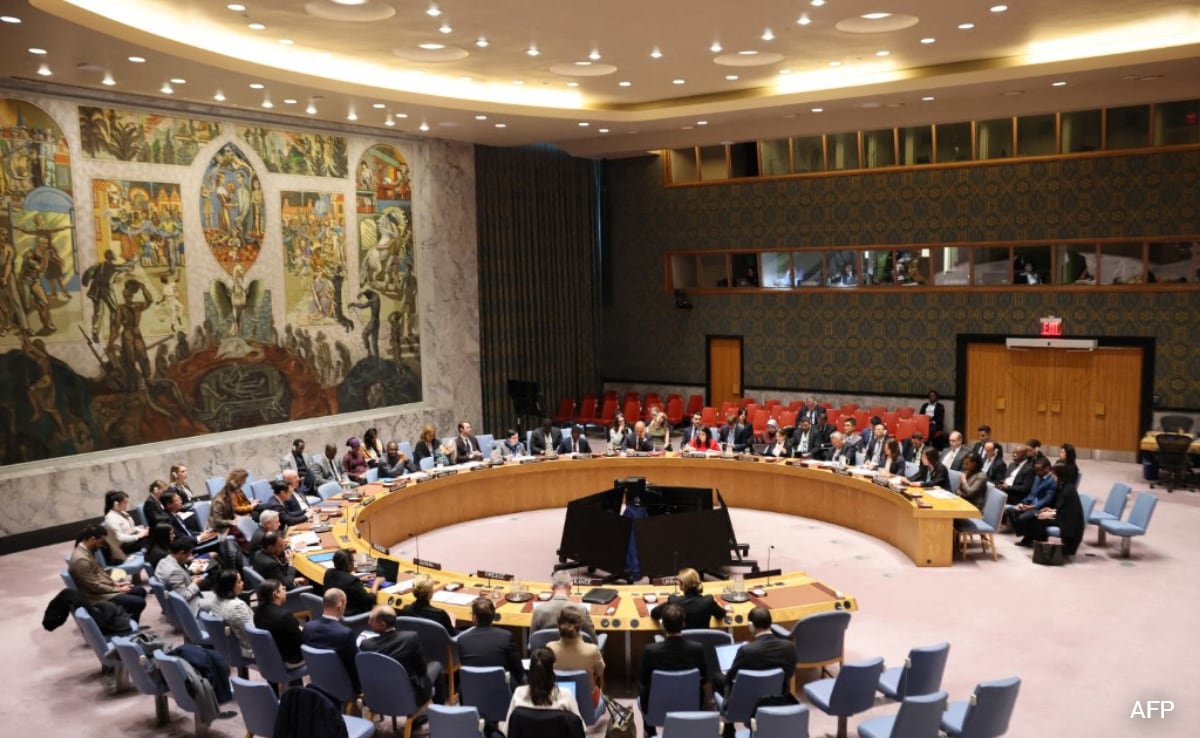
The United Nations has been enhancing transparency in its historically secretive selection process for the Secretary-General position.
A new United Nations Secretary-General will be elected next year to serve a five-year term beginning January 1, 2027.
Below are the current potential candidates and the selection process for Antonio Guterres' successor:
SELECTION PROCESS TIMELINE
The official selection process commenced when the 15-member Security Council and the president of the 193-member General Assembly distributed a joint letter requesting nominations on Tuesday.
Candidates must receive nomination from a UN member state.
While the position traditionally rotates among geographic regions, and Eastern Europe was expected to provide candidates when Portugal's Guterres was elected in 2016, Latin America is next in rotation. However, diplomatic sources anticipate candidates may emerge from various regions.
DECLARED CANDIDATES
Several candidates have publicly announced their intention to run:
MICHELLE BACHELET – CHILE: President Gabriel Boric announced on September 23 that Chile will nominate former President Michelle Bachelet. As Chile's first female president who served two terms, Bachelet also held positions as UN High Commissioner for Human Rights (2018-2022) and Executive Director of UN Women (2010-2013).
REBECA GRYNSPAN – COSTA RICA: Costa Rican President Rodrigo Chaves confirmed on October 8 that former Vice President Rebeca Grynspan will receive the country's nomination. The 69-year-old economist and politician currently serves as Secretary-General of the UN Conference on Trade and Development (UNCTAD).
RAFAEL GROSSI – ARGENTINA: Veteran Argentine diplomat Grossi confirmed to Reuters on September 3 his intention to campaign for the Secretary-General position. He currently serves as Director-General of the International Atomic Energy Agency, a role he has held since 2019.
SELECTION METHODOLOGY
The Security Council will formally recommend a candidate to the General Assembly for election as the 10th UN Secretary-General later next year.
The Security Council conducts secret ballots, known as straw polls, until consensus emerges on a candidate. During these polls, council members indicate whether they "encourage," "discourage," or have "no opinion" regarding each candidate.
Ultimately, all five permanent veto-wielding council members – the United States, Russia, Britain, China, and France – must agree on the candidate.
In the straw polls, ballots from the five permanent members traditionally use a different color than those of the ten elected members. When Guterres was selected in 2016, six straw polls were necessary before the Security Council reached agreement.
The Security Council then adopts a resolution, typically in closed session, recommending an appointment to the General Assembly. This resolution requires nine affirmative votes with no vetoes.
The General Assembly's approval has historically functioned as a formality.
TRANSPARENCY INITIATIVES
The United Nations has implemented measures to increase transparency in the traditionally opaque selection process.
In September 2025, the General Assembly adopted a resolution requiring candidates to submit vision statements upon formal nomination and present them publicly. These statements will appear on a dedicated United Nations website.
The Assembly also mandated that candidates disclose their funding sources. Candidates already holding UN positions "should consider suspending their work in the United Nations system during the campaign, with a view to avoiding any conflict of interest that may arise from their functions and adjacent advantages."
SECRETARY-GENERAL RESPONSIBILITIES
The UN Charter designates the Secretary-General as the organization's "chief administrative officer." The UN website describes the role as combining "equal parts diplomat and advocate, civil servant and chief executive officer."
Guterres currently oversees more than 30,000 civilian staff members and 11 peacekeeping operations involving approximately 60,000 troops and police personnel. The core annual UN budget stands at $3.7 billion, with an additional $5.6 billion allocated for peacekeeping.
Since the Security Council retains authority to authorize military action or sanctions, the UN chief possesses limited formal power beyond persuasive influence. Many diplomats observe that the five council veto powers typically prefer a "secretary" rather than a "general."
FEMALE REPRESENTATION
No woman has ever served as UN Secretary-General throughout the organization's 80-year history.
The General Assembly's September resolution noted "with regret that no woman has ever held the position of Secretary-General" and encouraged member states to "strongly consider nominating women as candidates."
Source: https://www.ndtv.com/world-news/explainer-how-will-next-un-chief-be-chosen-and-who-wants-the-job-9700729