
ISIS Expands in Mozambique Following US Aid Withdrawal: Humanitarian Crisis Deepens
- Date & Time:
- |
- Views: 43
- |
- From: India News Bull
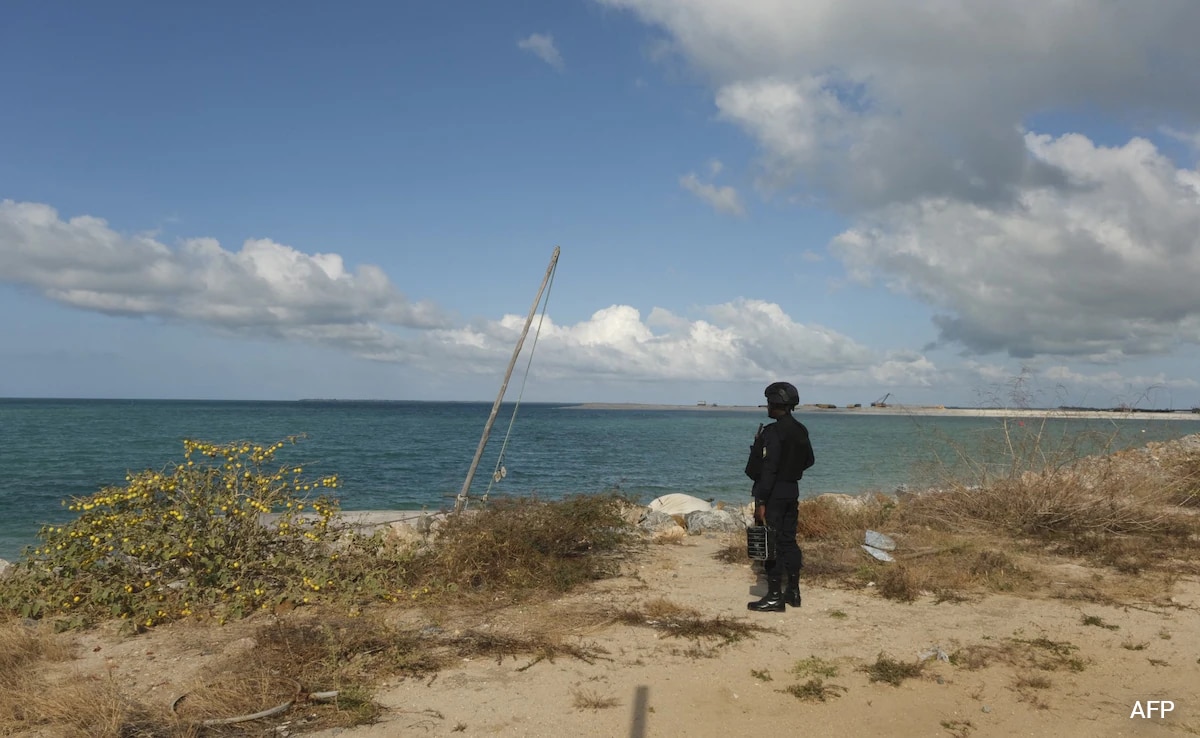
Representational Image
Militants entered a Mozambican mosque last month, requesting keys and calling residents through the prayer microphone. Only when they displayed an ISIS flag did locals understand who they were. With faces visible, one fighter delivered a local declaration showing growing ambition and autonomy. Residents recorded the event rather than escaping, according to CNN.
Mozambique's northern Cabo Delgado province has suffered through eight years of violence, territorial seizures, and population displacement. ISIS captured the port town of Mocimboa da Praia during 2020-2021 before Mozambican and Rwandan forces partially restored order. Western governments, including the United States, subsequently increased aid to stabilize the region.
However, the abrupt termination of USAID in January under President Donald Trump's executive order removed vital programs. Some assistance ceased completely; other initiatives were drastically reduced. These included programs designed to enhance government services, fight extremism, and create youth employment opportunities.
On September 7, ISIS attacked Mocimboa da Praia, beheading numerous primarily Christian men over several weeks and forcing thousands to evacuate.
Armed Conflict Location & Event Data (ACLED) statistics indicate ISIS violence has increased across Africa this year, with 79 percent of the group's global activity documented between January and October. By October, Mozambique represented 11 percent of worldwide ISIS-linked violence.
USAID had been fundamental to Mozambique, where poverty affects more than half the population and the average age is 17. In 2024, it provided $586 million, approximately 3 percent of GDP, for food, water, education, local governance and HIV/AIDS services. Internal documents reveal that more than $2.4 billion in ongoing or planned projects were disrupted when the agency was shut down.
In Mocimboa da Praia, USAID previously supported programs for motorcycle taxi drivers and fishermen, both prime targets for ISIS recruiters. Locally, the hospital dismissed up to 15 staff members and now lacks essential medicines.
A $70,000 program for fishermen also terminated. Many are young men within the demographic ISIS targets. A development worker's three children were abducted by ISIS six years ago, CNN reported.
Violence has escalated. In the Christian neighborhood of Filipe Nyusi, evacuated due to night raids, insurgents killed eight men. Survivors indicated where a security guard was beaten and beheaded.
Aid networks throughout the region have disintegrated. In Mueda, up to a dozen aid workers departed after USAID closed, leaving 93,000 displaced individuals with reduced services. The UN appeal for Cabo Delgado decreased from $352 million to $126 million due to funding shortages. By October, only $73.2 million had been received, with merely $3.5 million from the United States.
Extensive offshore gas fields near Palma remain inactive due to insecurity. Total Energies indicates it may soon lift its force majeure declaration, and Exxon Mobil is expected to decide next year about proceeding. Even as aid reductions deepened, the Trump administration supported the LNG sector. In March, the US Export-Import Bank approved a $4.7 billion loan to Mozambique's LNG company to employ American contractors.
Source: https://www.ndtv.com/world-news/after-us-cut-support-to-this-african-country-isis-threat-deepened-9689447