
Saudi Arabia's Emerging Role in Mediating US-Iran Nuclear Negotiations Amid Regional Tensions
- Date & Time:
- |
- Views: 68
- |
- From: India News Bull
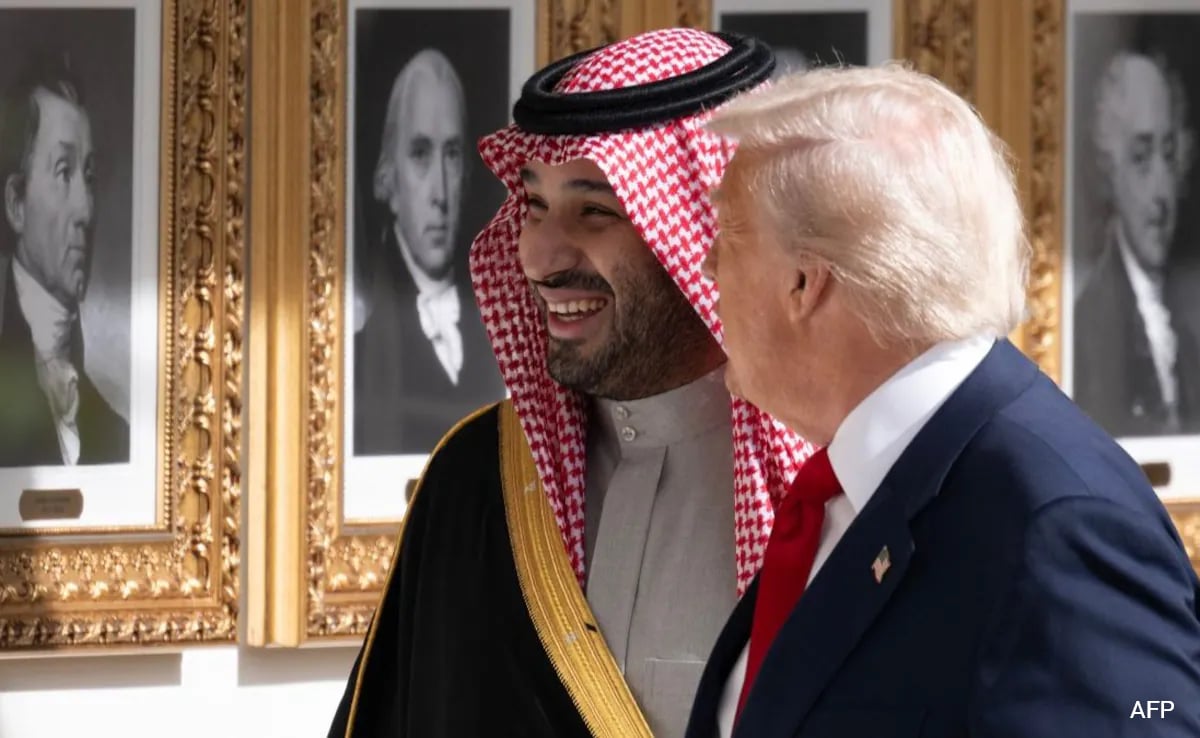
Saudi Crown Prince Mohammed bin Salman's visit to the White House earlier this week has taken on new significance amid regional developments.
Dubai:
Iran has reached out to Saudi Arabia seeking assistance in reviving stalled nuclear discussions with the United States, according to two regional sources familiar with the matter. This move highlights Tehran's growing concerns about potential Israeli airstrikes and its worsening economic situation.
Just prior to Crown Prince Mohammed bin Salman's White House visit this week, Iranian President Masoud Pezeshkian sent a diplomatic letter to the Saudi leader, as reported by both Iranian and Saudi media outlets on Monday.
The sources told Reuters that Pezeshkian's message emphasized Iran "does not seek confrontation," desires stronger regional cooperation, and remains "open to resolving the nuclear dispute through diplomacy, provided its rights are guaranteed."
When questioned about the communication, Iranian Foreign Ministry spokesperson Esmaeil Baghaei stated on Wednesday that Pezeshkian's message was "purely bilateral." Saudi government representatives did not immediately respond to requests for comment.
Before the brief 12-day conflict in June triggered by Israeli airstrikes, during which American forces targeted three Iranian nuclear facilities, Iran and the US had engaged in five rounds of discussions regarding Tehran's contested uranium enrichment activities.
Since that conflict, negotiations have stalled, though both parties maintain they remain open to reaching an agreement.
A Gulf-based source revealed that Iran is actively seeking channels to restart discussions with Washington. The source added that the Saudi crown prince also favors a diplomatic resolution and conveyed this position to US President Donald Trump during their recent meeting.
"MbS (crown prince) also wants this conflict to be over peacefully. This is important to him, and he relayed this to Trump and said he is ready to help," explained the Arab Gulf source.
The Saudi ruler told reporters on Tuesday: "We will do our best to help reach a deal between the United States and Iran."
Riyadh and Tehran have historically been strategic competitors in the Middle East, often supporting opposing factions in regional proxy conflicts, until a China-mediated reconciliation in 2023 eased tensions and restored diplomatic relations.
Saudi Arabia's expanding political influence has positioned it as an increasingly important player in regional diplomacy. Its strong security partnership with Washington—particularly the leadership's close relationship with Trump—provides Riyadh with diplomatic leverage few other Middle Eastern nations possess.
Meanwhile, Iran's regional standing has deteriorated over the past two years due to devastating military setbacks inflicted by Israel on its allies Hamas in Gaza and Hezbollah in Lebanon, as well as the declining position of its close ally, Syrian leader Bashar al-Assad.
"Shifting mediation channels from countries such as Oman and Qatar to Saudi Arabia - a country with structural power, direct influence in the US and a practical resolve to reduce tensions - is the best strategic decision under current circumstances," noted Hamid Aboutalebi, a former senior Iranian diplomat.
"These characteristics make Saudi Arabia an effective mediator and a genuine channel for conveying messages, a position that neither Oman nor Qatar nor the Europeans possess," Aboutalebi stated on social media platform X.
IRAN, US Say They Back Diplomacy, But Demands Clash
The importance of reviving nuclear diplomacy cannot be overstated.
The conditions established by Tehran's clerical leadership and the Trump administration remain fundamentally at odds, and failure to bridge these differences risks igniting another regional conflict.
Gulf states, concerned about being drawn into a wider confrontation if Israel strikes Iran again, have previously served as intermediaries—particularly Qatar and Oman.
Iran accuses Washington of "betraying diplomacy" by joining Israel in the June conflict, and insists any agreement must remove US sanctions that have severely damaged its oil-dependent economy. Washington, meanwhile, demands that Tehran halt uranium enrichment within its borders, limit its ballistic missile program, and cease supporting regional militia proxies—terms Iran has consistently rejected.
Trump and Israeli Prime Minister Benjamin Netanyahu have warned they will not hesitate to strike Iran again if it resumes enrichment activities, which could potentially lead to developing nuclear weapons.
Western powers and Israel accuse Tehran of using its declared civilian nuclear program to conceal development of materials for nuclear weapons. Iran maintains it seeks only peaceful atomic energy and promises a "crushing response" to any further Israeli aggression.
Economic Isolation, Public Anger Push Rulers To Shift Course
Iranian Supreme Leader Ayatollah Ali Khamenei, a hardliner who holds final authority on foreign policy and the nuclear program, has ruled out negotiations under threat.
"They want to impose their demands and advance their goals through military and economic pressure. This approach is unacceptable, and Iranians will not submit to it," he stated.
However, this uncompromising stance does little to address the struggles of ordinary Iranians facing difficult daily realities.
The economy is suffering under a collapsing currency, soaring inflation, and persistent shortages of domestic energy and water—primarily resulting from years of mismanagement and sanctions.
Constrained by growing public discontent and the threat of additional Israeli attacks if nuclear diplomacy fails, Iran's clerical leadership is urgently seeking a breakthrough with Washington to ease its severe economic isolation, according to two senior Iranian officials who spoke to Reuters on condition of anonymity.
Kamal Kharrazi, a senior adviser to Khamenei, appealed to Trump last week to pursue "genuine talks with Iran grounded in mutual respect and equality," according to Iranian state media.
Source: https://www.ndtv.com/world-news/iran-seeks-saudi-help-to-revive-nuclear-talk-with-us-9671923