
Understanding Trump's F-35 Deal with Saudi Arabia: Process, Challenges, and Regional Implications
- Date & Time:
- |
- Views: 71
- |
- From: India News Bull
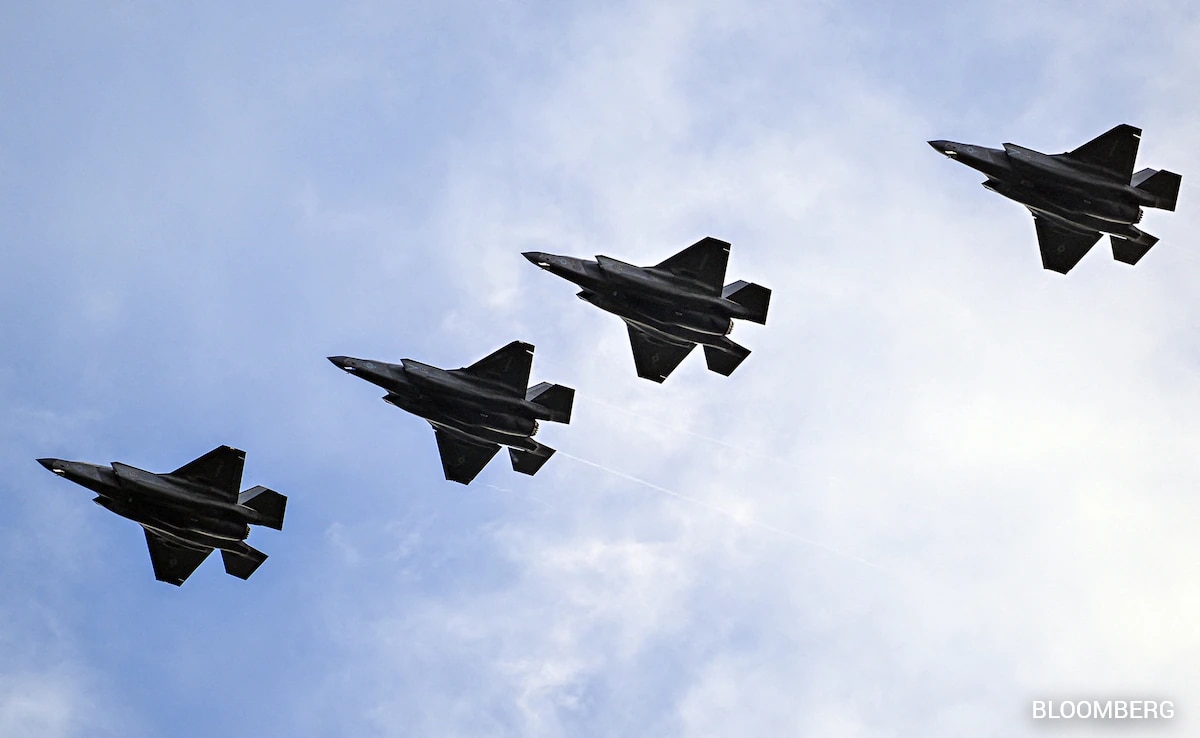
President Trump's approval for F-35 jets to Saudi Arabia represents just one initial step in a complex procurement process.
During a recent exchange, President Donald Trump suggested that approving billions in advanced weaponry for Saudi Arabia would require merely 24 hours, directing his comment to Elon Musk who was present at the US-Saudi Investment Forum in Washington.
While Saudi Crown Prince Mohammed bin Salman conducted his high-profile visit to Washington, Trump highlighted that the kingdom plans to purchase approximately $142 billion in US military equipment and services. The authorization to sell Saudi Arabia the coveted F-35 fighter jets emerged as the most significant agreement from their Oval Office meeting on Tuesday.
The White House released a fact sheet mentioning "nearly 300 American tanks" and "future F-35 deliveries" from Lockheed Martin Corp., emphasizing benefits to America's defense industry and workforce. When questioned about potential Abrams tank sales, General Dynamics Land Systems directed inquiries to the US government.
Despite Trump's characterization of the foreign military sales process as a mere formality, the procedure is extensive. It involves numerous steps and entities, typically requiring years before weapons are actually delivered.
The process begins when a foreign government submits a formal letter requesting US weapons purchases. This request circulates informally among the Senate Foreign Relations Committee, House Foreign Affairs Committee, State Department, and Pentagon. Only after this preliminary review and State Department certification does the Defense Security Cooperation Agency formally notify Congress about the proposed sale.
While Congress doesn't explicitly approve arms sales, legislators can block transactions during the review period. Following Trump's meeting with MBS (as the Saudi royal is known), Democratic Senator Jeanne Shaheen expressed significant concerns about protecting US military technology and America's military advantage shared with allies.
After congressional review, the US government presents a letter of offer and acceptance to the purchasing country, followed by negotiations with relevant defense contractors.
An additional complication for F-35 sales in the Middle East involves the legal requirement for the US to maintain Israel's "qualitative military edge" over regional neighbors. Historically, this has been addressed by giving Israel priority access to new defense technologies and more advanced versions of weapons platforms. When questioned about potential Israeli objections, Trump dismissed concerns, stating both countries are valued allies and that Saudi Arabia's jets would be "pretty similar" to Israel's.
Although Trump authorized F-35 sales to the United Arab Emirates over five years ago during his first term, the UAE has yet to receive any of these aircraft. The Emiratis suspended their procurement efforts amid disagreements with the Biden administration, which sought restrictions on the jets' use.
In October 2020, the Congressional Research Service identified several challenges with the UAE's request, including potential degradation of Israel's military advantage, risks of technology transfer to China or Russia, and the possibility of the aircraft being deployed in regional conflicts contrary to US national security interests.
According to Gregory Gause III, a visiting scholar at the Middle East Institute, the Trump administration appears "not as concerned about qualitative military edge for Israel as previous administrations might have been, not because they're particularly anti-Israel, but because they're very big on selling stuff and they see that as a major element of what American foreign policy should be."
Source: https://www.ndtv.com/world-news/trumps-green-light-of-f-35s-for-saudi-arabia-is-only-the-beginning-9668865