
First Human Case of H5N5 Bird Flu: Understanding the Risk, Symptoms, and Prevention Measures
- Date & Time:
- |
- Views: 66
- |
- From: India News Bull
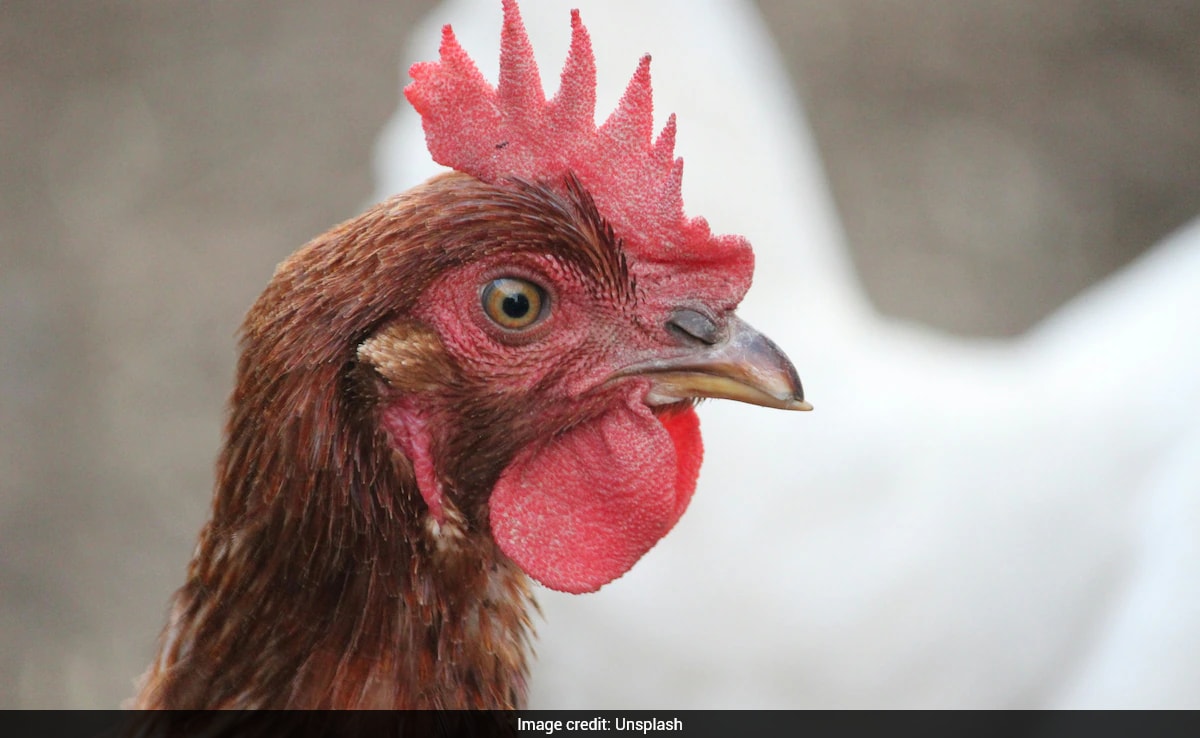
Health authorities in the United States have documented a human case of avian influenza with the uncommon H5N5 strain, previously only identified in animals. The patient, an elderly individual with preexisting health conditions from Grays Harbor County, Washington, was hospitalized in early November with severe illness.
The Washington State Department of Health and the Centers for Disease Control and Prevention (CDC) currently assess the public health risk from avian influenza as low, though comprehensive analysis continues.
Regarding the infection source, the patient reportedly maintained a backyard poultry flock that had interaction with wild birds, which investigators consider the most probable exposure route, though inquiries are ongoing.
Dr. Anirban Chattopadhyay, Consultant in Critical Care Medicine at CMRI Kolkata, explained to NDTV, "H5N5 infections in humans are extraordinarily rare compared to the more familiar H5N1 strain. This particular strain is characterized by genetic flexibility and mutation capability, prompting vigilant monitoring from global health organizations."
Currently, there is no evidence suggesting human-to-human transmission of H5N5. Infections typically occur in individuals with direct exposure to infected birds.
Dr. Niranjan Singh, Senior Consultant in Internal Medicine at CK Birla Hospitals, Jaipur, told NDTV the virus warrants concern but not alarm at this stage. "Public health agencies classify this as a zoonotic risk—transmission from animals to humans—rather than a pandemic-level human pathogen," he stated.
Dr. Chattopadhyay cautioned that "people with comorbidities or compromised immunity should exercise particular vigilance, especially in areas experiencing active avian outbreaks. International travel increases exposure pathways, so maintaining alertness without excessive alarm is advisable."
He further noted, "H5N5 currently lacks pandemic potential because it doesn't transmit between humans. However, avian influenza viruses are inherently unpredictable and may mutate or reassort over time."
Many health agencies emphasize that while H5 avian influenza viruses remain under surveillance, they haven't yet developed efficient human-to-human transmission capabilities.
Dr. Singh highlighted that avian influenza viruses are known to mutate, with H5 subtypes receiving intensified surveillance due to their "pandemic potential." He added, "Individuals with greater exposure—such as poultry workers, those with backyard birds, or people contacting infected animals—face elevated risk."
The hospitalized patient in the US developed high fever, confusion, and respiratory difficulties.
Dr. Singh explained, "As this represents a very recent human case, comprehensive, fully confirmed symptom profiles for H5N5 in humans remain limited. However, being an avian influenza A virus, symptoms might resemble other bird flu infections, including fever and respiratory distress, though the exact severity remains under investigation." He added that previous avian influenza infections, such as H5N1, have produced severe illness including pneumonia in humans.
Regarding preventive measures, most individuals need only practice standard flu hygiene: handwashing and avoiding contact with sick birds. "People who handle birds, whether in commercial poultry operations or backyard flocks, should implement biosecurity measures, particularly if avian influenza is reported locally," Dr. Singh advised.
Source: https://www.ndtv.com/world-news/could-h5n5-strain-of-bird-flu-be-the-next-pandemic-experts-answer-9662367