
Former Bangladesh PM Sheikh Hasina Sentenced to Death by Tribunal She Created: Justice or Political Retribution?
- Date & Time:
- |
- Views: 66
- |
- From: India News Bull
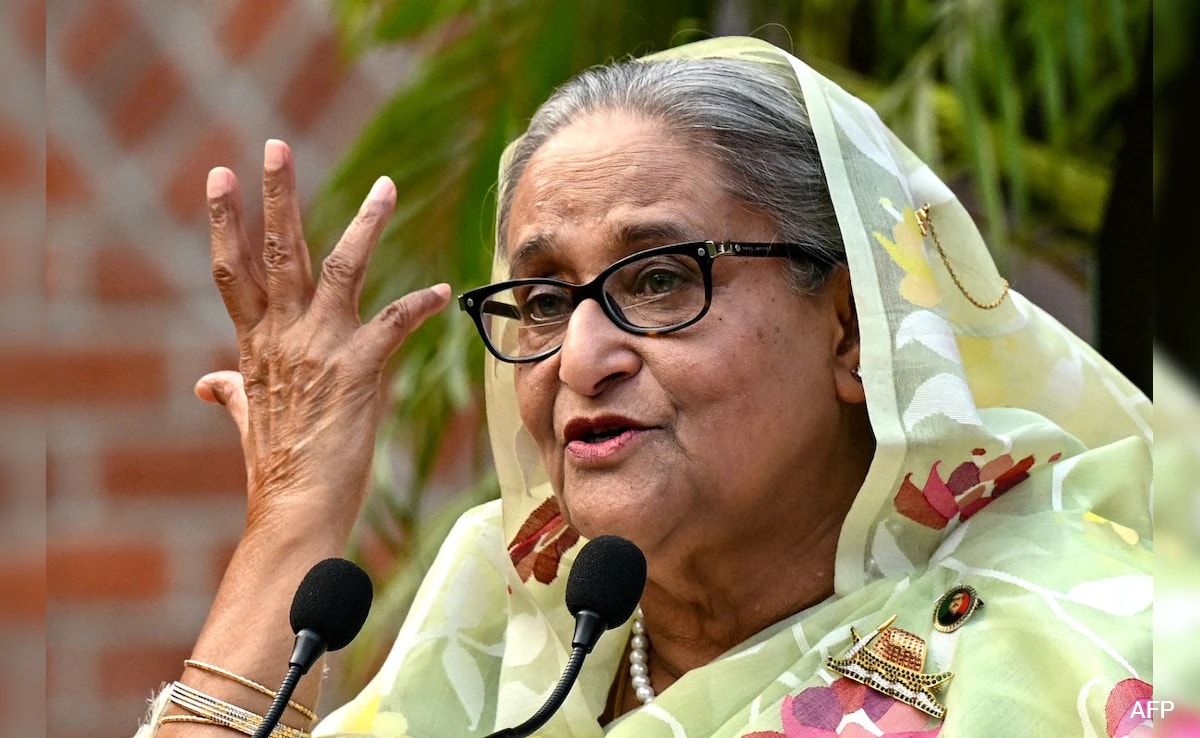
Former Bangladesh Prime Minister Sheikh Hasina has received a death sentence from the International Crimes Tribunal, a court she herself established in 2010 to prosecute war crimes from Bangladesh's 1971 liberation struggle. The tribunal found her guilty of "crimes against humanity" connected to the violent suppression of student-led protests against her government last year.
The court determined that Hasina bore responsibility for ordering and facilitating a severe crackdown as her Awami League administration fought to maintain power. According to United Nations estimates, approximately 1,400 people lost their lives due to state actions during this period.
Currently residing in India, Hasina was tried in absentia. Bangladesh's government has been consistently seeking her extradition for months, a demand likely to grow more urgent following this verdict.
The International Crimes Tribunal is a domestic Bangladeshi court that Hasina created while serving as Prime Minister. Its original purpose was to prosecute serious crimes committed during the 1971 independence movement, including genocide, rape, murder, and arson.
Hasina reactivated a previously dormant 1973 war-crimes legislation to address longstanding calls for justice regarding the Liberation War, during which an estimated 3 million people perished.
Under Hasina's leadership, the tribunal primarily focused on prosecuting members of Jamaat-e-Islami, leaders of the Bangladesh Nationalist Party (BNP), and others alleged to have collaborated with Pakistani military forces.
The ICT operated without United Nations backing, and its proceedings frequently faced criticism for failing to meet international standards for fair trials. Several of its cases resulted in death sentences.
Following the collapse of Hasina's Awami League government, Mohammad Yunus's interim administration maintained the death penalty while introducing important legal amendments to the ICT law in November 2024. These changes included extra-territorial jurisdiction for crimes committed by Bangladeshi citizens abroad, broader definitions of crimes against humanity aligned with the Rome Statute, and enhanced rights for the accused.
The reforms also implemented rules for digital evidence admissibility, victim participation mechanisms, witness protection provisions, and allowances for foreign legal representation and virtual testimony.
Amendments in 2025 further expanded the tribunal's authority, enabling it to prosecute political organizations and dismantle them entirely.
In Hasina's conviction, while the tribunal did not move to disband the Awami League, it recommended that the government confiscate properties belonging to Hasina and former minister Asaduzzaman Khan to provide compensation for victims.
Hasina currently faces three additional cases before the tribunal: two related to enforced disappearances during her administration and one concerning mass killings in 2013.
Source: https://www.ndtv.com/world-news/tribunal-sheikh-hasina-formed-to-try-war-criminals-convicts-her-of-crime-against-humanity-9655012