
First Human H5N5 Bird Flu Case Detected in Washington State: Public Health Officials Monitor Virus with Pandemic Potential
- Date & Time:
- |
- Views: 52
- |
- From: India News Bull
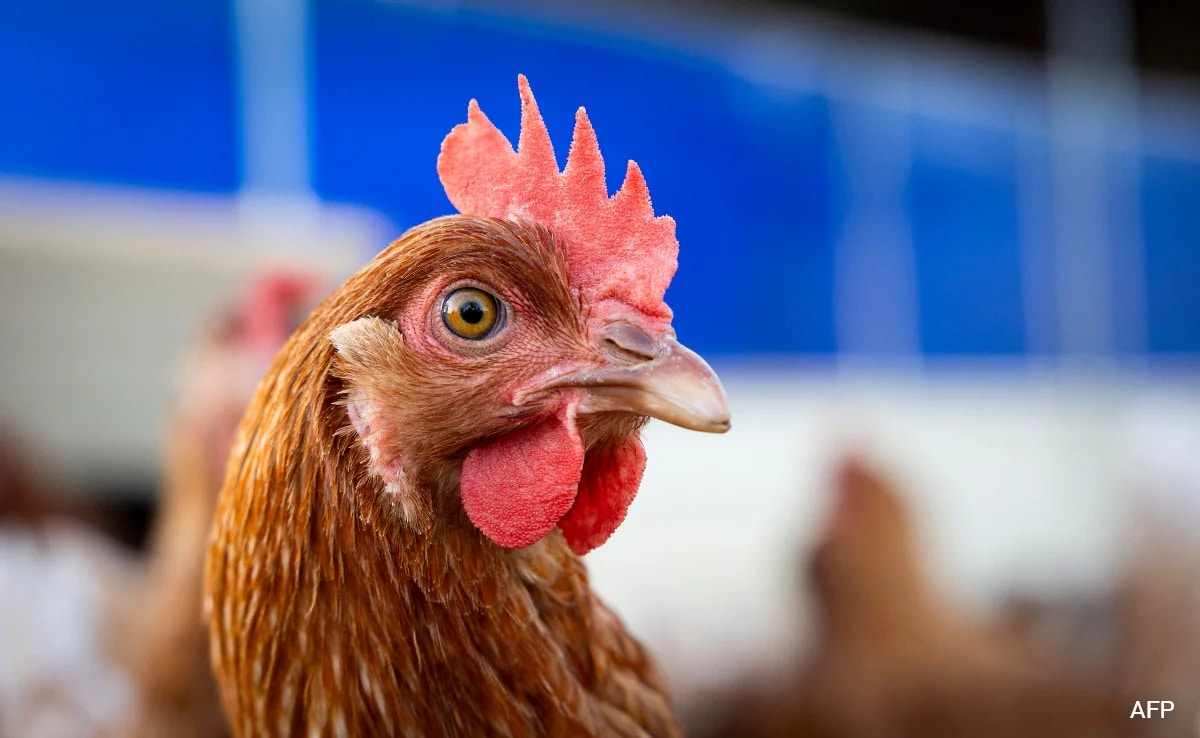
A resident of Washington state has been hospitalized with an H5N5 bird flu infection, according to state health officials. This strain has not previously been detected in humans, making this case significant despite federal authorities still assessing the overall public risk as low, CNN reports.
This marks the first human avian influenza infection in the United States in nine months, though the US Centers for Disease Control and Prevention maintains that the risk to the general population remains minimal.
Health authorities describe the patient as an elderly individual from Grays Harbor County with pre-existing health conditions who has been hospitalized since early this month.
Investigators haven't determined the exact transmission source, though preliminary evidence points to backyard poultry as a possible origin. Both health and agricultural agencies are continuing their investigation into the circumstances.
Avian influenza can spread through infected animals' saliva, mucus, feces, and in dairy cattle, milk. Transmission risk typically increases during late fall and winter when migratory birds interact with domestic flocks.
While avian influenza has historically circulated among wild birds globally, the current US outbreak, which began in January 2022, has involved more mammalian infections than previous occurrences.
No human-to-human transmission has been documented in the United States, but Washington state officials are monitoring individuals who may have had close contact with the patient to check for symptoms and provide testing or preventive treatment if necessary.
Despite the currently low overall risk, influenza researchers caution that the virus remains concerning. Dr. Richard Webby emphasized the uncertainty around the virus's evolution, noting it has "pandemic potential".
He stated, "I think it's clear it's not an easy leap for this virus to make, to switch from being a duck virus to being a human virus. I think that's pretty clear, but I certainly wouldn't put money on the fact that it can't make that leap. It's going to take a little bit of the biologic stars aligning for that to happen. We could argue exactly how likely that is, but no one actually knows. Only time will tell us, unfortunately."
According to the CDC, 70 human cases have been identified in the US during the current outbreak. One elderly patient with pre-existing medical conditions died in January.
Most cases have presented with mild symptoms such as red eyes or fever, although some individuals have experienced more severe illness. The majority of infected people have had direct and frequent animal exposure. Of the documented cases, 41 occurred among cattle workers, 24 among poultry workers, two involved other forms of animal contact, and three had no identifiable source.
The CDC recommends that people who regularly handle animals wear appropriate protective equipment and exercise caution around animal waste.
Washington's Department of Health advises residents cleaning bird feeders or areas with bird droppings to wear gloves and disinfect surfaces with commercial products like Lysol or a homemade solution of one part bleach to ten parts water.
People are advised to avoid approaching sick or dead wildlife and to use gloves, a well-fitting mask, and an inverted plastic bag when disposing of dead birds. Double-bagging the carcass and placing it in a sealed trash container prevents scavenger access, and thorough handwashing afterward is essential.
Officials also warn against consuming undercooked or unpasteurized dairy and meat products, including raw milk and cheese.
Public health authorities additionally recommend getting the seasonal influenza vaccine. While standard flu shots don't protect against avian influenza, they reduce the already minimal chance of simultaneous infection with both viruses, which could potentially enable the avian influenza virus to mutate into a form that spreads more easily among humans.
Source: https://www.ndtv.com/world-news/us-patient-sick-with-bird-flu-virus-that-has-pandemic-potential-report-9642997