
Russia's Massive Production of 120,000 Glide Bombs in 2025: Expanding Range and Threat to Ukraine
- Date & Time:
- |
- Views: 81
- |
- From: India News Bull
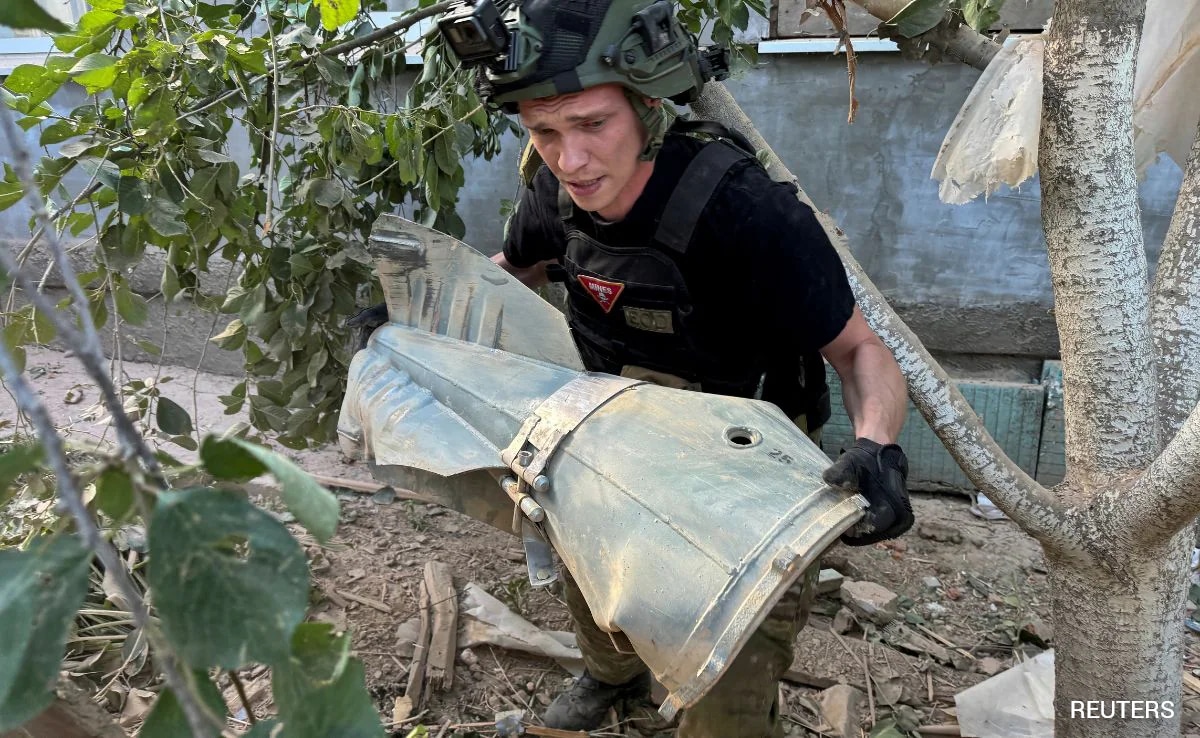
The glide bombs have devastated frontline cities including Kharkiv and Kherson, causing widespread destruction. (File)
Kyiv:
According to a senior Ukrainian intelligence official, Russia intends to manufacture approximately 120,000 of its inexpensive yet destructive glide bombs this year. This includes 500 units of a new long-range version capable of reaching more Ukrainian population centers.
Since launching its full-scale invasion of Ukraine in 2022, Russia has dramatically increased its arms production capacity, with defense facilities operating continuously. The exact figures regarding military output remain classified and undisclosed by Russian authorities.
Reuters could not independently verify the 2025 production target revealed by Major General Vadym Skibitskyi, deputy head of Ukraine's Defense Intelligence, during an interview.
While Skibitskyi did not disclose his sources or provide comparative historical data, the figures suggest a massive expansion in the production of glide bombs, which utilize wings and sometimes engines to travel dozens of kilometers to their targets.
The projected 120,000 units include both newly manufactured munitions and existing bombs upgraded with glide capabilities.
Skibitskyi reported that Russian forces currently deploy between 200 and 250 glide bombs daily. Last month, the daily average was approximately 170, according to defense ministry data.
"These bombs can be intercepted, but the quantity being produced in the Russian Federation is enormous," Skibitskyi stated. "This represents a significant threat that demands an appropriate response from our side."
Russia Is Enhancing Glide Bomb Range
These bombs, previously estimated to have a maximum range of about 90 km (56 miles), allow Russia to breach Ukrainian defenses without risking aircraft by crossing front lines where they would likely be shot down.
They are considerably less expensive and more abundant than missiles, yet their several hundred kilograms of explosive can demolish buildings and fortifications. Frontline cities like Kharkiv and Kherson have suffered extensive damage from these weapons.
According to Skibitskyi, Russia is commencing mass production of a new glide bomb capable of traveling up to 200 km (125 miles) from its release point from a fighter jet, with plans to produce approximately 500 units by year's end.
Ukrainian intelligence also believes Russia is developing modifications to extend the range of such bombs to 400 km, which would enable Moscow to target even more Ukrainian towns and cities without deploying missiles.
Recent glide bomb attacks on the Mykolaiv, Poltava, and Odesa regions—located dozens of kilometers from the nearest front lines—demonstrate the expanding reach of these weapons.
The Russian defense ministry did not immediately respond to requests for comment. While Russia denies targeting civilians, thousands have been killed and injured during the invasion. Moscow maintains that Kyiv's Western alliances pose a security threat to Russia that must be addressed.
Intensified Attacks Aimed at Forcing Kyiv's Concessions in Negotiations
Skibitskyi also provided estimates for Russian drone production, which he said has enabled more effective targeting of Ukraine's energy infrastructure.
For 2025, Russia is projected to manufacture approximately 70,000 long-range drones, including 30,000 Shahed craft that serve as the primary vehicles for Russian attacks.
"They began with 30 drones monthly; now 30 can be deployed against a single target," he noted, expecting that attacks on gas and energy infrastructure will persist throughout the winter.
"Their goal is clearly to break our resistance. These attacks destabilize our internal situation," he explained, describing it as a tactic to pressure Ukraine into a more compliant position during potential peace negotiations.
He further stated that if Russian forces capture the besieged city of Pokrovsk, where street fighting is currently ongoing, they would likely advance toward the boundaries of Donetsk region, which has been their long-established objective.
"That's their next direction of movement—it's evident."
North Korea Developing Its Own Drones
The delivery of millions of artillery shells from North Korea helped Russia maintain battlefield firing rates in 2024, but Skibitskyi reported that the quantity has decreased by more than half this year as Pyongyang's stockpiles diminish.
He cited a total supply of 6.5 million artillery shells delivered to Russia from North Korea since 2023, as Pyongyang seized the opportunity to forge closer ties with the Kremlin following Russia's invasion of Ukraine.
According to Skibitskyi, no shell deliveries from North Korea were recorded in September, though some resumed in October. He noted that approximately half the shells provided by Pyongyang are so outdated that they require refurbishment at Russian facilities.
Skibitskyi added that North Korea has initiated mass production of small, short-range First Person View (FPV) drones, as well as larger medium-range battlefield attack drones on its own territory, though he did not specify production volumes.
"They are studying and learning from their experience in this conflict to expand production capabilities within their own borders," he explained.
Thousands of North Korean troops fought alongside Russian forces in Russia's Kursk region last year following a Ukrainian incursion intended to relieve pressure on Ukrainian forces elsewhere and gain leverage in peace negotiations.
North Korea has acknowledged its involvement in Ukraine, arguing that its participation contributes to global peace in opposition to Western aggression, but has not provided specific details or responded to requests for comment regarding its involvement.
Source: https://www.ndtv.com/world-news/russia-ukraine-war-russia-plans-to-make-120-000-cheap-and-devastating-glide-bombs-ukraine-9637375