
Iraq Prime Minister Sudani Claims Election Victory as Preliminary Results Show Commanding Lead
- Date & Time:
- |
- Views: 78
- |
- From: India News Bull
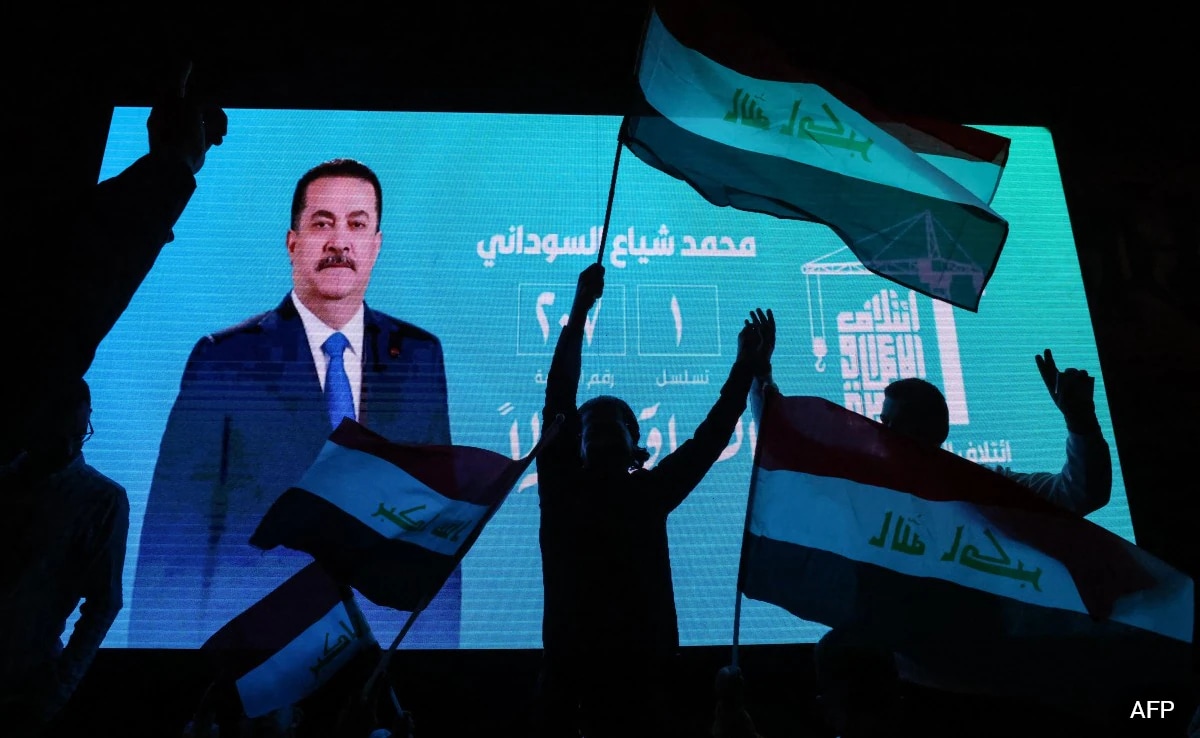
Prime Minister Mohammed Shia al-Sudani has declared victory for his coalition in Iraq's general election following preliminary results indicating a substantial lead.
The incumbent leader announced his triumph on Wednesday as supporters gathered in Baghdad's Tahrir Square, celebrating with fireworks and music according to AFP correspondents.
In a televised address, Sudani framed the victory as one for all Iraqi citizens, stating, "I congratulate you on your coalition winning first place in the parliamentary elections."
On social media platform X, Sudani proclaimed, "Our coalition, 'Reconstruction and Development', is first," while expressing "profound gratitude to the Iraqi people for their support."
The election took place Tuesday during a rare period of stability in a region otherwise troubled by conflicts. Iraq's electoral commission revealed preliminary results Wednesday evening showing Sudani's candidate list leading with over 1.3 million votes, approximately 217,500 more than the nearest competitor.
According to the commission, more than 12 million citizens participated in the election out of 21 million eligible voters, despite influential Shiite cleric Moqtada Sadr urging his followers to boycott.
The incoming premier faces significant challenges, including addressing unemployment, deteriorating infrastructure, and improving education and healthcare systems in a nation plagued by corruption. Additionally, the leader must navigate the delicate balance between Iraq's allies—the United States and Iran—whose rivalry has intensified amid recent regional developments.
An official close to Sudani had earlier indicated to AFP that his list was heading toward "a major victory," with two sources estimating his alliance would secure approximately 50 seats in the 329-member parliament.
Once final results are confirmed, lawmakers will begin negotiations to nominate the prime minister, a process that historically has taken months. Since no single list typically achieves an outright majority, the premiership is determined by whichever coalition can form the largest post-election alliance.
In Iraq's political system, the prime ministership is allocated to the Shiite majority, the parliamentary speaker position to a Sunni Muslim, and the ceremonial presidency to a Kurd.
Sudani emerged as a significant political figure after being brought to power three years ago by the Coordination Framework, an alliance of pro-Iran Shiite parties. However, reports suggest this alliance is divided over supporting Sudani for a second term, with former premier Nuri al-Maliki potentially opposing his reappointment.
Despite Iraq's efforts to move beyond two decades of conflict following Saddam Hussein's overthrow, the nation of 46 million continues to struggle with inadequate infrastructure, poor public services, mismanagement, and corruption. Many citizens who abstained from voting told AFP they believe elections wouldn't bring meaningful change to their lives and only benefit political elites and regional powers.
Nonetheless, Sudani has pledged to continue his agenda of "reconstruction and development." During his three-year tenure, Baghdad has transformed into an active construction hub with new tunnels and bridges appearing throughout the city. He also claims his government has successfully insulated Iraq from regional instability over the past two years.
Iran has maintained significant influence in Iraqi politics since the US-led invasion, supporting both politicians and armed groups. Recent years have seen Tehran-backed organizations across the region suffer losses from Israeli operations, with Iran itself experiencing unprecedented Israeli bombardment during a 12-day conflict in June.
While Tehran seeks to maintain its regional foothold and keep Iraqi markets open to its struggling economy, Washington continues pressuring Baghdad to disarm Iran-backed groups in an effort to diminish Iranian influence.
Source: https://www.ndtv.com/world-news/iraq-pm-sudani-claims-election-win-after-early-results-show-decisive-lead-9625421