
Failed Afghanistan-Pakistan Peace Talks Escalate Tensions as Taliban Warns of Potential Conflict
- Date & Time:
- |
- Views: 53
- |
- From: India News Bull
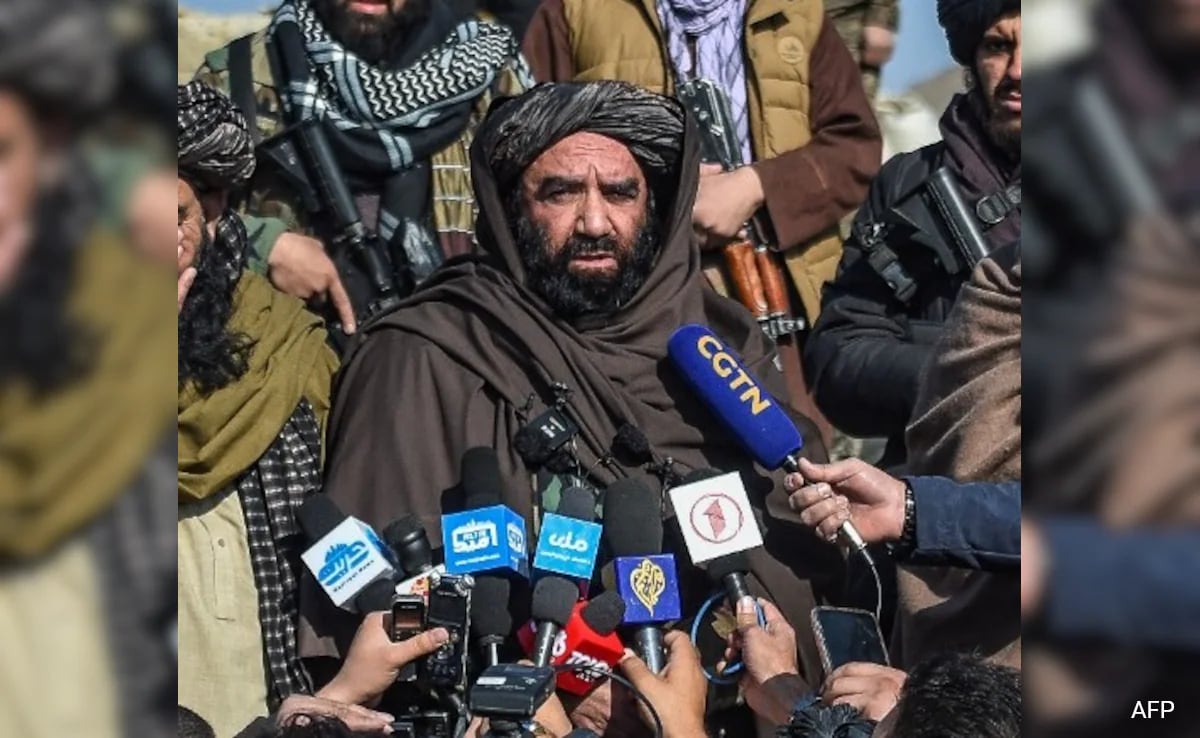
Noorullah Noori, issued a warning to Pakistani officials "not to test the patience of Afghans" (File Pic)
The Afghanistan-Pakistan peace negotiations in Istanbul have concluded without resolution, revealing Islamabad's apparent insincerity and attempts to deflect responsibility onto Kabul. The Islamic Emirate of Afghanistan has released a forceful statement accusing Pakistan of hindering progress despite mediation efforts from Turkey and Qatar.
In an official clarification issued by Zabihullah Mujahid on November 8, the Taliban government expressed appreciation to "the Republic of Turkey and the State of Qatar – the two brotherly countries – for hosting and mediating the talks." They noted that Afghan representatives participated "in good faith and with appropriate authority" during the November 6-7 discussions, expecting Pakistan would approach matters "seriously and constructively."
However, the statement disclosed that Pakistan again demonstrated an "irresponsible and non-cooperative attitude," attempting to "refer all responsibilities regarding its security to the Afghan government" while showing "no willingness to assume responsibility for either Afghanistan's security or its own." Despite entering negotiations with instructions to find "a fundamental solution," the Afghan delegation encountered Pakistani behavior that rendered the discussions unsuccessful.
The Taliban denounced Islamabad's stance, reaffirming its "principled position" that Afghanistan will neither allow its territory to be used against another country nor permit foreign interference with its sovereignty and independence. The statement emphasized that protecting Afghanistan's citizens and territory remains "the Islamic and national duty" of the Emirate, promising to "firmly defend against any aggression with the help of Allah and the support of its people."
While maintaining fraternal connections with the "Muslim people of Pakistan," the Taliban clarified it would only cooperate "within the limits of its responsibilities and capabilities." The statement indicated profound disappointment with Pakistan's persistent externalization of internal security challenges and reluctance to genuinely commit to regional stability.
Heightening tensions further, Pakistan's Defence Minister Khawaja Asif confirmed the third round of talks had "reached an uncertain stage with no results" and acknowledged there were "no plans yet for a fourth round." Concurrently, Afghanistan's Minister for Tribes, Borders, and Tribal Affairs, Noorullah Noori, delivered a stern warning to Pakistani officials "not to test the patience of Afghans." He cautioned Asif "not to be overly confident in his country's technology," declaring that should conflict erupt, "both the elders and youth of Afghanistan will rise to fight."
Zabihullah Mujahid, spokesperson for the Islamic Emirate of Afghanistan, stated in a Saturday press conference that the issues between the Tehrik-i-Taliban Pakistan (TTP) and Pakistan are not recent nor emerged after the Islamic Emirate's ascension to power, but have persisted since 2002.
He further noted that the Islamic Emirate of Afghanistan attempted to facilitate direct dialogue between the TTP and Pakistan, a process that showed substantial promise until the Pakistani military undermined it.
Mujahid asserted that certain factions within Pakistan's military establishment oppose having a sovereign authority firmly established in Afghanistan.
The Istanbul negotiations, intended to ease border tensions, have instead exposed Pakistan's apparent duplicity, deepening mistrust and threatening behavior that pushes the Afghanistan-Pakistan relationship toward potential open confrontation. While a ceasefire currently holds on the border, Afghanistan suspects Pakistan may yet launch unprovoked cross-border attacks, including drone strikes targeting civilian populations.
Source: https://www.ndtv.com/world-news/ready-for-war-taliban-warns-pakistan-after-istanbul-talks-collapse-again-9599593