
MIT Brothers' $25 Million Crypto Case Ends in Mistrial: Ethereum Sandwich Attack Controversy Explained
- Date & Time:
- |
- Views: 62
- |
- From: India News Bull
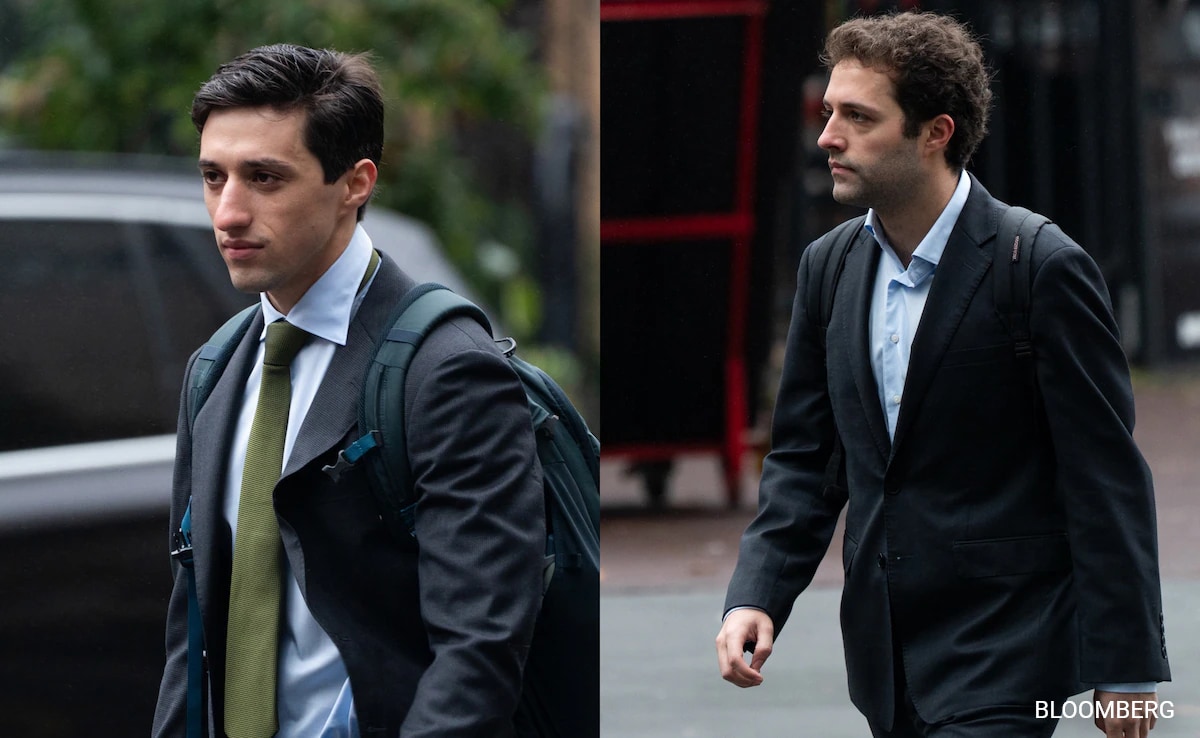
The cryptocurrency community remains divided over the charges against the MIT graduate brothers.
A federal judge declared a mistrial in the fraud case of James Peraire-Bueno, 29, and his brother Anton, 25, after jurors failed to reach a unanimous verdict following a complex three-week trial. The brothers were accused of allegedly misappropriating approximately $25 million in cryptocurrency from traders on the Ethereum blockchain.
US District Judge Jessica Clarke announced the mistrial on Friday after the jury deliberated for three days without reaching consensus. The jurors informed the judge they would be unable to come to a unanimous decision.
This outcome represents a significant setback for prosecutors who have been working to establish legal boundaries in the largely unregulated cryptocurrency sector. Prosecutors, who declined to comment on the ruling, requested additional time from Judge Clarke to consider pursuing a new trial against the brothers.
In their final communication to the judge, jurors described the "emotional burden" they experienced, revealing that half of them had unexpectedly broken down in tears during deliberations. Several jurors also reported multiple nights without adequate sleep.
Earlier that day, the jury had expressed difficulties with their deliberations and requested guidance. While defense attorneys for the Peraire-Bueno brothers advocated for a mistrial declaration, Judge Clarke initially instructed the jury to continue deliberations and provided dinner menus.
Though judges typically hesitate to declare mistrials, preferring to encourage jurors to resolve their differences, Judge Clarke ultimately determined that further deliberation would be futile given the numerous notes from jurors and the emotional distress they had described.
"There's rarely a jury note that is more clear," stated Patrick Looby, attorney for James Peraire-Bueno. "This is a mistrial."
The trial centered around controversial cryptocurrency trading practices known as "sandwich attacks," which utilize automated programs to place large trades before and after another user's transaction. The attacker profits by selling immediately after artificially inflating the price at the expense of the "sandwiched" user.
The Peraire-Bueno brothers, who developed a sophisticated strategy to capture funds from these attackers, maintained that their actions were legitimate in an unregulated marketplace. In contrast, government prosecutors characterized their actions as straightforward theft.
One juror, who requested anonymity when interviewed Friday, indicated that while the jury agreed on the factual aspects of the case, they struggled to apply those facts within the legal framework.
The brothers' parents and their other brother, Alexander "Olek" Peraire-Bueno, attended the entire trial, sitting in the front row of the courtroom and maintaining a presence during the three days of jury deliberations. During closing arguments on Tuesday, more than a dozen friends and classmates of the brothers appeared in court as a show of support.
Anton, seated directly behind his family, received emotional embraces from his parents after the mistrial announcement. Their father, Jaime Peraire, a distinguished professor of aeronautics and astronautics at MIT, wept openly in the courtroom as attorneys from both sides departed.
Opinion within the cryptocurrency community remains divided regarding the decision to charge the brothers.
Although sandwich attacks are not explicitly illegal, they have long been controversial among Ethereum users. Some observers applauded the Peraire-Bueno brothers' exploit as providing a taste of their own medicine to those conducting sandwich attacks.
According to prosecutors, the brothers studied the trading strategies of sandwich bots and developed an elaborate scheme to entice them into an attack. When the bots took the bait, the Peraire-Buenos allegedly exploited a vulnerability in open-source software commonly used by Ethereum network traders to seize the bots' invested funds.
The trading companies behind sandwich attacks have historically operated in secrecy, but one emerged publicly to testify against the Peraire-Buenos as a government witness. David Yakira, CEO of Savannah Technologies, an Israeli cryptocurrency firm whose bots were targeted by the brothers, described his reaction to the jury.
"You go to bed with $14 million, you wake up with nothing," Yakira testified. "It's not an easy experience."
He explained that bots operated by Savannah Technologies initiate approximately 10,000 transactions daily and utilize open-source Ethereum software to ensure transaction security.
"This event that happened," Yakira stated, "is a singular event in the history of Ethereum."
Defense attorneys argued that the Peraire-Buenos employed a legitimate, if aggressive, trading strategy.
"The brothers should be celebrated, not vilified," asserted Daniel Marx, attorney for Anton Peraire-Bueno.
The case is US v. Peraire-Bueno, 24-cr-293, US District Court, Southern District of New York (Manhattan).
Source: https://www.ndtv.com/world-news/james-peraire-bueno-anton-us-judge-declares-mistrial-in-mit-grad-brothers-25-million-crypto-fraud-case-9597029