
Amazon Chef Saulo Jennings Declines Royal Vegan Request: Championing Sustainable Rainforest Cuisine
- Date & Time:
- |
- Views: 84
- |
- From: India News Bull
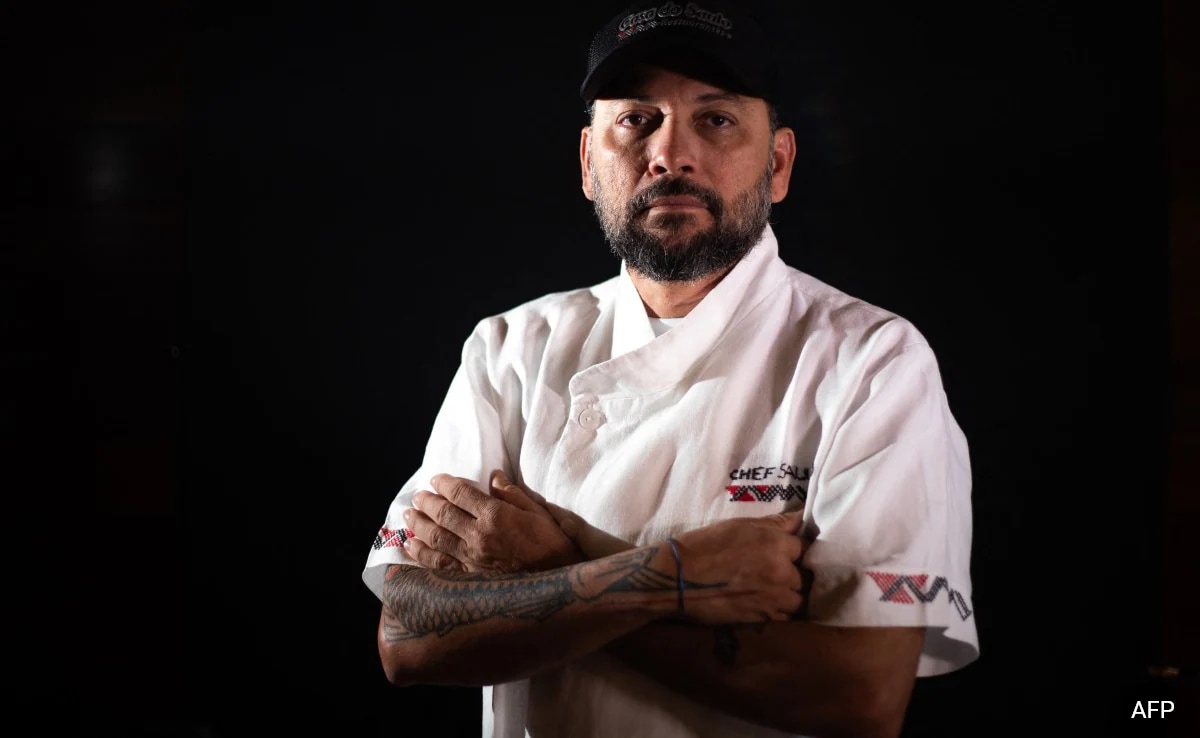
Chef Saulo Jennings declined to provide catering for the Earthshot Prize event after organizers insisted on a completely plant-based menu.
Saulo Jennings, a 47-year-old culinary expert from Brazil's Amazon region, holds such deep devotion to rainforest ingredients—particularly the enormous pirarucu fish—that he turned down an opportunity to cater an environmental awards ceremony hosted by Britain's Prince William when asked to prepare exclusively vegan offerings.
Despite this decision, Jennings stands ready to showcase his talents for world leaders at the COP30 summit in the Amazon this week, presenting an immersive dining experience featuring both plant and animal-derived ingredients sourced from the world's largest rainforest ecosystem.
Named a UN gastronomy ambassador in 2024, Jennings has prepared meals for presidents, diplomatic figures, and even international celebrities like Mariah Carey.
Having grown up along the Tapajos River in northern Brazil, where he established the first of his six restaurants 16 years ago, Jennings explained to AFP that sustainability, in his view, fundamentally requires balance.
When asked why he declined cooking for Prince William and 700 guests at the Earthshot Awards dinner in Rio de Janeiro this week, Jennings responded: "The request I received was to create a 100% vegan menu, and I explained that I didn't feel comfortable signing off on such a menu because my work is precisely to show that the Amazon is sustainable, and this includes the fish."
"I even suggested making an Amazonian menu with mostly vegetable dishes, but also including sustainably managed fish, which ended up not being accepted. As far as I know, it wasn't a requirement of the royal family."
Earthshot representatives declined to comment on the matter.
Regarding veganism's growing association with ethical eating, Jennings offered: "I greatly respect those who choose this path. But I think it's dangerous when veganism is treated as synonymous with sustainability. They are different things. The forest is a balanced ecosystem, it needs people, animals and plants living together. What worries me is when this becomes a cultural imposition."
"The people of the Amazon are vegan, vegetarian and carnivorous without thinking specifically about it. We eat what the forest gives us. This relationship with food is ancestral."
When discussing how some traditional local dishes like acai, Indigenous manicoba stew, and mouth-numbing tacaca soup were initially excluded from the COP30 menu due to contamination concerns, Jennings shared: "I was the first to question this, including with the Brazilian Minister of Tourism, and we managed to get a correction made to the bidding process. It would be absurd for the whole world to come and see the Amazon and for us not to be able to serve our own food."
"Many people from outside are still afraid of our food, and end up ordering chicken or turkey, when they could eat pirarucu, which is noble, flavorful, and sustainable."
When asked about the Amazonian flavors he's bringing to COP30, Jennings enthusiastically explained: "The basis of everything for me is cassava...but I also love working with Brazil nuts, jambu, melipona honey, Santarem butter beans, pumpkin, banana, black tucupi, and Marajo cheese."
"At COP, I want the world to taste these flavors and understand that the forest also speaks through food."
Jennings firmly believes Amazonian cuisine serves as a conservation tool: "Absolutely. Cuisine is one of the most direct ways to protect the forest. When you consume sustainably managed fish, artisanal flour, or real tucupi, you are helping a chain that keeps people on the riverbank and prevents deforestation. Amazonian food is a political act of conservation."
Reflecting on his personal relationship with food, Jennings shared: "I am the son, grandson, and great-grandson of people who live off this land. Food for me is memory, it is resistance, and it is the most beautiful way to tell who we are."
"When we talk about the Amazon, there are still those who think it's exotic and don't understand that it's science, technique, and tradition. My dream is to see a pirarucu dish being served with the same prestige as a Peruvian ceviche or an Italian pasta."
Source: https://www.ndtv.com/world-news/why-a-chef-refused-to-cook-vegan-dinner-for-prince-william-in-amazon-forest-9571700