
Lahore Maintains Status as World's Most Polluted City with Hazardous AQI Levels Exceeding 300
- Date & Time:
- |
- Views: 57
- |
- From: India News Bull
Islamabad:
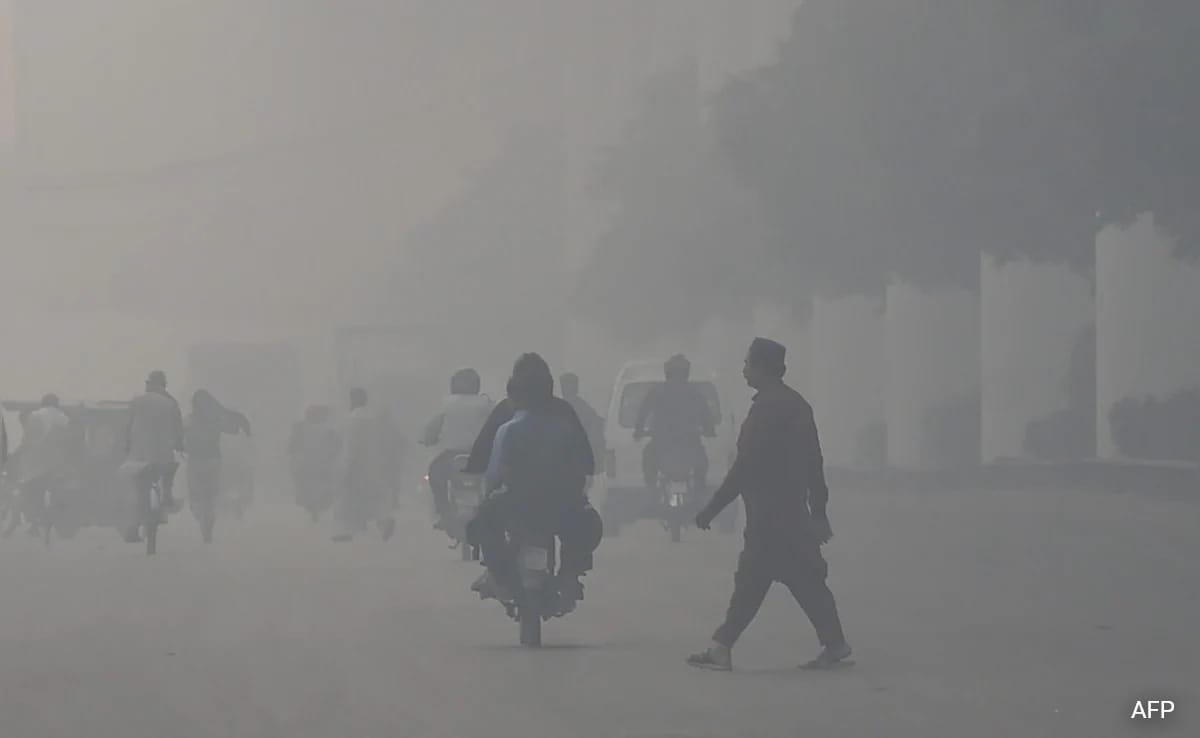
Pakistan's city of Lahore remains positioned at the top of global pollution rankings with an Air Quality Index (AQI) exceeding 300, according to measurements from Swiss air quality monitoring organization IQAir, as smog blanketed the region on Wednesday, as reported by local media outlets.
Lahore registered an alarming AQI of 563 around 10:30 am, placing it in the "Hazardous" category, with the city's primary pollutant, PM2.5, measuring at 357, according to Pakistan-based publication The News International. Additionally, Pakistan's Karachi also appeared among the top 10 most polluted cities worldwide, ranking seventh with an AQI recorded at 154.
Meanwhile, the Faisalabad area in Punjab province recorded an extraordinarily high AQI of 1037 and PM2.5 levels at 595.2 — approximately 119 times above the World Health Organisation (WHO) recommended guidelines. These AQI measurements highlight the magnitude of the ongoing air quality crisis affecting Pakistan. The cities of Multan and Peshawar (capital of Khyber Pakhtunkhwa) reported AQI readings of 292 and 290 respectively.
In response, Punjab's government has implemented an 'emergency plan' to address the pollution crisis, including measures against agricultural burning, vehicles emitting excessive smoke, and deployment of anti-smog equipment in heavily polluted areas, as reported by The News International. Anti-smog devices are currently being utilized at identified pollution hotspots throughout Lahore to reduce particulate matter. However, environmental experts have indicated that meaningful improvements would require long-term regional cooperation and stricter emissions control measures.
Health professionals have strongly advised residents to utilize masks and protective eyewear when venturing outdoors to minimize exposure to toxic air conditions, according to Pakistani news source Samaa TV. They cautioned that extended exposure to such elevated pollution levels can cause respiratory complications, throat irritation, and eye infections, particularly affecting vulnerable groups like children and elderly individuals. Authorities have recommended limiting outdoor activities and keeping windows closed, especially during morning and evening hours when smog concentration reaches its peak levels.
Despite claims from authorities regarding implementation of anti-pollution measures to combat the worsening smog situation, violations of Environmental Protection Agency (EPA) Standard Operating Procedures (SOPs) continue throughout the region. Numerous smoke-producing brick kilns remain operational in Batapur and other Lahore suburban areas, releasing dense fumes into the atmosphere. Construction material transport trucks also continue operating without proper tarpaulin covers, further contributing to increased pollution levels.
(This story has not been edited by NDTV staff and is auto-generated from a syndicated feed.)
Source: https://www.ndtv.com/world-news/pakistans-lahore-continues-to-remain-worlds-most-polluted-city-9537826