
Inside Pakistan's Shadow Government: How Field Marshal Asim Munir Controls Power Behind Democratic Facade
- Date & Time:
- |
- Views: 53
- |
- From: India News Bull
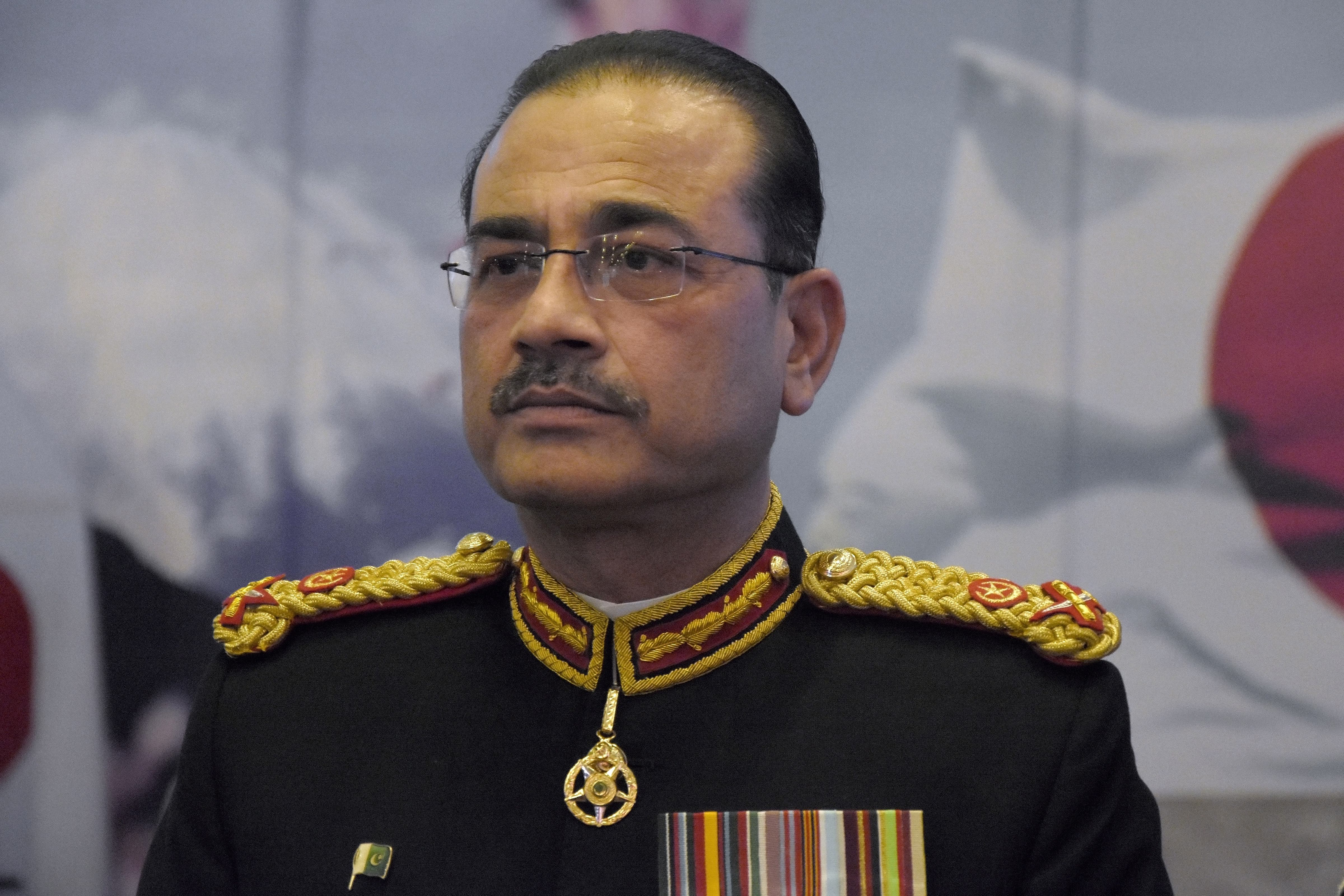
Field Marshal Asim Munir's greatest challenge came from Imran Khan, whom he perceived as a significant threat.
In July of this year, speculation was widespread that Pakistan's Army Chief, Field Marshal Asim Munir, was contemplating a coup to remove the government. However, Munir opted against this approach, recognizing that such action would trigger international demands for democratic restoration.
Having observed how General Pervez Musharraf faced substantial international pressure after deposing Nawaz Sharif and declaring himself President, Munir appears to have adopted a more strategic approach. Instead of an outright coup, he has established a system where he maintains complete control while preserving the facade of democracy through puppet leadership.
The Pakistani Army Chief is systematically placing individuals from both his family and military circles into key administrative positions throughout the country. This calculated strategy enables him to dominate both civilian governance and military affairs simultaneously.
Munir's first strategic move was ensuring Imran Khan's removal from power and subsequent imprisonment. With his primary adversary neutralized, he installed Asif Ali Zardari as President and Shehbaz Sharif as Prime Minister—both effectively serving as his proxies.
His second maneuver involved appointing his trusted associate, General Asim Malik, as ISI chief while additionally granting him the position of National Security Advisor. Recently, Munir transferred his nephew, Captain Syed Abu Rehman Bin Qasim, from military service to the civil sector, alongside nine other army officials. These actions clearly demonstrate Munir's intention to position loyal personnel throughout Pakistan's governmental structure, establishing de facto control over all aspects of governance.
An official noted that this approach grants Munir enhanced control over governmental systems while maintaining Pakistan's democratic appearance internationally. Placing his nephew in the Prime Minister's office specifically allows Munir to maintain surveillance over Shehbaz Sharif's activities.
Further plans include appointing loyalists to the interior ministry, high commissions, and embassies, which would provide Munir direct access to administrative functions across the government.
Intelligence Bureau sources suggest that Munir's nephew may eventually be reassigned to head an embassy in either the United States or India, extending Munir's control over international intelligence operations. While controlling intelligence activities is less urgent given his influence over the ISI chief, these moves represent Munir's determination to assert authority over all aspects of Pakistani affairs.
The Prime Minister and President will remain in their positions, though these roles have become largely ceremonial—serving primarily to present Pakistan as a democratic nation to the international community. According to officials, these maneuvers stem from Munir's profound insecurity regarding his position. His self-promotion to Field Marshal despite embarrassment during Operation Sindoor further indicates this insecurity.
Additionally, Munir faces repeated challenges from the Tehreek-e-Taliban Pakistan (TTP), Balochistan Nationalist Army (BLA), and Afghan Taliban. He fears potential military upheaval as soldiers increasingly express dissatisfaction with his leadership. In Khyber Pakhtunkhwa (KP), some military personnel have reportedly refused orders to engage the TTP in tribal regions.
These developments coincide with growing tensions between General Headquarters (GHQ) and the government, particularly regarding Munir's desired extension as Army Chief. While the government supports his continuation until 2027, Munir insists on remaining in power until 2030, creating discontent among officers awaiting promotion to the top position.
Munir has already replaced several corps commanders to mitigate seniority conflicts. These circumstances have intensified his sense of vulnerability, driving his efforts to consolidate control over intelligence services, military leadership, and civilian administration.
Source: https://www.ndtv.com/world-news/behind-pakistans-civilian-facade-asim-munirs-deep-state-consolidation-of-power-9523895