
Queen Victoria's Forgotten Legacy: How She Commanded History's Largest Drug Empire
- Date & Time:
- |
- Views: 66
- |
- From: India News Bull
Queen Victoria also enjoyed cocaine, legal at the time.
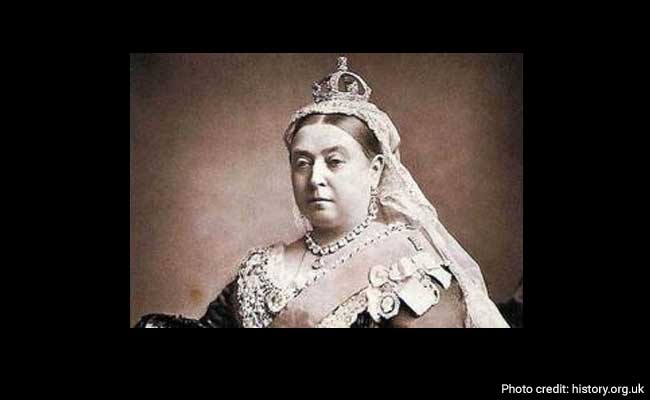
Rewind approximately 150 years and you'll discover that the figurehead behind one of history's largest drug empires wasn't a South American cartel leader or gang member, but rather a British monarch.
According to historian Sam Kelly, Queen Victoria presided over a narcotics operation so extensive that it "made Escobar and El Chapo look like low-level street dealers." In his revealing book, 'Human History On Drugs: An Utterly Scandalous but Entirely Truthful Look at History Under the Influence,' Kelly details how the 19th-century queen effectively controlled one of history's most massive drug enterprises, backed by the British Empire's formidable power. The profits from this empire-wide drug commerce were so substantial that they "were funding the entire country."
The queen herself had a personal affinity for various substances. Kelly notes that Queen Victoria was a "huge fan of drugs," regularly consuming an assortment of pharmaceuticals, with opium being her preferred choice. She consumed it daily in the form of laudanum, a mixture of opium and alcohol, taking "a big swig of laudanum every morning."
Her pharmaceutical usage didn't stop there. Victoria also utilized cocaine, which was perfectly legal during her era, appreciating it for the "powerful blast of self-confidence" it provided. Her physician prescribed cannabis to alleviate menstrual discomfort, and chloroform was administered during childbirth.
Victoria's relationship with drugs extended far beyond personal consumption to imperial policy. Upon her coronation in 1837, she inherited what Kelly describes as a "king-size problem" – Britain's dependency on Chinese tea imports that was depleting the nation's silver reserves. The empire needed a commodity to balance this trade deficit, and found its solution in opium cultivated in British-controlled India, which was then sold in enormous quantities to China.
This highly addictive substance dramatically reversed the trade imbalance. Kelly writes that "China was forced to return all the silver the British had spent on tea, plus a great deal more. Now it was China, not Britain, that was racking up ruinous trade deficits." Eventually, opium sales constituted between 15% and 20% of the British Empire's annual revenue.
When China's high-ranking official Lin Zexu attempted to halt the devastating opium trade by appealing directly to Queen Victoria to cease Britain's export of "poisonous drugs" in exchange for tea and silk, the queen simply ignored his entreaties. After Lin seized and destroyed 2.5 million pounds of British opium in 1839, Victoria responded with military force. The ensuing First Opium War concluded with China's defeat and a treaty that ceded Hong Kong to Britain, opened additional ports, and granted British citizens immunity from Chinese law.
Through these actions, Kelly explains that the queen demonstrated "that China could be defeated, and fairly easily," representing a triumph of imperial power and commercial profit.
Interestingly, Victoria did draw one line in her drug trade policies. Believing cocaine to be "a safe, healthy energy booster," she refused to export it to China. As Kelly colorfully puts it, "She was happy to sell them all the opium in the world," but insisted "they'd better not touch her cocaine."
Source: https://www.ndtv.com/world-news/queen-victoria-british-opium-trade-queen-victorias-opium-trade-which-made-escobar-look-like-low-level-dealer-9513658