
Understanding Life Insurance Value: Axis Max Life CEO Explains Why "What If I Don't Die?" Shouldn't Stop You From Getting Covered
- Date & Time:
- |
- Views: 53
- |
- From: India News Bull
Consider purchasing a dream car you've always wanted - perhaps a bottle green Bentley or an expensive electric vehicle. When you buy motor insurance for it, and after navigating through Delhi or Mumbai traffic for a year without any scratches or accidents, do you feel disappointed that your insurance money isn't returned? Or are you relieved that no accident occurred?
Now apply this same concept to your life. How would you value your life, and what would you pay to transfer the risk of losing it to someone else? This is precisely where life insurance becomes essential.
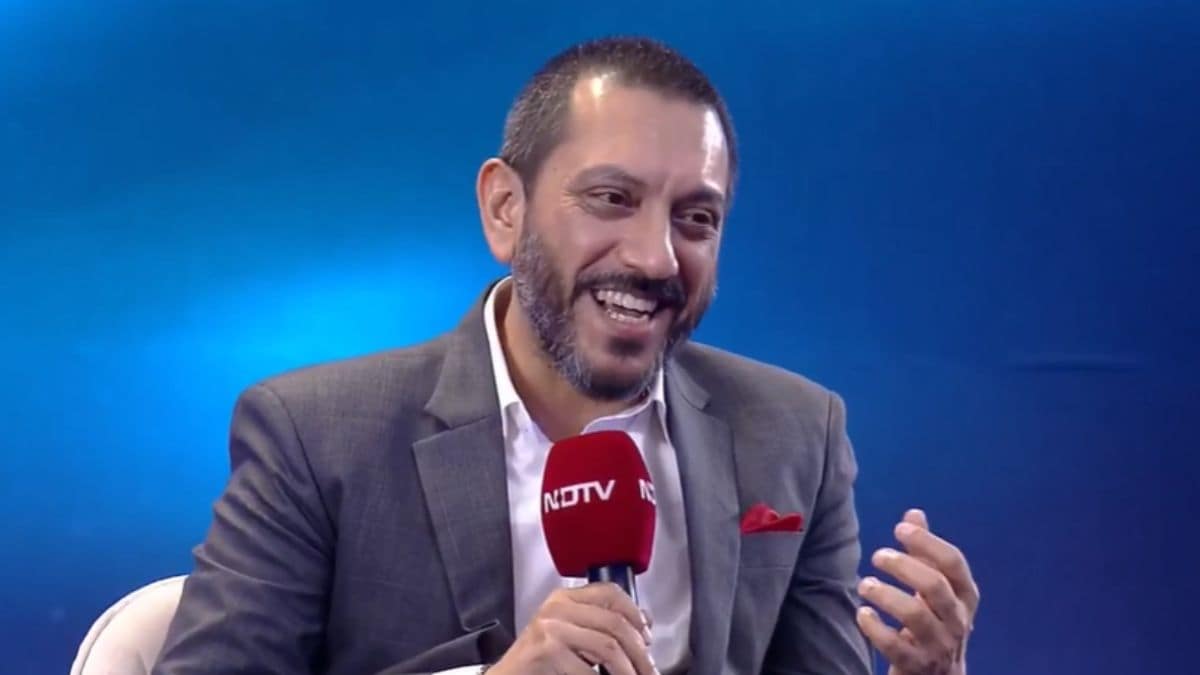
This car analogy was presented to Sumit Madan, MD and CEO of Axis Max Life, who acknowledged it as "a good scenario to be in" but emphasized that it shouldn't deter anyone from purchasing life insurance.
In the realm of personal finance, experts consistently recommend securing life insurance before making your first investment.
"Many young people approach us asking 'what happens if I don't die?' It's similar to the car insurance example - it's fortunate not to need it, but that shouldn't prevent you from obtaining life insurance coverage. We consistently maintain that it should be the first financial product any young individual purchases. The industry is uniting behind this message with a campaign called 'life insurance now,'" explained Sumit Madan.
The Axis Max Life CEO highlighted that insurance costs have significantly decreased, further aided by GST reductions.
"Insurance costs have dramatically fallen in recent years. Gone are the days when insurance was considered expensive or when product understanding was ambiguous. Today, young people spend more at cafes than the cost of a basic term plan, which is approximately 700-800 rupees monthly for coverage of around 1 crore in India," the CEO stated.
"Substantial work has been done by companies, regulators, and the government regarding product pricing. Additionally, the entire ecosystem is evolving, with initiatives at every level. Awareness campaigns, increased focus on rural areas, and the government's BIMA Trinity program are making insurance more of a pull product. Today's customers seek comprehensive solutions, which the BIMA Trinity largely addresses," he added.
Bima Trinity is a three-component initiative by the Insurance Regulatory and Development Authority of India (IRDAI) designed to increase insurance penetration nationwide, particularly in underserved areas. Part of the "Insurance for All by 2047" vision, it comprises Bima Sugam, Bima Vistaar, and Bima Vaahak.
"The BIMA Trinity offers a comprehensive product covering not just life insurance but also health and property protection - a complete solution for all Indians. I believe this could spark a UPI-like revolution in life insurance, transforming the industry and accelerating growth," he commented.
The CEO expressed concern that life insurance penetration remains at approximately 4 percent, indicating significant room for expansion.
"Artificial intelligence is contributing to price reductions, and the government's recent GST adjustments are further boosting momentum for term insurance products," he concluded.
Source: https://www.ndtv.com/world-news/what-if-i-dont-die-axis-max-life-ceo-sumit-madan-on-often-asked-question-about-life-insurance-9479631