
US Military Reports First Survivors in Caribbean Drug Vessel Strike Amid Escalating Venezuela Tensions
- Date & Time:
- |
- Views: 53
- |
- From: India News Bull
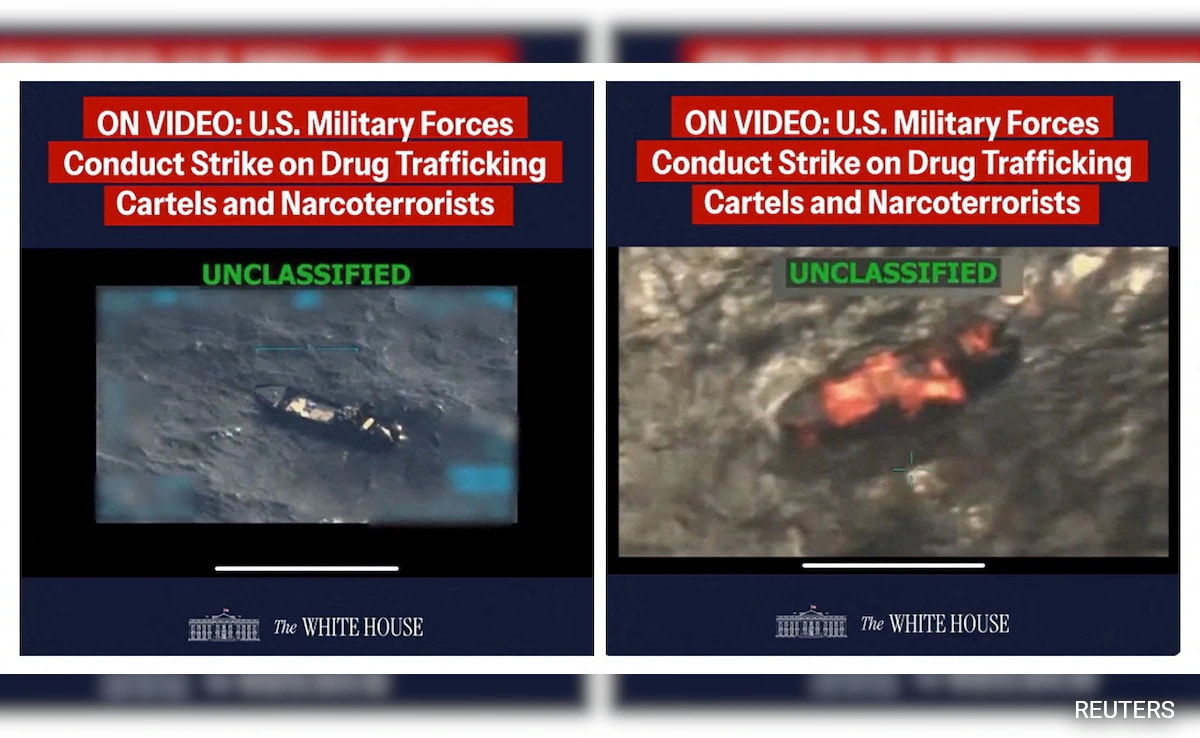
The US military conducted a fresh strike on Thursday targeting a suspected drug vessel in the Caribbean.
According to a US official speaking anonymously to Reuters, this operation marked what appears to be the first instance where crew members survived such a strike. The official provided no additional information about the incident, which had not been previously disclosed to the public. This development raises new questions regarding whether the US military provided assistance to survivors and if these individuals are now under US military custody.
The Pentagon, which has categorized those targeted in these operations as narcoterrorists, did not immediately respond when asked to comment.
Before Thursday's action, US military strikes against suspected drug boats near Venezuelan waters had resulted in at least 27 fatalities, triggering concerns among legal experts and Democratic lawmakers who question the strikes' compliance with international laws of war.
The Trump administration maintains that the US is already engaged in conflict with narcoterrorist organizations from Venezuela, thereby legitimizing these military actions.
Footage of previous attacks presented by the Trump administration showed vessels being completely destroyed, with no prior reports of survivors.
These operations occur amid a significant US military buildup in the Caribbean, including guided missile destroyers, F-35 fighter jets, a nuclear submarine, and approximately 6,500 troops, as President Donald Trump intensifies confrontation with the Venezuelan government.
On Wednesday, Trump revealed his authorization for the Central Intelligence Agency to conduct covert operations within Venezuela, fueling speculation in Caracas about possible US intentions to remove Venezuelan President Nicolas Maduro from power.
In correspondence to the UN Security Council viewed by Reuters, Venezuela's UN Ambassador Samuel Moncada requested that the United Nations declare these US coastal strikes illegal and issue a statement supporting Venezuela's sovereignty.
Less than a week ago, the Pentagon announced a shift in leadership for counter-narcotics operations in the region, moving away from the Miami-based Southern Command, which traditionally oversees US military activities in Latin America.
Instead, the Pentagon established a taskforce led by II Marine Expeditionary Force, a unit based at Camp Lejeune in North Carolina specialized in rapid overseas deployments.
This decision surprised military analysts, as operations of this prominence would typically fall under a combatant command like Southern Command.
Earlier Thursday, Defense Secretary Pete Hegseth announced that Admiral Alvin Holsey, who leads US Southern Command, will step down at year's end, two years ahead of schedule—a surprising development.
Senator Jack Reed, the top Democrat on the Senate Armed Services Committee, expressed concern about Admiral Holsey's unexpected resignation, particularly given growing fears of potential US-Venezuela confrontation.
"Admiral Holsey's resignation only deepens my concern that this administration is ignoring the hard-earned lessons of previous US military campaigns and the advice of our most experienced warfighters," Reed stated.
Source: https://www.ndtv.com/world-news/us-carries-out-new-strike-against-suspected-drug-vessel-in-caribbean-9470639