
Bangladesh Seeks Death Penalty for Sheikh Hasina Over Mass Protest Deaths: International Crimes Tribunal Case Explained
- Date & Time:
- |
- Views: 58
- |
- From: India News Bull
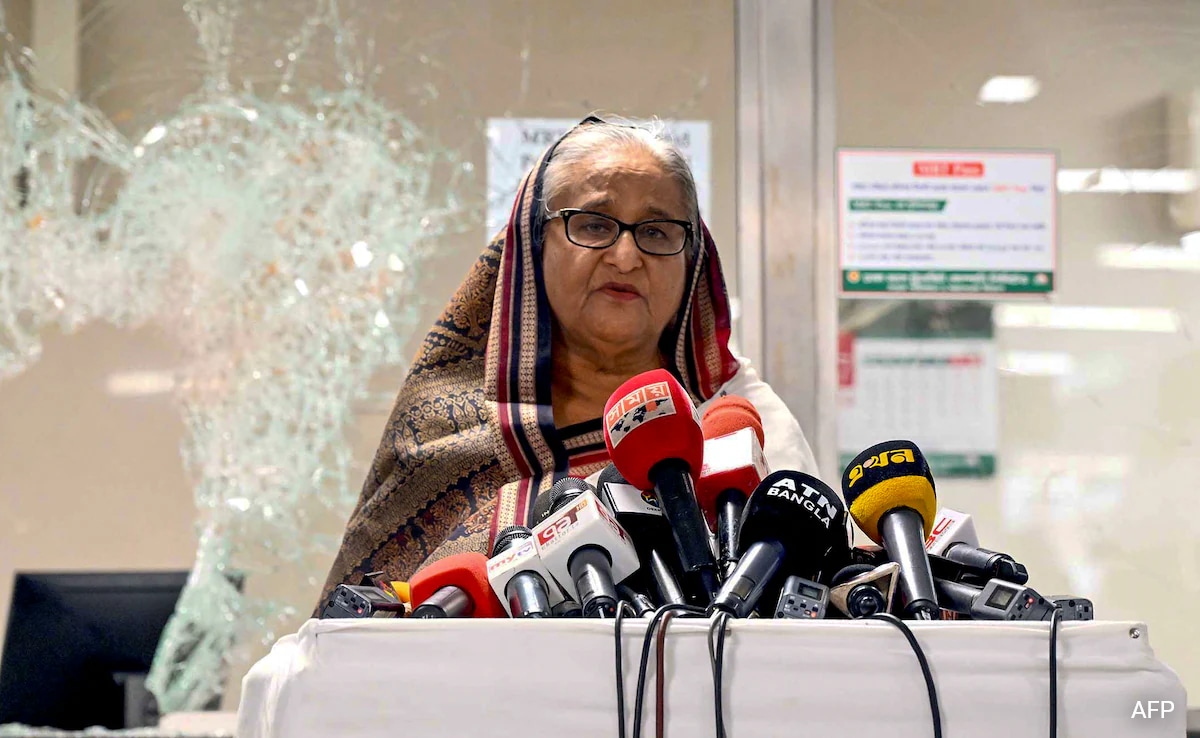
Sheikh Hasina has been residing in exile in India since her escape from Bangladesh on August 5 last year.
A prosecutor at a special domestic tribunal in Bangladesh has requested the death penalty for former Prime Minister Sheikh Hasina regarding charges of crimes against humanity during the mass uprising that forced her to flee the country in 2024.
During the July and August 2024 protests, several hundred individuals, including students, security personnel, and political activists, lost their lives in the week-long violence.
Chief Prosecutor Tajul Islam presented his closing arguments to the International Crimes Tribunal in Dhaka, also requesting a death sentence for former Home Minister Asaduzzaman Khan due to the severity of his alleged crimes.
In his closing statement, the prosecutor left the sentencing decision for former police chief Chowdhury Abdullah Al-Mamun to the tribunal's discretion. Al-Mamun, currently in custody, has become a state witness against Hasina and previously entered a guilty plea.
Hasina has been living in exile in India since fleeing Bangladesh on August 5 last year. Khan is also believed to have sought refuge in India.
Additional proceedings are necessary to complete the trial before a verdict can be delivered.
Hasina did not appoint legal representation and has previously dismissed the trial as a "kangaroo court."
The next court proceedings are scheduled for Monday. A state-appointed counsel for Hasina has requested a week to present his arguments.
Bangladeshi Nobel Peace Prize winner Muhammad Yunus assumed leadership of an interim government three days after Hasina's fall from power. Yunus pledged to punish Hasina and banned all activities of her Awami League party.
In his argument, Islam described Hasina as the "mastermind and principal architect" behind the crimes against humanity committed during the uprising.
A United Nations report from February indicated that up to 1,400 people may have perished in the violence, while the interim government's health adviser stated that more than 800 people were killed and approximately 14,000 injured.
Hasina and her party have questioned these figures and demanded independent investigations.
Referring to the UN statistics, Islam stated on Thursday that if each of the 1,400 deaths were to be punished individually, Hasina should receive 1,400 death sentences.
He informed the tribunal that Hasina "personally ordered the killings."
No immediate response from Hasina's party was available.
Thursday's developments occurred amid rising tensions in Bangladeshi politics following the indictment of 25 former and current military officials, including some former heads of a powerful military intelligence unit.
These officials have been indicted in three separate cases involving charges of enforced disappearances during Hasina's 15-year rule.
The military announced on Sunday that 15 officers had been taken into custody and detained in a jail within Dhaka Cantonment, where the army headquarters are located.
Many of the suspected officials are believed to have fled the country.
Yunus has repeatedly stated that an election will be held in February to transfer power to a democratically elected government. Hasina's Awami League party has little opportunity to participate in the election as its activities remain prohibited.
Source: https://www.ndtv.com/world-news/bangladesh-seeks-death-penalty-for-sheikh-hasina-over-protest-deaths-9467336