
Gaza Ceasefire Holds as Questions Remain About Hostages and Long-Term Peace Plan
- Date & Time:
- |
- Views: 57
- |
- From: India News Bull
Tel Aviv:
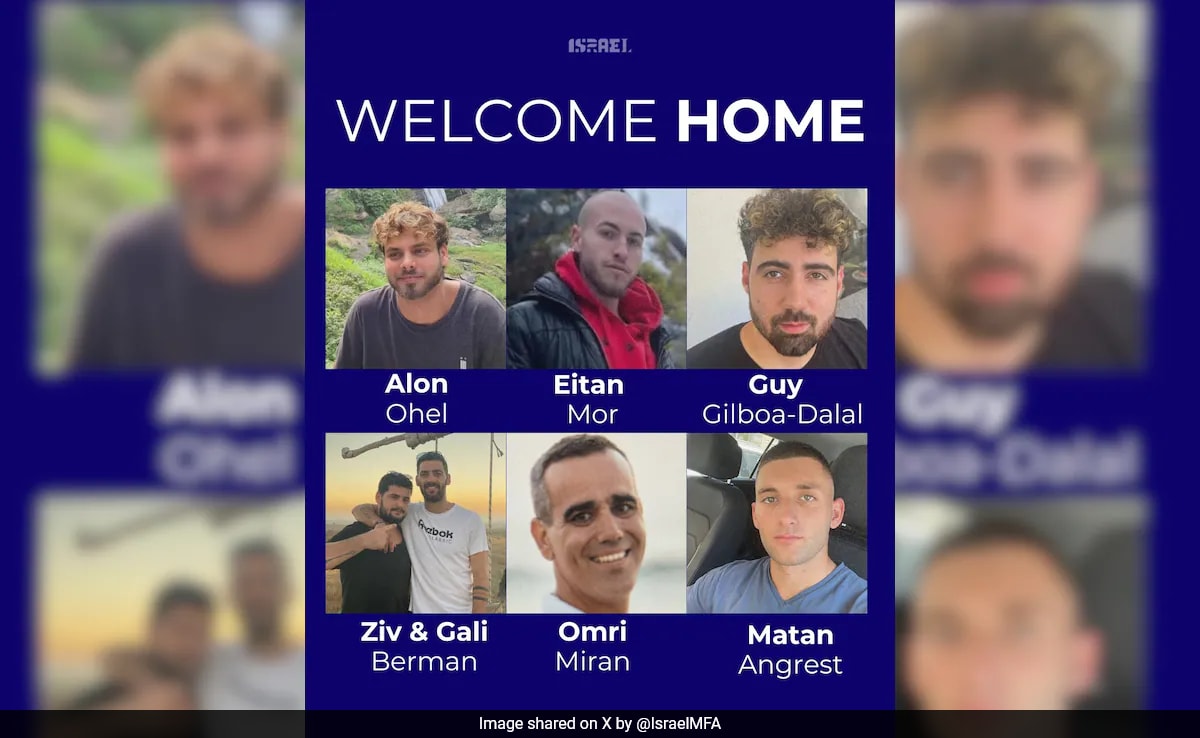
The delicate ceasefire in the prolonged Israel-Hamas conflict continued to hold on Tuesday, despite numerous unresolved issues following Monday's emotional return of the final 20 living hostages to Israel and the corresponding release of hundreds of Palestinian prisoners and detainees.
Among the pressing concerns is the question of when Hamas will repatriate the bodies of 24 hostages believed to have perished in Gaza, as well as ongoing assessments of the health conditions of both released Israeli hostages and freed Palestinians.
Only four of the deceased hostages—whose return is included in the first phase of the ceasefire agreement negotiated by U.S. President Donald Trump—were transferred to Israeli authorities on Monday. The Israeli military identified two of them on Tuesday as Guy Illouz from Israel and Bipin Joshi, a student from Nepal.
Both men were in their twenties when captured during the Hamas-led attack on October 7, 2023, which sparked the war—Illouz was taken from the Nova music festival and Joshi from a bomb shelter.
Israeli officials stated that Illouz died from his wounds while in captivity without adequate medical care, while Joshi was killed during the early months of his captivity. The National Center of Forensic Medicine will later provide definitive causes of death.
The liberated Israeli hostages remained under medical supervision on Tuesday, with some families indicating it could be weeks before the men would be able to return home. In the West Bank and Gaza, several of the hundreds of released prisoners required hospitalization.
In a separate incident, the Israeli military reported that troops in northern Gaza "opened fire to remove the threat" when several individuals crossed the "yellow line" perimeter and failed to comply with orders to halt. No immediate information on casualties was provided.
Under the ceasefire terms, Israel agreed to withdraw in Gaza to the "yellow line" marking positions held in August, before launching their most recent offensive on Gaza City in the northern part of the strip.
Significant long-term questions remain unresolved, including Hamas's disarmament, future governance and reconstruction of Gaza, and the fundamental issue of Palestinian statehood—a central concern for Palestinians and numerous regional nations.
"The first steps to peace are always the hardest," Trump remarked while standing alongside foreign dignitaries in Egypt on Monday at a summit addressing Gaza's future. He characterized the ceasefire agreement he brokered between Israel and Hamas as the conclusion of the Gaza conflict and the beginning of reconstruction efforts in the devastated territory.
On Tuesday, the U.N. development agency announced that the latest joint assessment from the U.N., European Union, and World Bank estimates $70 billion will be needed to rebuild Gaza. Jaco Cillers, special representative of the UNDP administrator for a Palestinian assistance program, indicated that $20 billion would be required over the next three years, with the remainder needed over a longer timeframe—potentially decades.
During the Egypt summit, which notably lacked representatives from either Israel or Hamas, Trump urged regional leaders to "put old feuds aside" as world leaders discussed the challenges of securing lasting peace.
Source: https://www.ndtv.com/world-news/missing-bodies-of-hostages-top-list-of-uncertainties-amid-fragile-gaza-peace-9452882