
Trump's Tariff Threats and Market Volatility: How China's Rare Earth Control Gives Beijing Leverage in Trade Disputes
- Date & Time:
- |
- Views: 65
- |
- From: India News Bull
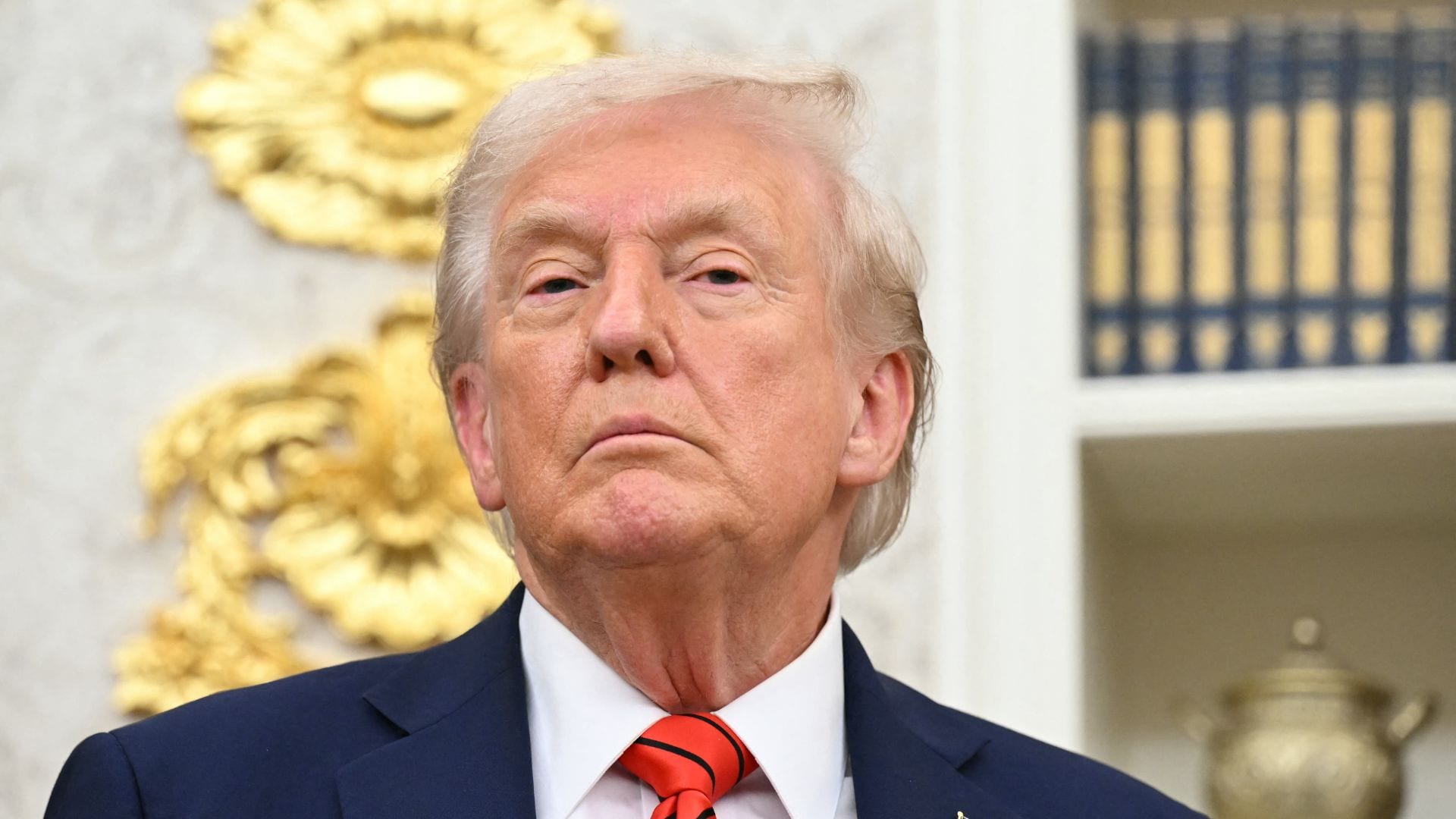
Despite Donald Trump's reputation for dealmaking prowess, his stock market timing appears questionable at best.
The sequence of events in his recent China trade dispute raises eyebrows. On Friday morning, as the S&P 500 Index was reaching toward another record high, President Trump suddenly announced plans for an additional 100% tariff on Chinese goods. This declaration sent markets plunging, with the tech-heavy Nasdaq Composite Index closing 3.6% lower. By Sunday, however, his administration had already softened its stance, indicating willingness to negotiate with Chinese President Xi Jinping to ease trade tensions.
This dramatic sequence unfolded while Asian markets were closed for the weekend. When Chinese markets reopened Monday, investors had already processed that the threatened 100% levy might not materialize. The Hang Seng Index declined just 1.7%, a relatively mild reaction compared to the 13.1% single-day collapse on April 7 following Trump's Liberation Day tariffs announcement. During that earlier episode, Beijing's "national team" of institutional investors had publicly committed to supporting the markets.
American investors, meanwhile, bore the brunt of market anxiety this time. The CBOE Volatility Index, commonly known as the "fear gauge," surged more than 30% on Friday. Cryptocurrency investors who had supported Trump endured a nerve-wracking weekend as their assets experienced significant selloffs amid renewed trade tensions.
Trump's quick reversal, without waiting for even a full day of meaningful market correction in China, raises interesting questions. Could this indicate a recognition that leverage is shifting toward China? Is Trump becoming what Chinese observers might call a "paper tiger"?
Despite Trump's well-documented affection for stock market performance, Chinese authorities may have considerable leverage. The S&P's AI-driven rally is currently priced for perfection, and any extended supply chain disruptions could derail this bull market.
Beijing's new export restrictions on rare earth elements represent a significant threat to AI chip fabrication. Lithography machines manufactured by companies like ASML Holding NV—essential equipment for chipmakers including Taiwan Semiconductor Manufacturing Co. and Samsung Electronics—are particularly vulnerable due to their reliance on precise lasers and magnets containing these elements. Additionally, foundry giant TSMC depends on Chinese consumable materials for 30% of its production capacity for advanced chips (7 nanometers and below).
From an investment perspective, China's control of rare earths poses an even greater threat now than in early April, despite recent U.S. government investments in rare earth magnet production.
Ongoing trade tensions will likely strengthen Xi's determination to develop not only China's indigenous AI models but also the hardware to power them, potentially restructuring a supply chain currently dominated by Nvidia Corp. Beijing has already instructed its technology companies to avoid purchasing Nvidia's H20 AI chips specifically designed for the Chinese market. Chinese customs authorities have intensified efforts to prevent smuggling of advanced chips, marking a stark contrast to previous tacit acceptance. Nvidia shares fell 4.9% on Friday in response.
In early April, investors engaged in the "TACO" strategy—buying stocks after market drops triggered by Trump's tariff threats and selling after presidential policy reversals—performed exceptionally well. However, this approach may become less profitable as Trump appears to be retreating from his positions so rapidly that some markets don't even experience a proper correction before policy reversal.
Source: https://www.ndtv.com/opinion/the-curious-market-timing-of-trumps-tariff-threats-9452448