
DoorDash Partners With Serve Robotics to Revolutionize Autonomous Food Delivery Across US Cities
- Date & Time:
- |
- Views: 51
- |
- From: India News Bull
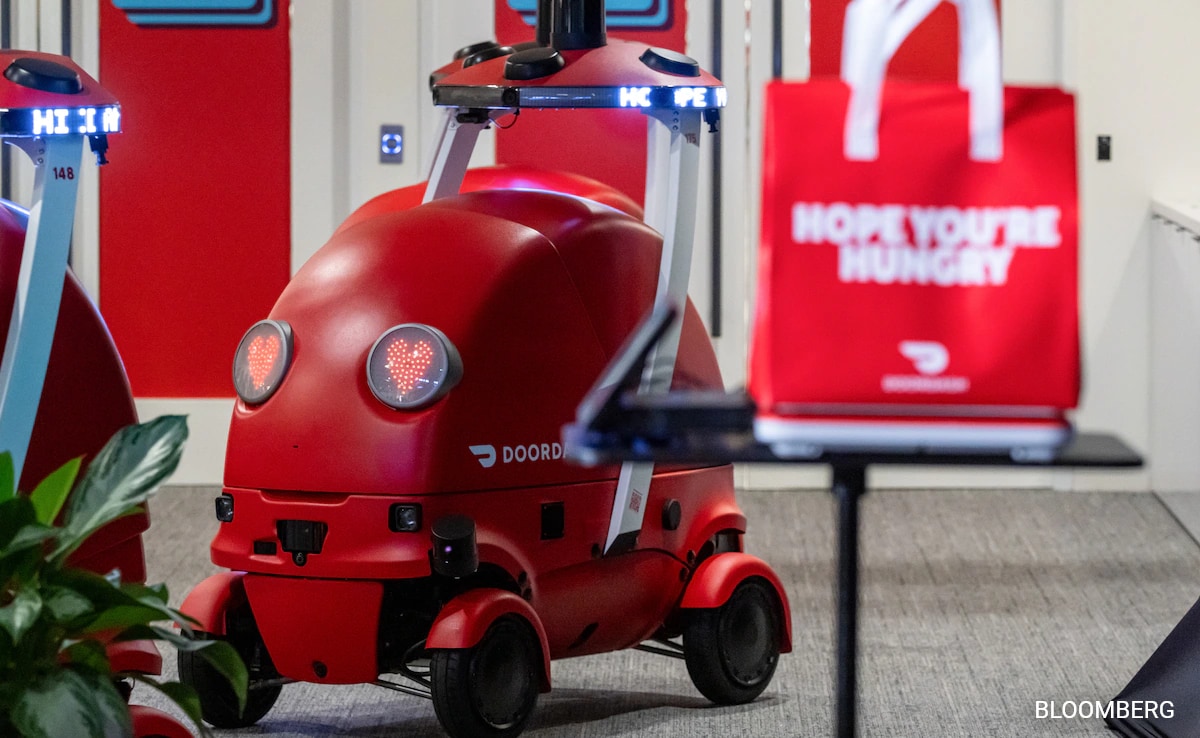
Serve's autonomous robots will fulfill select DoorDash orders through a newly established multiyear partnership.
DoorDash Inc. has formed a strategic partnership with sidewalk-robot developer Serve Robotics Inc. to implement autonomous deliveries across the United States, expanding its delivery methods to complement its existing human courier workforce.
According to a statement shared with Bloomberg News on Thursday, Serve's robots will handle certain DoorDash orders through their multiyear collaboration, beginning operations in Los Angeles. Serve, which also maintains a partnership with DoorDash competitor Uber Technologies Inc., has successfully completed tens of thousands of deliveries across five major US cities: Los Angeles, Miami, Dallas, Chicago, and Atlanta.
Neither partnership is exclusive, allowing Serve to maximize its robots' operational efficiency by accepting orders from both DoorDash and Uber platforms. This approach mirrors how human delivery workers switch between multiple apps to secure better-paying or conveniently located assignments. Following the announcement, Serve shares experienced a significant 29% increase, closing at $17.68 in New York trading—representing the largest single-day gain in nine months.
DoorDash, which leads the US food delivery market, has consistently articulated a vision that incorporates both human couriers and autonomous delivery solutions. In April, the company expanded its existing partnership with Coco Robotics, another sidewalk robot provider, for deliveries in Los Angeles and Chicago. Just last week, DoorDash unveiled its own in-house developed delivery robot, designed specifically for suburban markets where it can deliver larger orders at faster speeds across greater distances on both sidewalks and roadways.
"It's a good validation because now we are seeing both of the major platforms in the country investing quite a bit in autonomy," remarked Serve Chief Executive Officer Ali Kashani during an interview, referring to DoorDash's in-house robot initiative. "For the longest time, for eight years, we've been kind of screaming this off the rooftops, and now we have more support for that."
DoorDash has expressed that human couriers are best suited for handling complex, multi-stop orders that typically offer higher compensation, while sidewalk robots, with their limited speed capabilities, are more appropriate for smaller, short-distance deliveries in urban environments. Serve's average delivery covers less than a mile and typically takes approximately 18 minutes from pickup to delivery. Additionally, DoorDash is exploring drone deliveries in partnership with Flytrex Inc. and Alphabet Inc.'s Wing in both the US and Australia, a method particularly effective for small, time-sensitive orders.
Serve aims to double its robot fleet to 2,000 units on the road by year-end, and its strategy of partnering with multiple delivery platforms could enhance the profitability of this investment.
The company, which counts Uber among its investors following its spin-off from the Uber-acquired delivery service Postmates, has not yet achieved profitability. However, Chief Financial Officer Brian Read has indicated that a larger fleet can substantially increase revenue and operating leverage. By keeping robots active with both DoorDash and Uber deliveries, Serve can potentially reduce "deadhead miles"—unproductive trips where robots aren't fulfilling orders—thereby improving returns without requiring additional capital investment.
Currently, Serve concentrates on food delivery via sidewalks, but Kashani envisions eventually expanding the robots' applications to include transportation of items like groceries or medications, as well as deployment in various settings such as shopping malls, factory floors, or hospitals.
"To me, food delivery is the book to our Amazon," Kashani explained. "We're just starting with that as a first market, but there is almost infinite demand for where we can go."
Source: https://www.ndtv.com/world-news/doordash-partners-with-serve-robotics-firm-to-expand-reach-9429938