
At Wellness Resorts, Ozempic Becomes Part Of The Treatment Menu
A 2024 KFF survey found that about 1 in 8 US adults have used a GLP-1 drug like Ozempic.
- Date & Time:
- |
- Views: 74
- |
- From: India News Bull
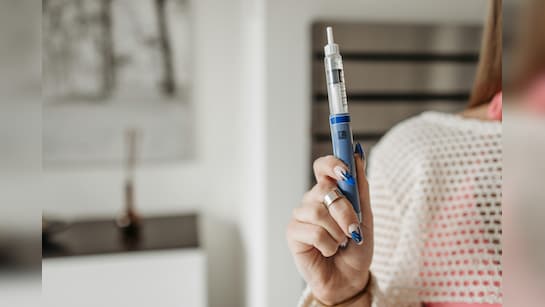
In 2021, while people worldwide were engaged in pandemic pastimes like sourdough baking and toilet paper stockpiling, wellness resorts experienced unprecedented success. Movara, a fitness and weight-loss retreat nestled in Utah's red rocks, enjoyed 18 consecutive weeks at full capacity. Similar establishments like Hilton Head Health in South Carolina and Skyterra Wellness Retreat in North Carolina reported extensive waiting lists of six to eight weeks. The pandemic lockdown period unexpectedly fueled a golden era for destination spas.
However, as normalcy gradually returned post-pandemic, these wellness retreats faced unexpected challenges. Vaccinated individuals abandoned their masks and flocked to international destinations like Italy for indulgent vacations. Meanwhile, international travelers remained hesitant about visiting the US. Before these businesses could recover, a significant disruptor emerged: GLP-1 medications.
Type 2 diabetes medications such as Ozempic and Wegovy, increasingly prescribed off-label for weight loss, began offering what wellness resorts never could guarantee: effortless, sustainable results for approximately $500 monthly, depending on insurance coverage. These medications eliminated the need for strenuous hikes, intense exercise classes, or strict calorie monitoring.
Consequently, just five years after their peak performance, numerous wellness resorts are struggling to avoid significant downturns. The impact extends beyond detox retreats, with GLP-1 medications sending ripples throughout the $6.3 trillion global wellness industry. Ironically, the solution for destination spas may involve embracing the very pharmaceutical intervention that threatens their existence.
Movara co-founder Michelle Kelsch initially dismissed GLP-1s as just another passing trend, similar to Atkins, HCG, Whole30, and intermittent fasting. She maintained her 30-year philosophy emphasizing exercise, discipline, and straightforward calorie management, often telling clients, "If it's something you can't sustain lifelong, it won't succeed."
However, as GLP-1 adoption increased with remarkable outcomes, Kelsch began investigating further. "Throughout my career, I've witnessed many fleeting weight-loss solutions, but nothing comparable to this," she admits. "Most previous methods caused frustration and negative experiences. This is the first approach in my 25-year career that aligns with my fundamental teachings."
The Great GLPivot
At Hilton Head Health (H3), new guest arrivals decreased noticeably in 2023. By the following year, thanks to enhanced marketing efforts and innovative programs, resort representatives report recovery, though specific figures remain undisclosed.
While the resort doesn't explicitly inquire about GLP-1 usage during intake—and guests don't always provide accurate information—program director David Chesworth attributes some of the earlier decline to injectable medications. Potential guests willing to invest in addressing health concerns are "likely to try these medications before committing to a formal weight-loss program," he explains.
This insight influenced the development of the resort's new H3 Experience, a program lasting as few as four days that helps guests evaluate the advantages and disadvantages of GLP-1s within a more comprehensive approach to physical and mental wellbeing. Chesworth emphasizes that the resort consistently encourages guests to consult healthcare providers before making medication decisions.
At the Ranch in Malibu, California, operating since 2010, the core philosophy remains unchanged, emphasizing disciplined approaches: vegan cuisine, caffeine elimination, early morning yoga, and daily four-hour hikes. However, their clientele now includes more menopausal women, GLP-1 users, and individuals focused on post-weight-loss concerns including maintenance, longevity, and healthy aging. Supporting these guests has become financially rewarding for resorts. Programs incorporating GLP-1 support command premium prices of over $12,400 for six nights, compared to the Ranch's standard six-night program at $9,200.
"We're witnessing a significant shift toward health sustainability," notes Nicky Swierszcz, senior program guide and clinical nutritionist at the Ranch's Hudson Valley location in Sloatsburg, New York.
New considerations have emerged, including dietary requirements associated with GLP-1 usage. "We aim to ensure weight loss doesn't result merely from dehydration or muscle deterioration," explains Alex Timmons, owner of Mountain Trek Health Reset Retreat in British Columbia. The retreat, renowned for intensive fitness programs lasting one to two weeks, now "precisely balances calories, macronutrients, meal timing, physical activities, and exercise scheduling to complement natural hormone cycles," according to Timmons.
Meanwhile, Skyterra, acclaimed for personalized retreats in North Carolina's Blue Ridge Mountains, has established a partnership with a local physician for guests currently using GLP-1s, those interested in starting them, or individuals transitioning off these medications. Retreats featuring consultations on maintaining muscle mass while using GLP-1s cost $18,480 for four weeks, including weekly online support groups to help sustain progress beyond the retreat environment.
The Future Of GLP-1s And Spas
This isn't the first instance of wellness resorts rebranding their offerings to adapt to changing trends. Craig Oliver, founder of Spas of America, notes that the industry has previously navigated similar transformations with each fitness trend, including the aerobics explosion of the 1980s and yoga's resurgence in the early 2000s. "Spas had to rapidly develop aerobics classes," he recalls. "Pilates became tremendously popular, requiring facilities to reconfigure spaces for reformer equipment."
A 2024 KFF survey revealed that approximately one in eight American adults have used GLP-1 medications like Ozempic, while one in six Americans practice yoga, according to 2024 CDC data. However, GLP-1 usage is rapidly expanding, projected to increase by over 73% in 2025, potentially reaching one-fifth of American adults. This growth partially stems from improved accessibility: Novo Nordisk recently reduced Ozempic's price by half to $499, while competitor Eli Lilly is seeking FDA approval for orforglipron, an oral alternative, by year's end.
Consequently, resorts must adapt to accommodate these medications. Susie Ellis, chair and CEO of the Global Wellness Institute, identifies this as the industry's future direction, predicting that spas will need to embrace a "new integration" of medicine, wellness, and advanced biohacking technologies. "All wellness facilities will require strategic reconsideration to address the specific needs of GLP-1 users," she asserts.
Movara's Kelsch has already implemented this approach. So impressed by her guests' results, she decided to try GLP-1 medication herself. In March, the mother of six, who felt she no longer embodied the image of a weight-loss resort co-founder, began administering 2.5-milliliter Zepbound injections. She experienced none of the typical side effects—mild nausea, constipation, or stomach discomfort. Within six months, she lost 20 pounds. She even introduced her husband and four of her children to these medications when they expressed interest in weight reduction.
The weight-loss resort owner now maintains that GLP-1s "may be as essential for individuals struggling with excess weight as corrective eyewear is for those with vision impairment."