
One Piece Pirate Flag Emerges as Global Symbol of Gen Z Resistance and Anti-Establishment Protests
- Date & Time:
- |
- Views: 65
- |
- From: India News Bull
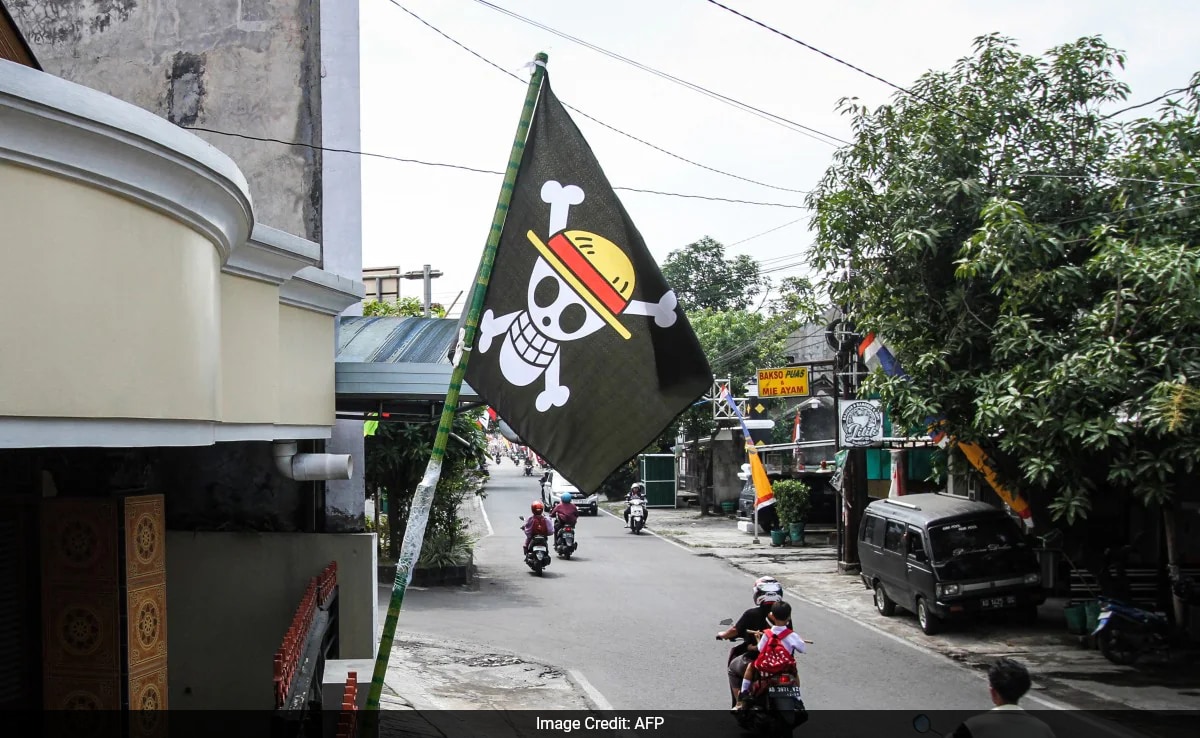
Amidst crowds of youthful protesters spanning from Asia to Africa, Latin America and Europe, a distinctive symbol emerges – a yellow straw hat adorned skull with a mischievous toothy grin, silently challenging governments worldwide.
This iconic emblem, originating from the immensely popular manga series "One Piece," has transformed into a global symbol of resistance in recent anti-establishment demonstrations.
Representing Luffy, the manga's protagonist who battles cruel authorities and champions the oppressed, this stylized pirate flag has become the rallying insignia for Generation Z – those twenty-somethings who have matured alongside the comic since its 1997 debut.
"One Piece shaped my childhood, as it did for most of Gen Z, making it our natural symbol," explained Kai, a 26-year-old participant in Madagascar's recent youth demonstrations, who used a pseudonym for safety.
For Kai and many others, the series conveys a profound message about confronting "oppressive governments."
The Luffy flag first gained prominence at Indonesian youth rallies, where authorities threatened prohibition. Subsequently, it has appeared at protests across Nepal, the Philippines, France, Peru, and Madagascar, where organizers promoted it via the "Gen Z Madagascar" Instagram account during demonstrations against utility failures.
In Japanese creator Eiichiro Oda's celebrated series – spanning over 100 volumes – Monkey D. Luffy navigates the seas pursuing his dream of becoming Pirate King.
According to Phedra Derycke, author of "One Piece: Lessons of Power," Luffy's journey represents a "universal" quest. "This series has endured for over two decades, selling hundreds of millions of copies globally while promoting ideals of dreams and freedom," Derycke noted.
Visiting various islands – inspired by real nations including Egypt, Spain, and Japan – Luffy battles to overthrow the oppressive World Government, with environmental themes interwoven throughout.
"Beneath the accessible pirate adventure, Oda explores numerous political themes: exploitative ruling classes, slavery, discrimination, and racism," Derycke observed, noting parallels between One Piece scenes and recent youth demonstrations.
The cartoon skull symbol functions as a "depoliticized" emblem adaptable to various protest contexts.
In France, the Luffy flag appeared alongside traditional union banners. Julien Dubon, a 45-year-old teacher carrying the flag during Lyon protests, explained he was continuing what "the youth of Asia initiated."
"This symbol will resonate with far more people than those traditional flags behind me," he told AFP. "Those speak to certain older generations but perhaps less effectively to others."
Anthropologist Elisabeth Soulie, who studies Generation Z, characterizes the Luffy flag as an "emotional" emblem and "unifier" for young people who typically organize online without centralized leadership.
From its Asian origins to appearances in Peru, manga expert Derycke suggests Luffy's pirate flag could "continue expanding globally" through social networks.
Source: https://www.ndtv.com/world-news/hoist-the-jolly-manga-gen-z-protesters-rally-to-one-piece-pirate-flag-9391573