
Antibiotic Resistance On The Rise In US As 'Nightmare Bacteria' Cases Spike 69%
- Date & Time:
- |
- Views: 76
- |
- From: India News Bull
The United States is witnessing a concerning surge in "nightmare bacteria" infections, with a dramatic 69% increase recorded between 2019 and 2023, according to a recent Centers for Disease Control and Prevention (CDC) report published in the Annals of Internal Medicine.
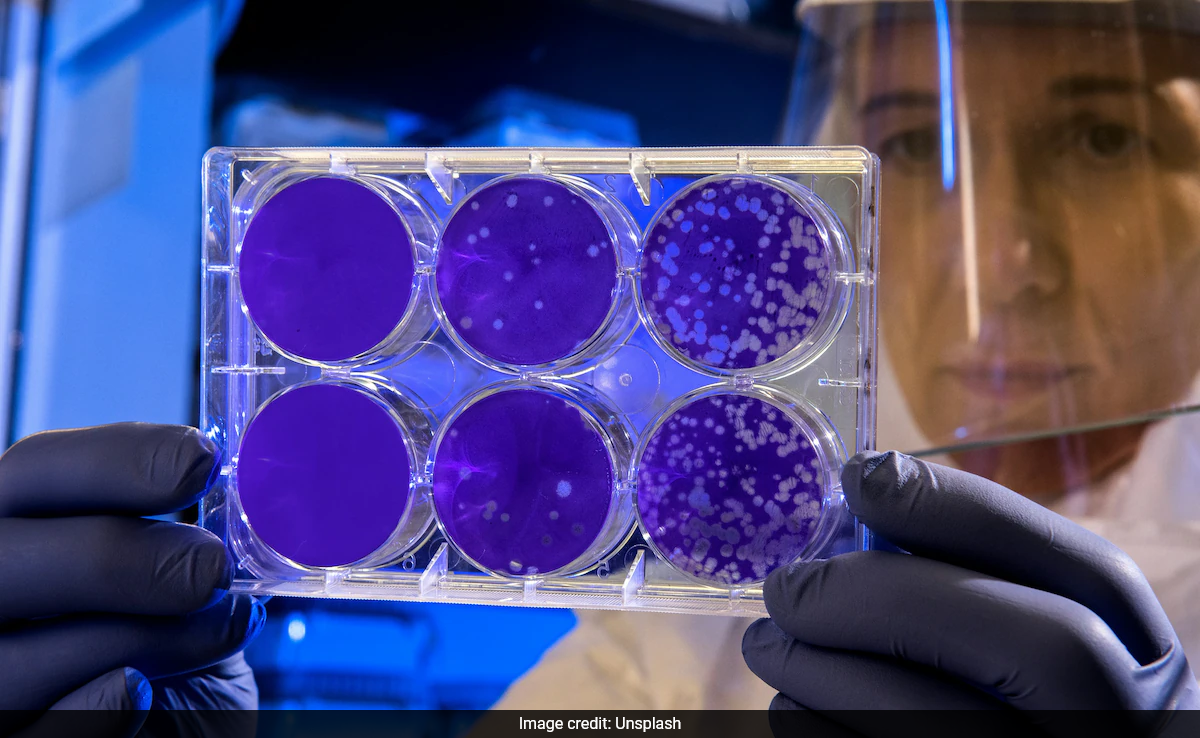
Representative image.
The report specifically highlights the proliferation of NDM-producing carbapenem-resistant Enterobacterales (NDM-CRE), bacteria that have developed resistance to carbapenems, antibiotics typically reserved as last-resort treatments for severe infections.
These dangerous pathogens carry the NDM (New Delhi metallo-beta-lactamase) gene, which effectively neutralizes multiple antibiotics, leaving healthcare providers with extremely limited treatment options.
Only two antibiotics currently demonstrate effectiveness against these infections, both requiring expensive intravenous administration, which compounds treatment challenges.
Also Read | Chinese Woman Dies From Organ Failure After Stepping On Acid, Nicknamed 'Bone-Dissolving Water'
Previous CDC reports from 2022 indicated approximately 12,700 infections and 1,100 deaths attributed to CRE in the United States during 2020. However, the current rise in NDM-CRE threatens to substantially increase both infection rates and mortality.
Statistical analysis reveals carbapenem-resistant infections rose from 2 per 100,000 individuals in 2019 to over 3 per 100,000 by 2023. More alarmingly, NDM cases specifically demonstrated a 460% increase, jumping from 0.25 to 1.35 per 100,000 during the same period.
In 2023 alone, the CDC documented 4,341 carbapenem-resistant bacterial infections across 29 states, with 1,831 specifically identified as the NDM variety.
Also Read | Moon Is Rusting: Scientists Stunned By Hematite Discovery On Lunar Surface
CDC epidemiologist Danielle Rankin emphasized the severity of the situation, stating, "This sharp rise in NDM-CRE means we face a growing threat that limits our ability to treat some of the most serious bacterial infections. Selecting the right treatment has never been more complicated, so it is vitally important that healthcare providers have access to testing to help them select the proper targeted therapies."
NDM-CRE presents an exceptionally serious health risk due to its treatment resistance and association with high morbidity and mortality rates. Without proper prevention protocols, these bacteria can rapidly spread through healthcare environments and into broader communities.
Medical experts suspect the COVID-19 pandemic's widespread antibiotic usage may have contributed to increased resistance patterns. Dr. Jason Burnham, a Washington University researcher, noted in an email to The New York Post, "We know that there was a huge surge in antibiotic use during the pandemic, so this likely is reflected in increasing drug resistance."
The CDC's reported figures likely underrepresent the true scope of the problem, as many states lack comprehensive testing and reporting mechanisms. The agency emphasizes that antibiotic resistance remains a critical global health security concern with varying prevalence across different regions.