
Rising Tensions: Bangladesh's Anti-India Stance Emerges as Yunus Administration Reorients Foreign Policy
- Date & Time:
- |
- Views: 52
- |
- From: India News Bull
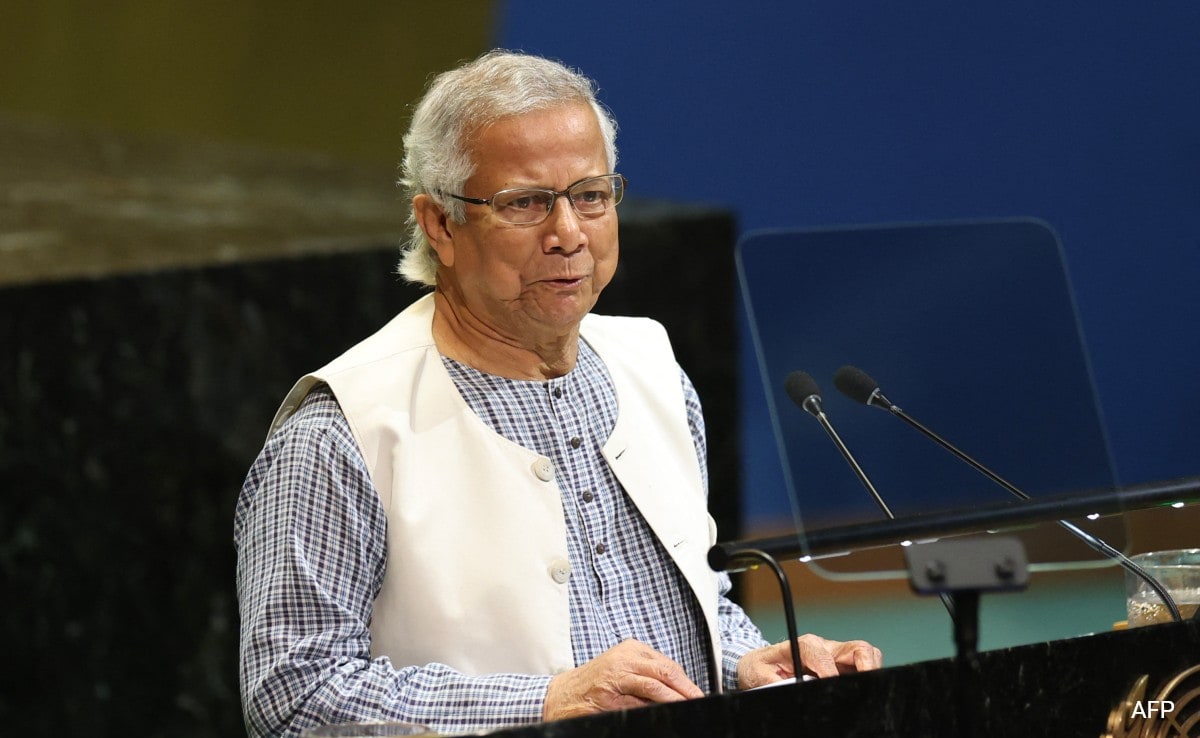
Muhammad Yunus has been advocating for stronger relations with Pakistan while Bangladesh-India ties face challenges.
A prominent figure in Bangladesh's National Citizen Party (NCP) has issued concerning statements suggesting Bangladesh could potentially harbor groups opposed to Delhi and assist in separating India's northeastern states—commonly referred to as the "seven sisters"—from the mainland. These inflammatory comments from NCP leader Hasnat Abdullah coincided with Bangladesh's 55th Victory Day celebrations on Monday.
During the commemorative event, Chief Adviser Professor Muhammad Yunus honored Liberation War martyrs by placing a wreath at the National Memorial in Savar, near Dhaka. This same day was observed as Vijay Diwas in India, commemorating the conclusion of the 1971 India-Pakistan conflict where Indian forces collaborated with Bangladesh's Mukti Bahini to achieve victory, resulting in East Pakistan's liberation and Bangladesh's establishment.
These observances occur during a period of significant transition in Bangladesh, characterized by rising radical Islamic influence and apparent efforts to diminish the historical significance of 1971. There appears to be a growing movement toward disassociation from India and alignment with Pakistan—the nation responsible for widespread atrocities against countless Bangladeshis during the liberation struggle.
Anti-India rhetoric continues to emerge from various political entities in Bangladesh, including provocative statements regarding India's northeastern region, initially sparked by Muhammad Yunus's own remarks about the area.
Nobel Laureate Yunus, who maintains close connections with the student-driven National Citizens Party (NCP), has been advocating for strengthened Pakistan relations while simultaneously creating distance between Bangladesh and India. Radical Islamic elements within the NCP—an organization that emerged from the violent protests in Bangladesh in August last year that led to Sheikh Hasina's departure—persist in making inflammatory anti-India declarations.
"Seven Sisters will be separated from India," stated NCP leader Hasnat Abdullah during a protest rally organized by Inqilab Mancha against those involved in attacking Osman Hadi, reinforcing baseless allegations that the accused receive Indian support.
India has rejected these accusations, with the Foreign Ministry stating, "We expect that the interim government of Bangladesh will take all necessary measures for ensuring internal law and order, including for the purpose of holding peaceful elections."
On December 16, 1971, approximately 93,000 Pakistani soldiers surrendered to India as the Indian Army and Bangladesh's Mukti Joddhas (freedom fighters) achieved a remarkable military victory, resulting in Bangladesh's independence. This day, also celebrated as Bijoy Dibosh in Bangladesh, honors the sacrifices of soldiers and commemorates this pivotal moment in South Asian history.
However, since Muhammad Yunus's administration assumed control of Bangladesh, there appears to be a deliberate campaign to diminish the liberation war's legacy and minimize India's significant contributions to Bangladesh's creation. Anti-India figures like Abdullah continue making statements suggesting potential conflict with India.
"I want to state clearly to India that if you harbor forces disrespecting Bangladesh's sovereignty, potential, voting rights and human rights, Bangladesh will respond," Hasnat Abdullah declared, adding, "If Bangladesh faces destabilization, the resistance will spread beyond borders."
Abdullah's rhetoric represents part of a broader recent pattern attempting to blame India for internal political issues as groups supported by radical Islamic elements advocate for increased engagement with Pakistan—the country responsible for the suffering and death of numerous Bangladeshis.
These factions supported Pakistan during the liberation conflict, and critics argue they have gained confidence under Yunus's administration, coinciding with increased attacks on minority groups, including Hindus, Sufis, and Ahmadiyyas.
Source: https://www.ndtv.com/world-news/anti-india-remarks-from-bangladesh-ahead-of-1971-pakistan-war-victory-anniversary-9824568