
Bangladesh February Election: Key Parties and Issues Following Hasina's Removal
- Date & Time:
- |
- Views: 50
- |
- From: India News Bull
DHAKA Dec 11:
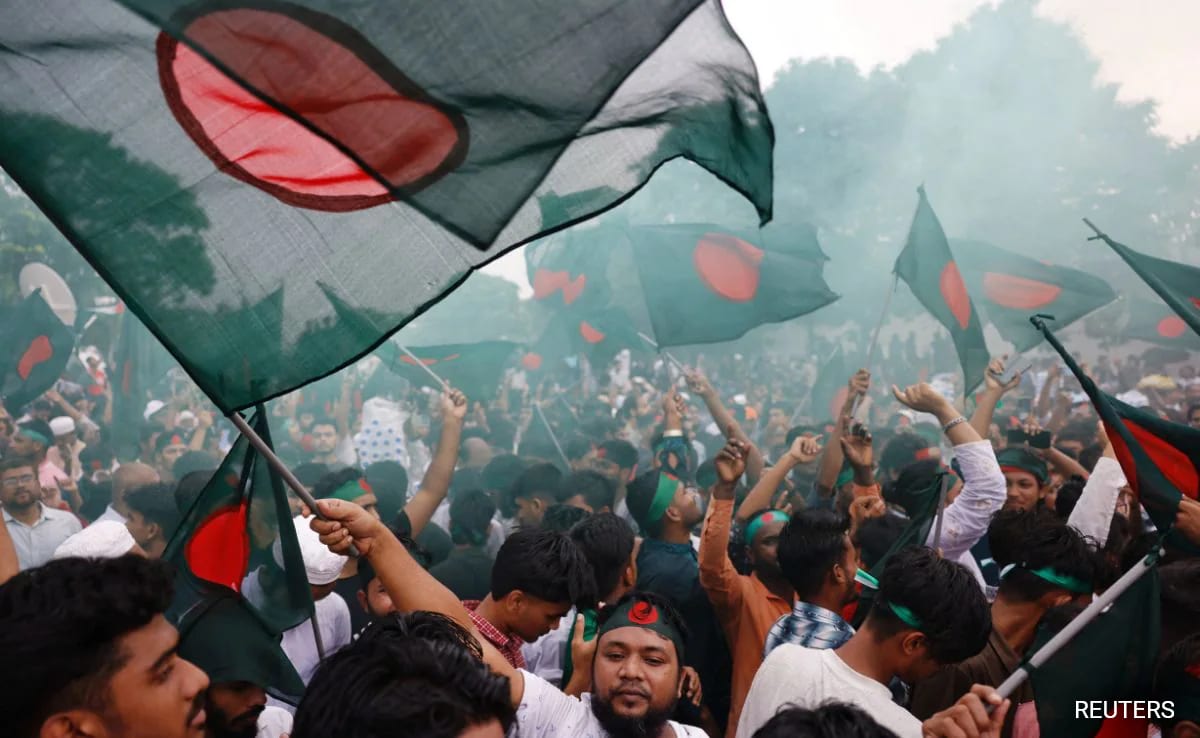
Bangladesh is preparing for its February national election, the first since the student-led uprising that ousted long-time leader Sheikh Hasina in August 2024. Her Awami League, Bangladesh's largest political party, has been prohibited from participating in the electoral process.
Below are the primary political parties and key issues influencing the upcoming vote in this predominantly Muslim nation of approximately 173 million citizens:
Parties
Bangladesh Nationalist Party (BNP): Headed by former Prime Minister Khaleda Zia, the BNP is widely considered the leading contender. A December survey conducted by the US-based International Republican Institute indicates it may secure the most parliamentary seats.
Established in 1978 by Zia's deceased husband, former President Ziaur Rahman, the party champions Bangladeshi nationalism, economic liberalism, and anti-corruption initiatives.
The BNP campaign faces challenges due to Khaleda's health issues and the absence of her son Tarique Rahman, the acting party leader who remains in exile in London. Rahman has pledged to return before the election.
Jamaat-e-Islami: This Islamist organization, previously banned under Hasina's administration, has re-emerged following the uprising and is projected to finish second in the election.
Under Shafiqur Rahman's leadership, Jamaat advocates for Islamic governance based on sharia law while attempting to expand its appeal beyond its traditional conservative supporters.
The party promises to establish a "mafia-free society" and implement anti-corruption measures. Jamaat previously participated in a governing coalition with the BNP from 2001 to 2006.
National Citizen Party (NCP): Formed by student leaders in the aftermath of the uprising, the NCP has encountered difficulties converting its street influence into electoral strength due to organizational weaknesses and financial limitations. Polls show it significantly trailing both the BNP and Jamaat.
The party's 24-point manifesto advocates for constitutional reform, judicial independence, media freedom, universal healthcare and education, and climate resilience initiatives. The NCP is led by 27-year-old Nahid Islam, a prominent figure from the anti-government demonstrations.
Key Issues
Reestablishing democratic governance following deadly protests that resulted in an unelected interim government under Nobel laureate Muhammad Yunus.
Organizing a national referendum on the "July Charter," which proposes enhanced female representation in parliament, prime ministerial term limits, strengthened presidential authority, expanded fundamental rights, and judicial independence.
Restoring economic stability after disruptions severely impacted the export-driven garment industry.
Rebuilding relations with India, which became strained due to New Delhi's close association with Hasina, who found refuge in the Indian capital after fleeing Dhaka. This diplomatic tension has created opportunities for China to strengthen its engagement with Bangladesh.
Addressing corruption, which is widely perceived as endemic within governance structures.
Ensuring judicial independence amid calls for comprehensive reform of courts accused of political bias under previous administrations.
Promoting press freedom following years of media restrictions and censorship.
Source: https://www.ndtv.com/world-news/bangladesh-elections-2026-explained-main-parties-and-issues-in-februarys-bangladesh-election-9790157