
Analyzing Trump's Peace Efforts: A Comprehensive Review of Global Conflict Mediation Claims
- Date & Time:
- |
- Views: 65
- |
- From: India News Bull
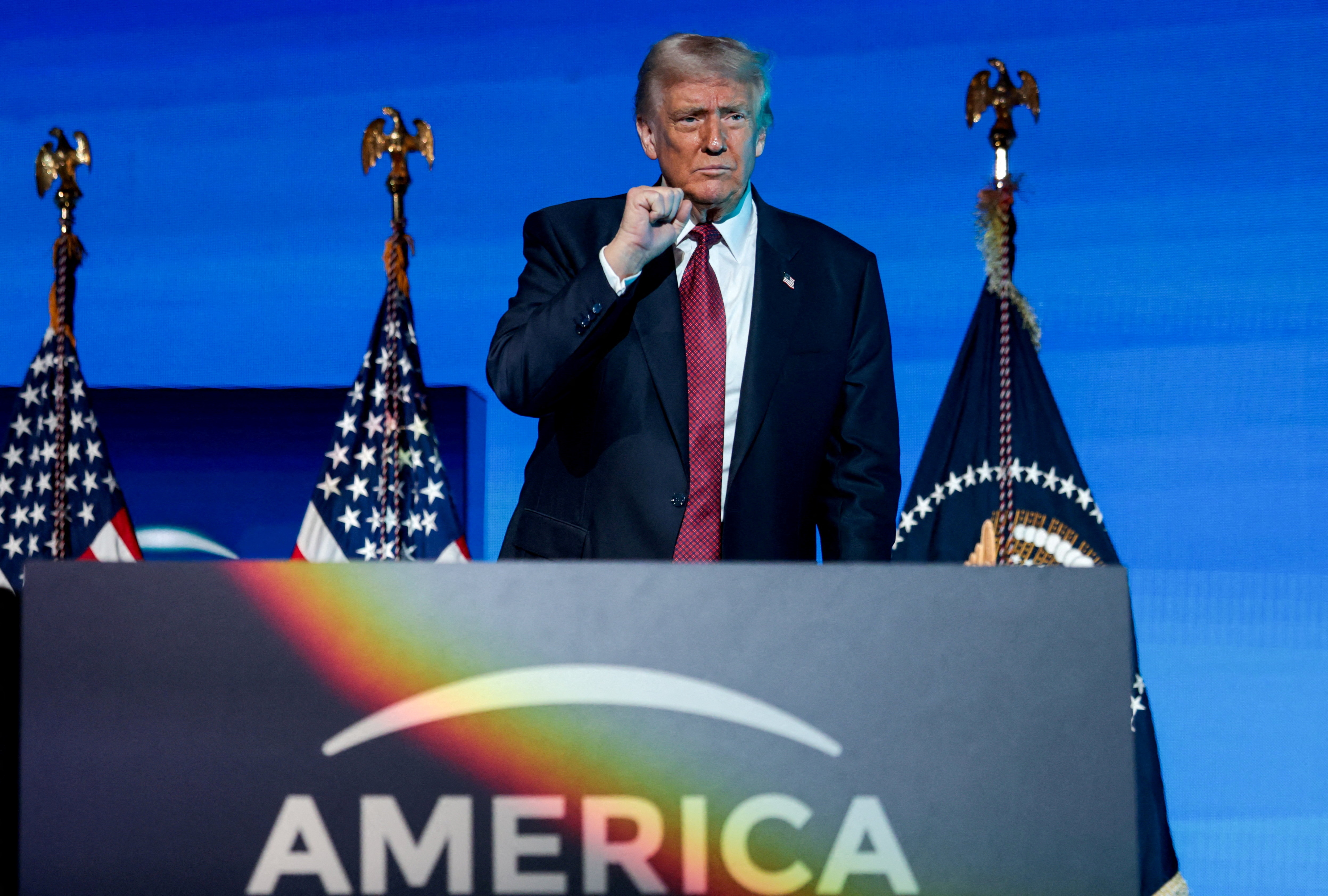
President Donald Trump asserts that he deserves the Nobel Peace Prize for resolving eight international conflicts during his presidency. However, this claim faces significant skepticism as conflicts have reignited in several regions, including the Democratic Republic of Congo and the Cambodia-Thailand border.
Here's an examination of the international disputes where Trump has intervened:
In the Armenia-Azerbaijan conflict, Trump facilitated a joint declaration on August 8 between the leaders of both nations, pledging to seek peaceful relations. Trump reportedly told them, "I'm not going to do a trade deal if you guys are going to fight." While the two countries had previously committed to a ceasefire in 2023 and agreed on a draft peace agreement text in March, no formal treaty has been signed. The White House-brokered declaration lacks legally binding obligations, and constitutional issues remain unresolved. The agreement did grant the U.S. development rights to a strategic transit corridor through southern Armenia, named after Trump.
Regarding Cambodia and Thailand, despite Trump's mediation efforts, tensions have escalated. Thailand's fighter jets struck Cambodia on Monday, derailing the fragile ceasefire Trump had brokered. The U.S. president had initially withheld tariff deals with both countries until their five-day military conflict ended in July. Though Trump oversaw a ceasefire agreement signing in Malaysia in October and imposed a reduced 19% tariff on both countries' exports to the U.S., hostilities have since resumed.
In the Middle East, Israel and Hamas agreed to the first phase of a Trump-brokered hostage and ceasefire deal in October, a significant step toward ending the two-year Gaza war that has claimed over 67,000 Palestinian lives. However, both sides have accused each other of violating the truce, and major issues remain unresolved. Trump has also worked to expand the Abraham Accords from his first term to normalize Israel-Arab relations. Regarding Iran, Trump initially pursued nuclear program talks before joining Israel in bombing Iranian nuclear sites on June 22, then pressed for a Qatar-mediated ceasefire. The situation remains unstable, with Iran continuing uranium enrichment and Israel threatening further strikes.
In the Rwanda-Democratic Republic of Congo conflict, the Rwanda-backed M23 rebel group has gained more territory in eastern Congo despite a U.S.-brokered peace agreement signed on June 27. Fighting continues even after Trump brought the leaders of both nations to Washington to sign additional commitment documents. Congolese President Felix Tshisekedi has accused Rwanda of violating its commitments. Trump has warned of "very severe penalties" for agreement violations, as the U.S. seeks access to Congo's critical minerals amid competition with China.
When nuclear-armed India and Pakistan clashed in May following an attack in India that Delhi blamed on Islamabad, U.S. officials feared escalation. Secretary of State Marco Rubio and Vice President JD Vance, consulting with Trump, asked both countries to de-escalate. A ceasefire was announced on May 10 after four days of fighting, though it addressed few long-standing issues. Trump claimed he secured the deal by threatening trade cuts, but India disputed that U.S. pressure or trade concerns influenced the truce.
Regarding Egypt and Ethiopia's dispute over the Grand Ethiopian Renaissance Dam, which Cairo considers a national security threat to its Nile water supplies, Trump stated in July, "We're working on that one problem, but it's going to get solved." White House spokeswoman Karoline Leavitt later included this conflict among those "the president has now ended." However, Ethiopia's Prime Minister opened the dam in September despite objections from both Sudan and Egypt, whose president vowed to protect his country's interests. Trump's specific actions remain unclear, though he has generally echoed Cairo's concerns.
Kosovo and Serbia continue to have tense relations nearly five years after Trump brokered agreements to improve their economic ties during his first term. Without providing evidence, Trump claimed in June that he "stopped" war between the countries and would "fix it, again" in his second term. Kosovo's president stated in July that Trump had prevented further escalation "over the last few weeks," though she provided no details, and Serbian President Aleksandar Vucic denied any looming escalation.
In the Russia-Ukraine war, Trump, who claimed during his 2024 campaign that he could solve the conflict "in one day," has been unable to end the nearly four-year-old conflict. "I thought this was going to be one of the easier ones," Trump admitted in August, "It's actually one of the most difficult." After imposing sanctions on Russia's two biggest oil companies in October, Trump has recently pressed Ukrainian President Volodymyr Zelenskiy to accept a peace deal that European leaders fear might favor Moscow.
Regarding the Korean Peninsula, Trump has expressed interest in meeting with North Korean leader Kim Jong Un again. "We'll come back, and we'll, at some point in the not-too-distant future, meet with North Korea," Trump told reporters in October during a South Korea visit. Despite holding three summits with Kim during his first term and exchanging what Trump called "beautiful" letters, diplomatic efforts collapsed over U.S. demands for North Korea's denuclearization. North Korea has since expanded its missile and nuclear capabilities, with Trump now acknowledging it as a "nuclear power." In September, Kim indicated openness to talks with Washington if it abandoned demands for nuclear disarmament.
Source: https://www.ndtv.com/world-news/factbox-donald-trump-says-hes-solved-many-wars-has-he-9775046