
Louvre Museum Crisis: Water Leak Damages Hundreds of Egyptian Documents Following Major Jewel Heist
- Date & Time:
- |
- Views: 41
- |
- From: India News Bull
France:
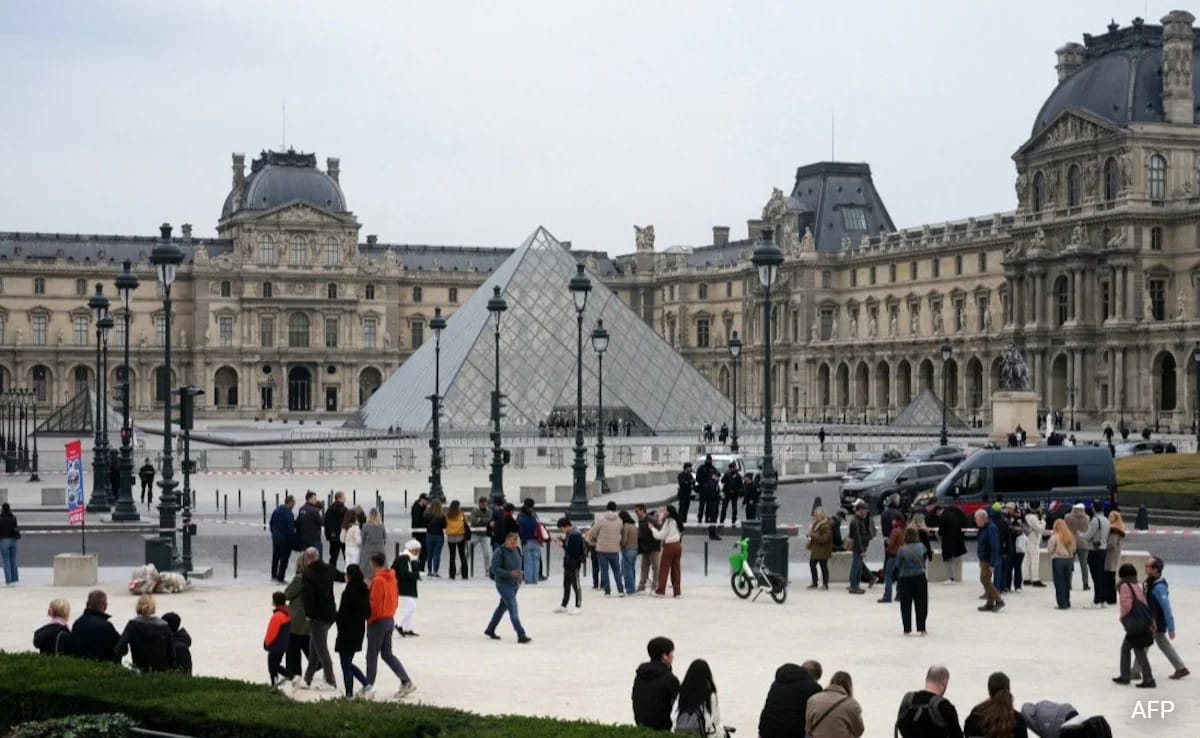
The prestigious Louvre Museum in Paris has reported that a water leak occurring in late November caused damage to approximately 300-400 works within its Egyptian department. This unfortunate incident was disclosed to AFP on Sunday, coming just weeks after the museum experienced a brazen jewel heist that had already raised significant concerns about its infrastructure security.
Deputy Administrator Francis Steinbock clarified that the affected items were primarily "Egyptology journals" and "scientific documentation" utilized by researchers. These materials, dating from the late 19th and early 20th centuries, while described as "extremely useful" for scholarly purposes, are "by no means unique" according to Steinbock.
He emphasized that "no heritage artifacts have been affected by this damage," further stating that "at this stage, we have no irreparable and definitive losses in these collections."
This water damage incident follows the shocking October heist where a four-person gang executed a daylight raid on the world's most-visited art museum. The thieves managed to steal jewelry valued at approximately $102 million in merely seven minutes before escaping on scooters, igniting debate about the museum's aging infrastructure.
The Louvre administration has announced an internal investigation into the November leak. According to officials, the incident resulted from the accidental opening of a valve in the heating and ventilation system, causing water to seep through the ceiling of the Mollien wing where the books were stored.
Steinbock noted that the "completely obsolete" system has been inactive for months and is scheduled for replacement beginning September 2026. Regarding the damaged works, he explained they will "be dried, sent to a bookbinder to be restored, and then returned to the shelves."
In related news, the Louvre announced in late November that it would implement price increases for most non-EU visitors. This means tourists from countries including the United States, United Kingdom, and China will face entrance fees of 32 euros ($37).
The museum informed AFP that this 45-percent price increase aims to boost annual revenues by up to $23 million, with funds designated for much-needed structural improvements at the cultural institution.
As the world's most-visited museum, the Louvre welcomed 8.7 million visitors in 2024, with 69 percent coming from international locations.
Source: https://www.ndtv.com/world-news/weeks-after-louvre-jewel-heist-water-leak-damages-400-egyptian-artifacts-9768089