
Chinese Businesswoman Gives Rs 3.6 Crore To Employee To Settle Divorce
- Date & Time:
- |
- Views: 66
- |
- From: India News Bull
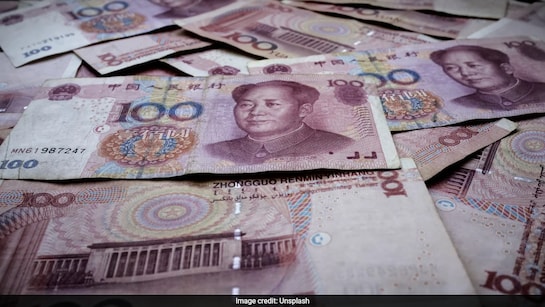
A businesswoman in China, Ms. Zhu, gifted her younger employee 3 million yuan (approximately Rs 3.6 crore) to facilitate his divorce and provide compensation to his wife.
Ms. Zhu, who owns a company in Chongqing, developed romantic feelings for her employee, Mr. He, despite both individuals being married. According to the South China Morning Post (SCMP), they became involved in an extramarital relationship.
As their relationship progressed, they began planning a future together, which included strategies for ending their respective marriages. Mr. He and his wife, Ms. Chen, had a child together, prompting Ms. Zhu to provide the substantial sum to compensate his wife.
After cohabitating for approximately one year, the couple decided to separate, realizing they were incompatible. Following their breakup, Ms. Zhu requested that Mr. He and his wife return the Rs 3.6 crore. When the couple refused, Ms. Zhu initiated legal proceedings.
The initial court ruling favored Ms. Zhu, with judges determining that the monetary gift violated "public order and good customs" and was therefore invalid. The court ordered Mr. He and Ms. Chen to reimburse Ms. Zhu.
However, Mr. He and Ms. Chen appealed this decision. The higher court reversed the initial ruling, stating that Ms. Zhu failed to provide sufficient evidence that she had given the money as a gift to Ms. Chen specifically. Consequently, her claim for reimbursement was rejected.
The appellate court clarified that the 3 million yuan was not a personal gift from Ms. Zhu but rather funds provided on behalf of Mr. He for divorce compensation and child support. The court also noted that Ms. Zhu's request for reimbursement after financing the divorce proceedings was unethical.
In a similar case from 2022, another Chinese woman paid 1.2 million yuan (approximately Rs 1.4 crore) to a married man's wife as a "divorce fee" to persuade her to end the marriage. Although the wife initially accepted the payment, she subsequently refused to proceed with the divorce.