
Trump Administration Implements Sweeping Immigration Restrictions Following National Guard Shooting
- Date & Time:
- |
- Views: 68
- |
- From: India News Bull
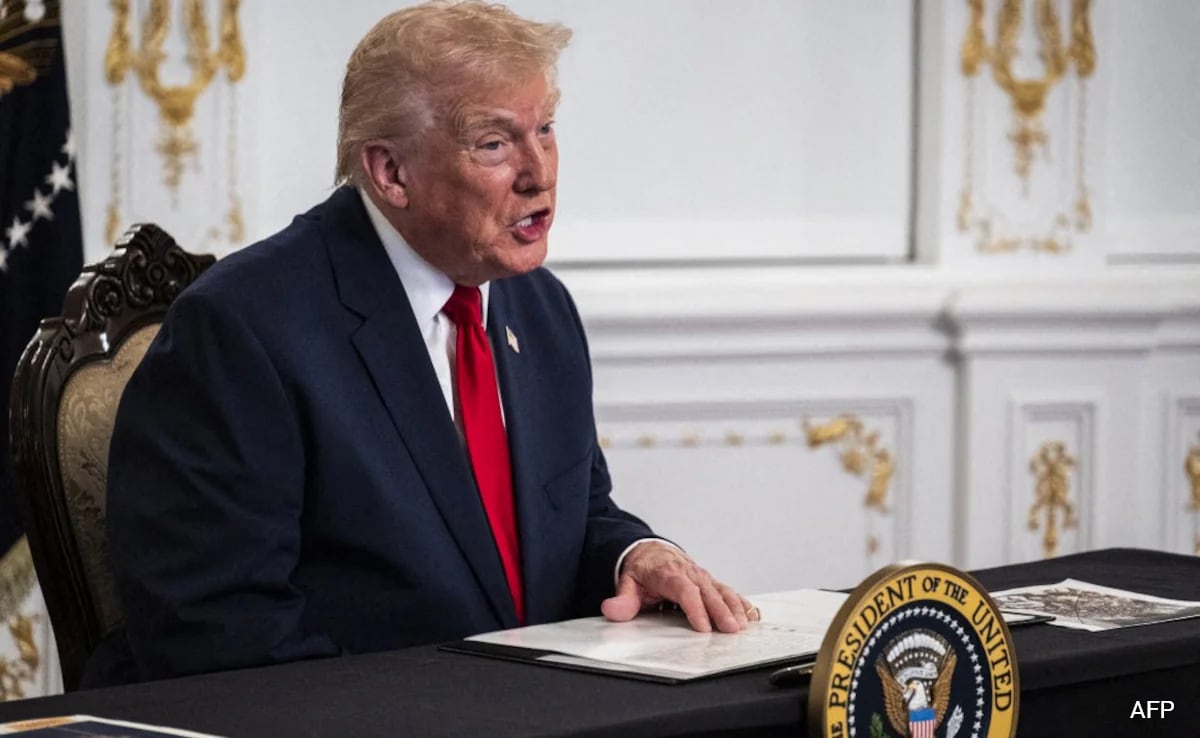
The Trump administration has announced a series of immigration restrictions following the shooting of two National Guard members in Washington by an Afghan national suspect.
Washington:
In response to last week's shooting of two National Guard members in the capital by an Afghan national suspect, the Trump administration has implemented multiple policies restricting foreign entry and residency in the United States.
The administration announced a pause on asylum decisions, a review of green card applications from "countries of concern," and a suspension of visas for Afghan nationals who supported US military operations.
Prior to the shooting, an internal memo obtained by The Associated Press revealed plans to review all refugee cases admitted during the Biden administration.
Refugee advocates and organizations working with Afghans have strongly criticized these measures, describing them as collective punishment. Critics also argue that reopening previously processed cases wastes government resources.
The Trump administration maintains these new policies are essential for national security, ensuring individuals entering or already residing in the country do not pose security threats.
Here's a breakdown of the major policy changes announced within approximately one week:
US Citizenship and Immigration Services Director Joseph Edlow announced on social media platform X that asylum decisions would be paused "until we can ensure that every alien is vetted and screened to the maximum degree possible."
Beyond this statement, no formal guidance has been issued, leaving many details about the pause unclear.
Asylum seekers must demonstrate to US officials that they face persecution if returned to their home countries based on factors such as race, nationality, or other grounds. Successful applicants may remain in the US and eventually apply for permanent residency and citizenship.
According to advocate group #AfghanEvac, the Afghan suspect in the National Guard shooting had received asylum earlier this year.
The right to seek asylum was already restricted by the Trump administration. In January, President Trump issued an executive order effectively stopping asylum for individuals entering through the southern border. Those cases typically proceed through immigration courts under Justice Department oversight.
USCIS manages asylum processes for foreigners not facing removal through immigration courts. While Trump's January order didn't affect these cases, Edlow's announcement suggests they will now undergo additional scrutiny. He did not specify the duration of the pause or what happens to applicants during this period.
Asylum applications of all types have been increasing. USCIS reports 1.4 million pending asylum cases, up from 241,280 in 2022 according to the Office of Homeland Security Statistics. Additionally, approximately 2.4 million asylum applications are pending in Justice Department immigration courts.
On November 27, Edlow announced a "full scale, rigorous reexamination" of every green card application from what he termed "every country of concern," stating that "American safety is non negotiable."
That same day, the agency released guidance potentially making it more difficult for applicants from 19 "high-risk" countries, including Afghanistan, to obtain immigration benefits such as green cards or extended stays.
The administration had previously banned US travel for citizens from 12 of these countries and restricted access for individuals from seven others.
More stringent measures specifically target Afghan nationals.
On November 26, USCIS announced suspension of all "immigration requests relating to Afghan nationals," affecting Afghans already in the US who are applying for green cards, work permits, or family reunification.
Additionally, Secretary of State Marco Rubio announced on X that the State Department had temporarily halted visa issuance for all travelers with Afghan passports.
The Trump administration had already severely limited Afghan travel and immigration. The Special Immigrant Visa program, created by Congress to allow Afghans who supported US war efforts to emigrate to America due to retribution risks, had remained open until now.
According to #AfghanEvac, approximately 180,000 Afghans were in the process of applying for the SIV program before this suspension.
Even before the National Guard shooting incident, the Trump administration planned a comprehensive review of tens of thousands of immigrants admitted during the Biden administration through the US Refugee Assistance Program.
This program, established in 1980, oversees the process for persecuted individuals to enter the United States. Unlike asylum seekers who apply after reaching US soil, refugees must apply and wait outside the country before admission.
Trump suspended the refugee program immediately upon taking office, with only a minimal number of refugees admitted since then, primarily white South Africans or individuals admitted through legal challenges to restart the program.
On November 21, in a memo obtained by The Associated Press, Edlow indicated the administration would review all refugees admitted during the Biden administration—nearly 200,000 people.
Advocates emphasize that refugees already undergo extensive vetting procedures.
On Monday evening, Homeland Security Secretary Kristi Noem suggested on X that additional restrictions might be forthcoming.
After meeting with Trump, Noem stated she was recommending a "full travel ban" on countries she claimed were sending "killers, leeches, and entitlement junkies" to the US.
Noem did not specify which countries would be affected, and no timeline was provided. The Department of Homeland Security stated via email on Monday, "We will be announcing the list soon."
Source: https://www.ndtv.com/world-news/shooting-of-guardsmen-prompts-flurry-of-us-immigration-restrictions-9734115