
Devastating Floods and Landslides Claim Over 1,100 Lives Across Southeast Asia
- Date & Time:
- |
- Views: 52
- |
- From: India News Bull
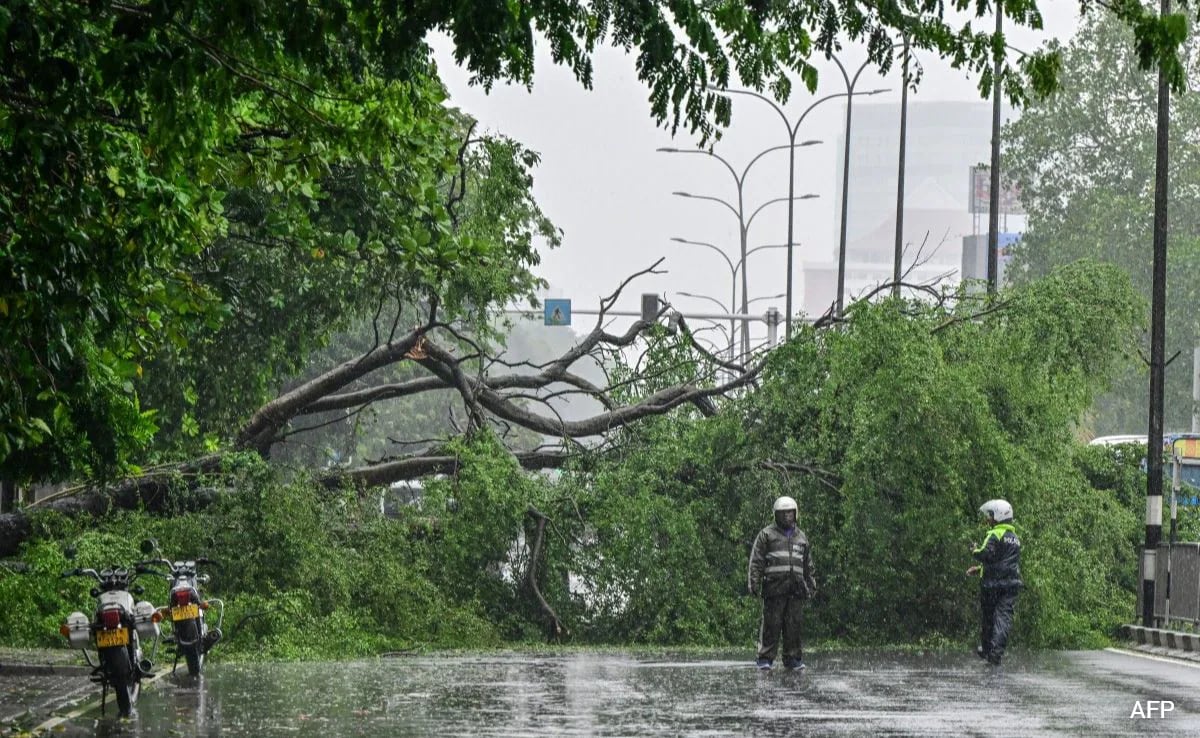
In Sri Lanka, the government has issued an international aid request as death tolls rise across Asia.
The fatalities from catastrophic flooding and landslides across Asian regions have exceeded 1,100 as of Monday, with Sri Lanka and Indonesia—the most severely affected countries—deploying military forces to assist survivors.
Distinct weather systems brought persistent, heavy rainfall to the entirety of Sri Lanka and substantial areas of Indonesia's Sumatra, southern Thailand, and northern Malaysia during the past week.
While much of the region is currently experiencing its typical monsoon season, climate change is generating more extreme precipitation events and intensifying storm systems.
The unrelenting downpours forced residents to seek refuge on rooftops while awaiting rescue via boats or helicopters, and completely isolated numerous villages from external assistance.
Indonesian President Prabowo Subianto, arriving in North Sumatra on Monday, expressed cautious optimism, stating "the worst has passed, hopefully."
He added that the government's "priority now is how to immediately send the necessary aid," particularly focusing on several isolated areas.
Prabowo faces mounting pressure to declare a national emergency in response to the disasters that have claimed at least 593 lives, with nearly 470 individuals still unaccounted for.
Unlike his Sri Lankan counterpart, Prabowo has refrained from publicly requesting international assistance.
This death toll represents the deadliest natural disaster in Indonesia since the massive earthquake and subsequent tsunami in 2018 that claimed over 2,000 lives in Sulawesi.
The Indonesian government has dispatched three warships carrying humanitarian supplies and two hospital ships to the most severely impacted regions, where numerous roadways remain impassable.
In North Aceh, Misbahul Munir, 28, described wading through neck-deep water to return to his parents.
"Everything in the house was destroyed because it was submerged," he told AFP.
"I have only the clothes I am wearing," he said tearfully.
"In other places, there were a lot of people who died. We are grateful that we are healthy."
In Sri Lanka, authorities have requested international assistance and utilized military helicopters to reach individuals stranded by flooding and landslides triggered by Cyclone Ditwah.
At least 355 people have perished, Sri Lankan officials reported on Monday, with an additional 366 still missing.
Floodwaters in Colombo reached their peak overnight.
With rainfall having ceased, hopes are growing that water levels will begin to recede. Some commercial establishments and offices have resumed operations.
The flooding caught many Colombo residents by surprise.
"Every year we experience minor floods, but this is something else," delivery driver Dinusha Sanjaya, 37, told AFP.
"It is not just the amount of water, but how quickly everything went under."
Officials indicated that the full extent of damage in the most severely affected central region is only beginning to emerge as relief workers clear roadways blocked by fallen trees and mudslides.
President Anura Kumara Dissanayake, who declared a state of emergency to address the disaster, described the flooding as the "largest and most challenging natural disaster in our history."
The casualties and destruction represent the worst in Sri Lanka since the devastating 2004 Asian tsunami that killed approximately 31,000 people there and left over a million homeless.
By Sunday afternoon, rainfall had diminished across Sri Lanka, but low-lying areas of the capital remained flooded, and authorities were preparing for a major relief operation.
Military helicopters have been deployed for airlifting stranded residents and delivering essential supplies. One helicopter crashed just north of Colombo on Sunday, resulting in the pilot's death.
The annual monsoon season frequently brings heavy precipitation, triggering landslides and flash floods.
However, the flooding that affected Indonesia, Thailand, and Malaysia was further exacerbated by an unusual tropical storm that deposited heavy rainfall particularly on Sumatra island.
The successive waves of rain caused flooding that claimed at least 176 lives in southern Thailand, authorities reported Monday, one of the deadliest flood events in the country in a decade.
The government has implemented relief measures, but public criticism of the flood response has intensified, leading to the suspension of two local officials over their alleged failures.
Across the border in Malaysia, where heavy rains also inundated large areas in Perlis state, two people lost their lives.
Source: https://www.ndtv.com/world-news/over-1-100-killed-across-asia-amid-deadly-flooding-landslides-9731264