
Delhi's Air Quality Crisis: North India Battles Toxic Smog Throughout November
- Date & Time:
- |
- Views: 71
- |
- From: India News Bull
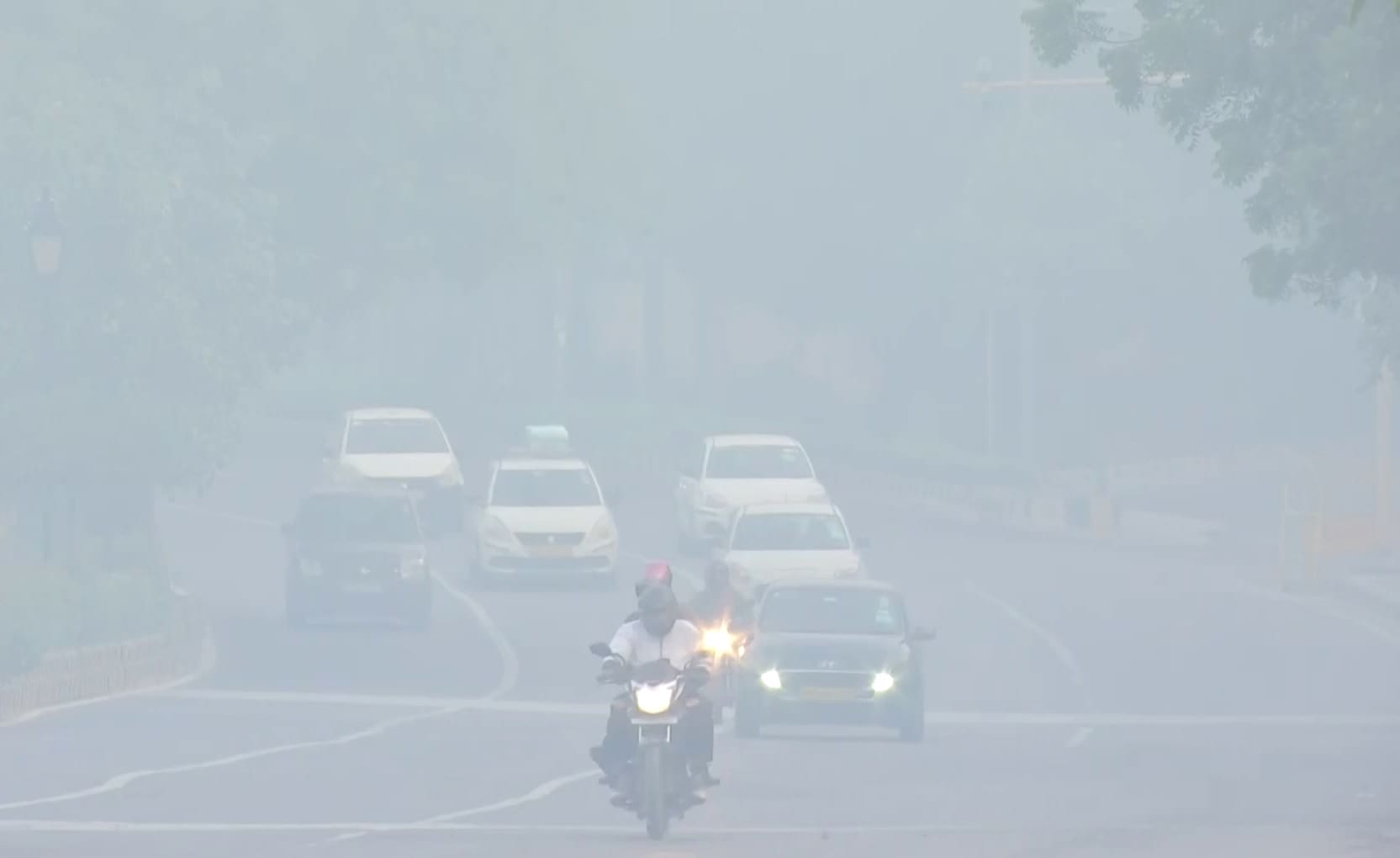
Vehicles travel on the INA flyover beneath a blanket of toxic smog covering the city.
New Delhi's struggle for breathable air has reached critical levels. Residents across the capital are protesting against the persistent toxic smog as air quality remains consistently in the 'very poor' to 'severe' range for consecutive weeks. Medical professionals have issued stark warnings, stating that even healthy individuals face health risks from breathing Delhi's air, while advising those with existing respiratory or cardiovascular conditions to consider leaving the city temporarily.
Educational institutions have transitioned to online learning modes, and authorities have implemented emergency protocols including work-from-home directives and construction bans. However, citizens express that these interventions fall significantly short of addressing the crisis effectively.
The air quality index (AQI) data from the Central Pollution Control Board (CPCB) today reveals that approximately 9 percent of the 240 monitored cities - 22 locations - fall into the 'very poor' category with AQI measurements between 301 and 400. These heavily polluted areas are predominantly concentrated in North India.
While no cities currently register in the 'severe' category, 13 percent of monitoring stations report 'poor' air quality (AQI 201-300). A positive note emerges as 21 cities maintain 'good' category status with AQI readings below 50.
Hapur currently heads the list of most polluted cities with an alarming AQI of 389, followed closely by Noida (373), Greater Noida (364), Manesar (356), and Delhi (353) - all within the National Capital Region (NCR). Within Delhi itself, Rohini registers as the most severely affected locality. The government has enacted GRAP Stage 4 restrictions, typically triggered when AQI exceeds 400, despite Delhi's current measurement slightly below this threshold.
The pollution crisis extends beyond the NCR, with Angul, Cuttack, and Singrauli also featuring among the ten most polluted cities nationwide.
November has witnessed persistent smog conditions across the NCR region, with Delhi and surrounding cities consistently recording hazardous air quality levels, frequently surpassing the 'Very Poor' threshold of 300.
November 11 marked the month's worst day for air quality, with Delhi reaching 428 and Greater Noida 406. Hapur, Noida, and Greater Noida have consistently dominated pollution rankings throughout the month. Interestingly, Manesar maintained relatively better air quality in early November, with AQI readings of 120 on November 4 and 128 on November 6, while other NCR cities struggled with much higher pollution levels. However, Manesar's conditions deteriorated significantly later in the month, surpassing 300 on November 20 and reaching 356 by November 25, placing it among today's five most polluted cities.
Despite the implementation of emergency interventions, North India's air quality crisis shows little sign of improvement. With AQI levels persistently in the 'very poor' range for weeks, the region faces an urgent public health emergency requiring more robust and sustainable long-term solutions.
Source: https://www.ndtv.com/india-news/air-emergency-delhi-nearby-areas-gasped-for-breath-all-through-november-9698475