
India's New Labour Codes: PM Modi Hails Historic Reforms for Worker Empowerment and Economic Growth
- Date & Time:
- |
- Views: 57
- |
- From: India News Bull
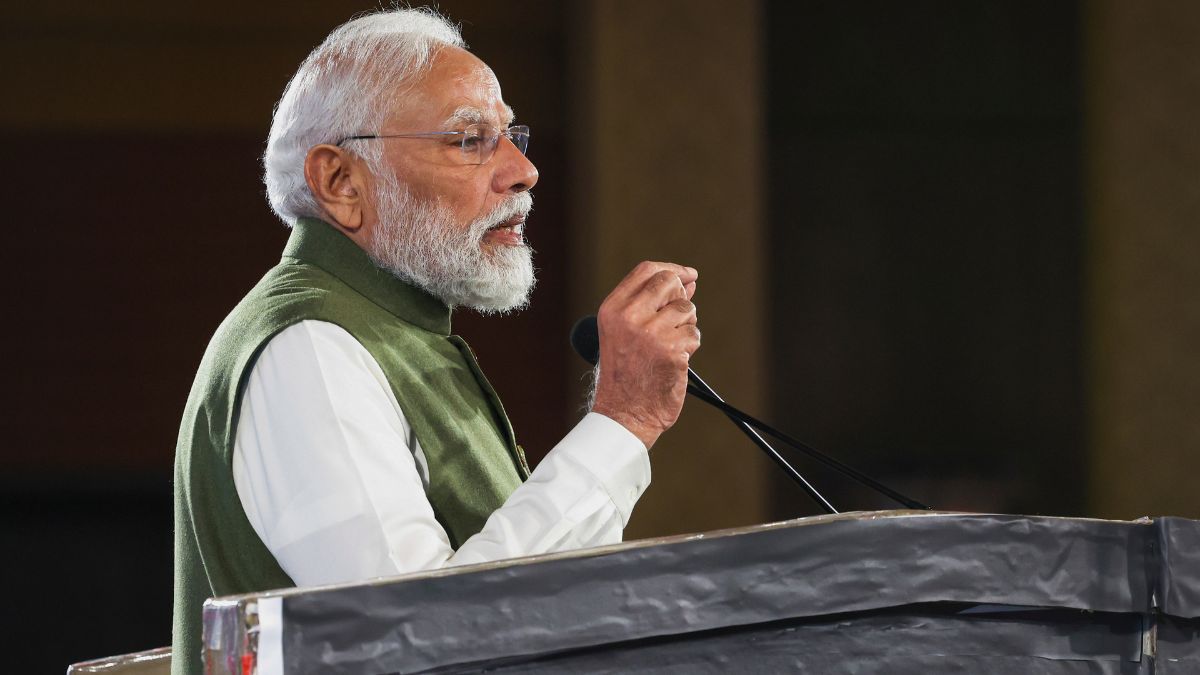
Prime Minister Narendra Modi announced that the four new labour codes, implemented from today, establish a robust foundation for universal social security and will safeguard workers' rights.
The implementation includes the Code on Wages, 2019, the Industrial Relations Code, 2020, the Code on Social Security, 2020, and the Occupational Safety, Health and Working Conditions Code, 2020.
"Shramev Jayate! Today, our Government has given effect to the Four Labour Codes. It is one of the most comprehensive and progressive labour-oriented reforms since Independence. It greatly empowers our workers. It also significantly simplifies compliance and promotes 'Ease of Doing Business'," Prime Minister Modi shared on X.
The Prime Minister further emphasized that these four labour codes will guarantee minimum and timely wage payments, along with secure workplaces and rewarding opportunities, particularly for women and youth.
"These Codes will serve as a strong foundation for universal social security, minimum and timely payment of wages, safe workplaces and remunerative opportunities for our people, especially Nari Shakti and Yuva Shakti," stated the PM.
He added that these reforms would enhance job creation, increase productivity, and accelerate India's progress toward becoming a developed nation.
"It will build a future-ready ecosystem that protects the rights of workers and strengthens India's economic growth. These reforms will boost job creation, drive productivity and accelerate our journey towards a Viksit Bharat," he noted.
In a landmark decision, the Government of India has declared that the four Labour Codes - the Code on Wages, 2019, the Industrial Relations Code, 2020, the Code on Social Security, 2020, and the Occupational Safety, Health and Working Conditions Code, 2020 - will take effect from November 21st, streamlining 29 existing labour laws.
This significant move modernizes labour regulations, improves workers' welfare, and aligns the labour ecosystem with contemporary work dynamics, creating the groundwork for a future-ready workforce and stronger, resilient industries driving labour reforms for Aatmanirbhar Bharat.
According to an official statement from the Ministry of Labour and Employment, many of India's labour laws were established during pre-Independence and early post-Independence periods (1930s-1950s), when the economy and work environment were fundamentally different. While major economies worldwide have updated and consolidated their labour regulations in recent decades, India continued operating under fragmented, complex, and partly outdated provisions across 29 Central labour laws.
These restrictive frameworks struggled to keep pace with changing economic realities and evolving employment forms, creating uncertainty and increasing compliance burdens for both workers and industry. The implementation of the four Labour Codes addresses this long-standing need to move beyond colonial-era structures and align with modern global trends.
Together, these Codes empower both workers and enterprises, developing a workforce that is protected, productive, and aligned with the evolving world of work - paving the way for a more resilient, competitive, and self-reliant nation.
Source: https://www.ndtv.com/india-news/greatly-empowers-our-workers-pm-modi-on-implementation-of-labour-codes-9678800