
Supreme Court Establishes Guidelines for Proper Criticism of Judiciary in Contempt Case
- Date & Time:
- |
- Views: 53
- |
- From: India News Bull
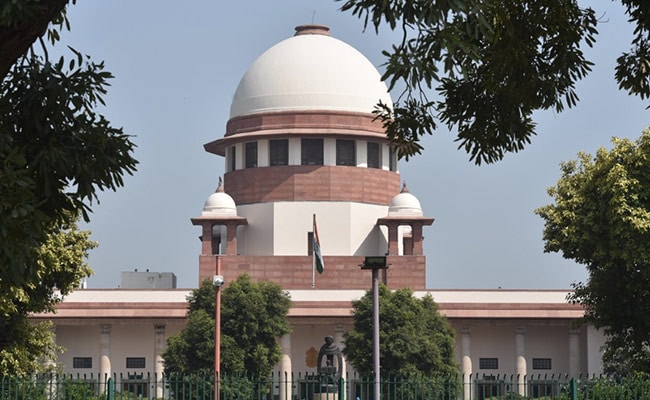
The Supreme Court on Wednesday stated that while criticism of the judiciary is acceptable, it should not involve sweeping allegations of any nature.
A three-judge bench comprising Justices Surya Kant, Ujjal Bhuyan and N Kotiswar Singh cautioned social activist Pardeep Sharma regarding allegations he made against Punjab and Haryana High Court judges.
"You have raised several good causes, but you can't make sweeping allegations against anyone. We don't mind criticism of the judiciary, but it should be in the proper way," the bench advised the petitioner's counsel.
The counsel informed the court that the high court had directed the planting of tree saplings while purging the contempt after Sharma tendered an unconditional apology.
Justice Kant remarked that Chandigarh greatly needed greenery, expressing approval of the high court's directive.
In its order, the Supreme Court noted, "Counsel for the petitioner informs that in deference to the order dated September 15, 2025, the petitioner had tendered an unconditional apology as well as an undertaking before the high court. Demonstrating magnanimity, the high court has accepted the unconditional apology and has discharged the petitioner from the contempt proceedings."
The top court subsequently disposed of Sharma's plea challenging the high court order.
On September 15, the Supreme Court acknowledged senior advocate Devadatt Kamat's submission that Sharma genuinely regretted sending emails between 2023-2025, which violated an undertaking previously given by his family members to the high court via affidavit.
The court noted that this undertaking was documented in the high court's order dated May 29, 2023.
Kamat had submitted that the petitioner was prepared to tender an unconditional apology through affidavit before both the high court and the Supreme Court.
The bench observed, "Though it is explained that none of the emails were posted in the public domain, however, the petitioner wishes to give an undertaking that he shall not do so in future and will further pray before the high court to file/close all the emails earlier sent by him."
The court ordered that subject to Sharma filing undertakings via affidavits before the high court division bench on September 17, 2025, as well as before the Supreme Court, the high court could forgive the petitioner and take a lenient view, aiming to close the suo motu proceedings without taking coercive action against him, subject to appropriate terms and conditions.
Source: https://www.ndtv.com/india-news/dont-mind-criticism-of-judiciary-but-should-be-in-proper-way-top-court-9666057