
Major Pipeline Damage Disrupts Mumbai's CNG Supply: Restoration Expected by Tuesday Noon
- Date & Time:
- |
- Views: 62
- |
- From: India News Bull
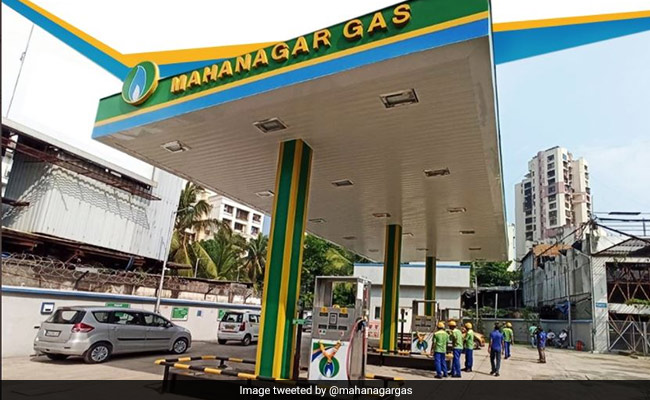
Mumbai's CNG stations experienced extensive queues for refueling on Monday following damage to a major gas pipeline, disrupting supply and affecting thousands of vehicles including autorickshaws and taxis across the city.
Mahanagar Gas Limited (MGL) announced that compressed natural gas supply to Mumbai's fueling stations would be fully restored by Tuesday noon. The company confirmed that approximately 60 percent of their CNG stations (225 out of 389) remained operational during the disruption.
In an official statement, MGL explained: "Due to the stoppage of gas supply in CGS Wadala, and thereby the MGL pipeline network, a few CNG stations in Mumbai, Thane, and Navi Mumbai are not operational. The rectification work is in progress and the restoration of gas supply is expected by tomorrow, i.e. by 18th November 2025, noon."
MGL assured that residential piped natural gas supply remained uninterrupted throughout the crisis.
However, a representative from a local petrol dealers' organization contradicted this assessment, stating that numerous CNG stations across Mumbai had remained closed since morning due to insufficient gas pressure.
The supply disruption has significantly impacted Mumbai's transportation ecosystem, which heavily relies on CNG. Affected vehicles include autorickshaws, taxis (including those operated by aggregators like Ola and Uber), and some public transport buses.
According to MGL's Sunday night statement, the disruption originated from third-party damage to GAIL's main gas supply pipeline within the Rashtriya Chemicals and Fertilisers (RCF) compound, affecting flow to the City Gate Station at Wadala, a critical entry point for Mumbai's gas supply.
Petrol Dealers Association (Mumbai) president Chetan Modi informed PTI: "I have kept my own pump shut since morning as there is no pressure. Mumbai has 130 to 140 CNG pumps, including MGL's own facilities, but many have been non-functional since morning."
The disruption extended to school transportation services as well. Anil Garg, a school bus operators' association leader, reported that approximately 2000 school buses had to halt operations due to CNG unavailability. This forced operators to combine routes and employ luxury buses from private contractors at significant expense—around Rs 12000 for two 10-kilometer trips.
MGL stated it had prioritized supply to residential consumers to ensure uninterrupted Piped Natural Gas availability to households, while advising industrial and commercial consumers in affected areas to temporarily switch to alternative fuels.
Taxi and autorickshaw union representatives reported that drivers spent considerably more time in CNG station queues due to the outage. Mumbai Taximen's Association leader DA Salian predicted that while some taxis operated Monday after refueling the previous day, the majority would likely remain off roads on Tuesday as they exhausted their fuel reserves.
Shashank Rao of Mumbai Autorickshaw-Taximens Association formally requested that Maharashtra Transport Minister Pratap Sarnaik direct MGL to provide compensation for drivers losing two days' income due to the supply disruption.
A petrol station dealer noted that many ride-hailing service vehicles temporarily switched to petrol operation, but traditional black-and-yellow taxis without petrol capability were unable to operate at all.
The Mumbai Metropolitan Region contains approximately 398 CNG pumps, with 152 located within Mumbai city proper.
Brihanmumbai Electric Supply and Transport (BEST) undertaking, which operates around 1,250 CNG buses within its 2,700-vehicle fleet, officially stated that its operations remained unaffected by the CNG supply disruption. However, sources indicated that many BEST buses experienced delays leaving depots and had to truncate routes due to CNG supply issues at certain depots.
Source: https://www.ndtv.com/india-news/pipeline-damage-cripples-mumbais-cng-supply-restoration-expected-tomorrow-9652802