
Delhi Blast Investigation: TATP 'Mother of Satan' Explosive Suspected in Deadly Attack Near Red Fort
- Date & Time:
- |
- Views: 62
- |
- From: India News Bull
New Delhi:
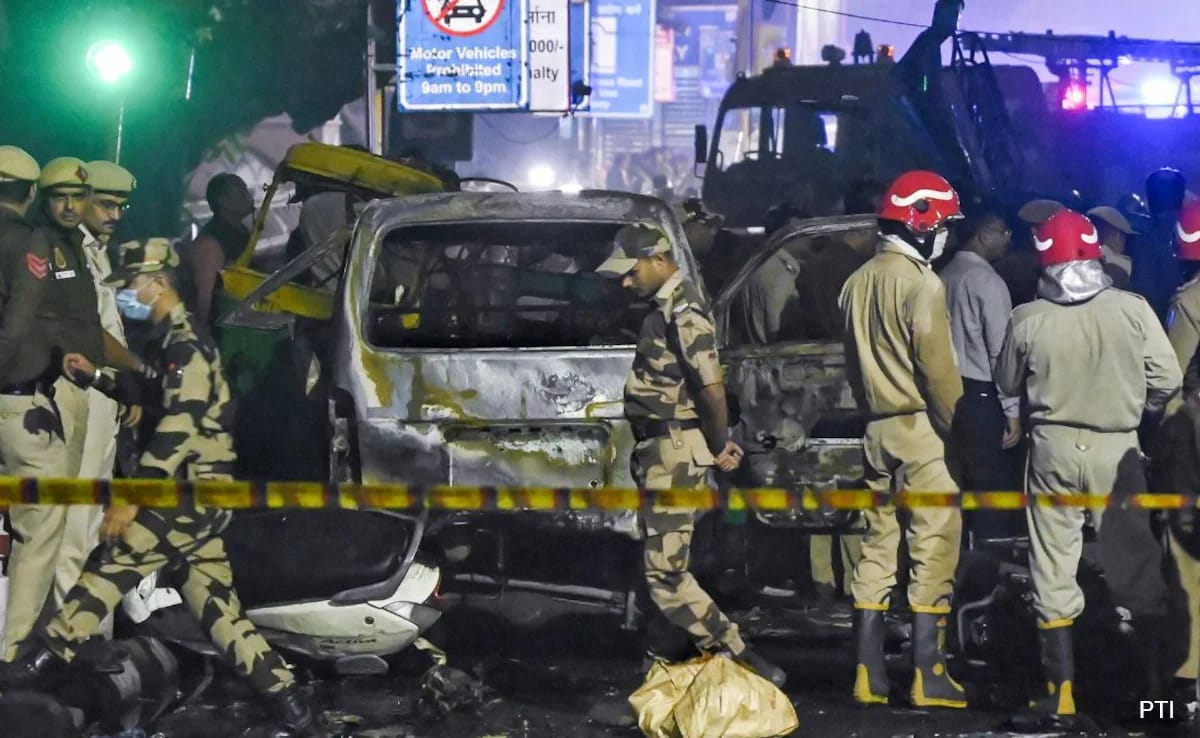
Investigators suspect that an exceptionally unstable explosive known as the 'Mother of Satan' was likely utilized in the blast that devastated central Delhi one week ago. Triacetone triperoxide (TATP) has the capability to detonate merely from heat exposure, without requiring any detonator, according to officials. Forensic experts are currently working to verify if TATP was indeed responsible for the deadly explosion.
Authorities had previously considered ammonium nitrate as the potential explosive used in the November 10 blast involving an i20 car near the Red Fort, which claimed 13 lives and injured approximately two dozen people. The vehicle was driven by Umar Mohammad, a doctor allegedly connected to the Pakistan-based terrorist organization Jaish-e-Mohammad.
Investigation teams believe Umar was cognizant of TATP's volatile nature before entering the densely populated area—the explosion occurred adjacent to Chandni Chowk, one of Old Delhi's most crowded districts.
The 'Mother of Satan'
TATP is characterized by experts as extremely sensitive. Any environmental change including friction, pressure, or temperature elevation can destabilize the compound and trigger detonation. Unlike ammonium nitrate, which maintains both chemical and thermal stability requiring external detonation, TATP needs no separate detonator.
This explosive earned its notorious nickname 'Mother of Satan' due to its prevalent use by illicit bomb manufacturers worldwide. The compound was detected following several major terrorist incidents including the 2017 Barcelona attacks, 2015 Paris attacks, 2017 Manchester bombing, and 2016 Brussels bombings. Those who create such explosives are believed to have received some form of terrorist training.
TATP Used In Delhi Blast?
The explosion site displays damage patterns consistent with TATP's characteristics, which is known for generating powerful shockwaves. Forensic teams are currently analyzing residue to confirm TATP presence. The blast's intensity suggests the explosive either encountered heat or became unstable inside the vehicle. Investigators are examining whether the detonation occurred accidentally while the material was being transported for use in a potentially larger terrorist operation.
Authorities are also investigating how Umar acquired the chemicals necessary for TATP production, as it requires multiple ingredients. They are probing whether he received support from a broader network or if others participated in preparing the explosive. Police and central agencies are examining digital trails, movement records, and communication history to map Umar's pre-blast activities.
The November 10 timeline reconstructed by officials indicates that Umar drove through Old Delhi's busy streets for an extended period before the explosion. If TATP presence is confirmed, investigators must also determine how the compound remained stable in the vehicle for several hours before detonating.
Three of Umar's colleagues—Shaheen Saeed, Muzammil Shakeel, and Adil Rather—all doctors at Al Falah University in Faridabad, have been arrested in connection with the incident. An investigation is underway to determine if they were planning coordinated serial blasts throughout the National Capital Region (NCR).
Authorities recovered nearly 3,000 kg of explosives and bomb-making materials from residences rented by the suspects, indicating a sinister plot being developed by the Jaish-linked terror cell. A rifle and ammunition were also discovered in Saeed's vehicle, with her recent passport verification suggesting possible plans to flee the country.
Source: https://www.ndtv.com/india-news/delhi-red-fort-blast-mother-of-satan-triacetone-triperoxide-tatp-ammonium-nitrate-9644086