
Tamil Nadu Challenges Presidential Rejection of NEET Exemption Bill in Supreme Court: Constitutional Battle Over Medical Admissions
- Date & Time:
- |
- Views: 50
- |
- From: India News Bull
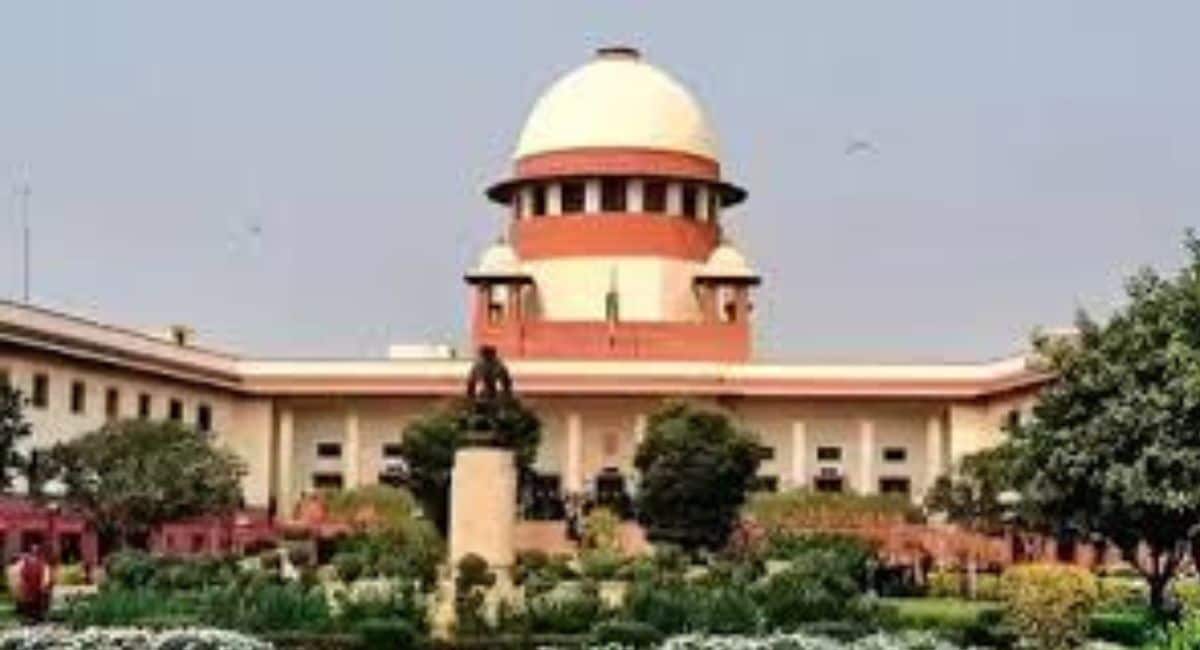
The Tamil Nadu government has filed a petition in the Supreme Court challenging the President's decision to withhold assent to their NEET Exemption Bill, which was unanimously passed by the State Assembly.
The legislation seeks to restore medical college admissions based on Class XII marks instead of the national entrance test requirement.
In its petition, the State government describes the President's decision as "patently unconstitutional and arbitrary," arguing that withholding assent without providing reasons violates Articles 201 and 254(2) of the Constitution and creates a "grave constitutional impasse."
The Bill was passed twice and forwarded under provisions that would allow a State law on a concurrent subject to prevail over a Central law if it receives Presidential assent.
The Tamil Nadu government contends that the President's refusal appears to be mechanically based on the Union Government's advice, despite detailed clarifications previously submitted by the state. This action, according to the petition, undermines the federal balance and effectively renders Article 201 meaningless, severely limiting states' autonomy to legislate on matters within their jurisdiction.
Tamil Nadu argues that the withholding of assent contradicts similar earlier decisions and erodes constitutional consistency. The petition highlights other instances where Presidents have approved State laws that conflicted with Central legislation, including Tamil Nadu's Jallikattu law and labor law amendments in several states.
During the UPA government, President APJ Abdul Kalam granted Tamil Nadu exemption from entrance tests for medical admissions, enabling the state to implement its Class XII-based admission system.
Tamil Nadu maintains its long-standing position that NEET disproportionately benefits affluent students who can afford expensive private coaching, while disadvantaging high-performing but economically disadvantaged, rural, and government-school students. The Justice AK Rajan Committee, which analyzed over 80,000 responses, found that NEET had systematically excluded disadvantaged groups and skewed admissions heavily in favor of students who could afford coaching centers and multiple attempts.
In its petition, the state emphasizes that for nearly a decade before NEET became mandatory, Tamil Nadu had successfully operated without entrance tests for medical admissions, relying solely on Class XII marks with scientific normalization methods. This system, they argue, produced high-quality doctors and strengthened public healthcare outcomes.
Politically, with the exception of the BJP, all parties in Tamil Nadu, including opposition parties, strongly support NEET exemption, describing it as essential to protect social justice and ensure equitable access to medical education.
Anti-NEET activists argue that the exam primarily benefits private medical colleges, many operated by politicians, by ensuring a steady stream of students willing to pay prohibitively expensive fees that only wealthy families can afford. They point out that even students with low NEET scores and weak Class XII performance can gain admission if they can pay these hefty fees. NEET supporters, however, maintain that the test rewards critical thinking and application-based learning, producing better-trained doctors.
Tamil Nadu has asked the Supreme Court to declare the President's withholding of assent unconstitutional and to consider the Bill as having received assent under Article 254(2). Alternatively, they seek a direction to the Union Government to resubmit the Bill to the President for fresh consideration.
Source: https://www.ndtv.com/india-news/tamil-nadu-goes-to-top-court-against-president-not-clearing-neet-exemption-bill-9643156