
Bihar Election Results 2025: How NDA's Hope-Driven Campaign Secured Historic Victory
- Date & Time:
- |
- Views: 62
- |
- From: India News Bull
Decoding Bihar's Political Landscape: NDA Secures Sweeping Victory in 2025 Elections
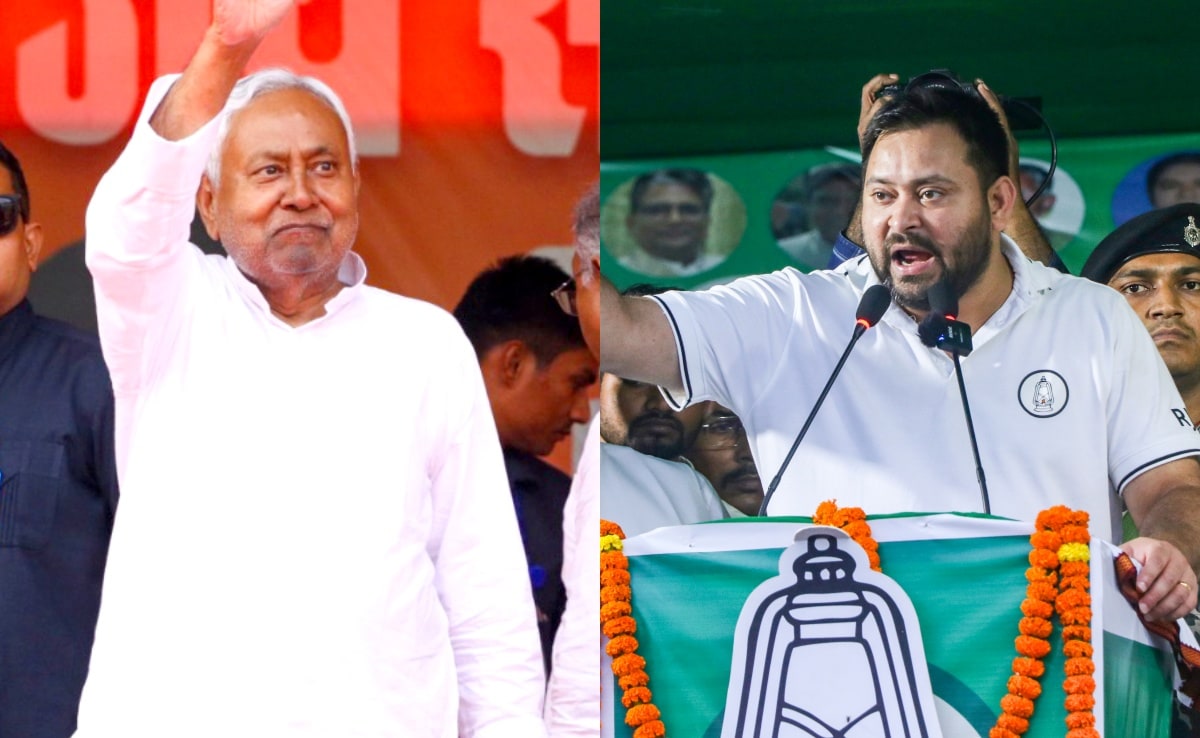
Indian democracy's vibrancy shines through assembly elections, and Bihar's 2025 results showcase this democratic spirit in action. The National Democratic Alliance (NDA) has secured a commanding lead in 190 of 243 seats, representing more than just numerical victory—it reflects the electorate's evolving aspirations and hopes. Nitish Kumar's JD(U) has shown remarkable growth, leading in approximately 76 seats, nearly doubling their 2020 performance of 43 seats.
This resurgence echoes the historic 2010 elections, often called the "Miracle of 2010," when the NDA captured 206 seats (115 for JD(U) and 91 for BJP). That victory harnessed public aspirations for development and stability. In 2025, we're witnessing a similar phenomenon, with the Modi-Nitish "jugalbandhi"—the harmonious partnership between Prime Minister Narendra Modi and Chief Minister Nitish Kumar—proving remarkably effective once again.
The strength of this alliance extends beyond strategic political alignment to genuine connection with diverse voter segments. Their collaborative approach appeals to both urban and rural constituents, amplifying multiple voices while framing political discourse around progress and unity.
Women voters have emerged as decisive factors in this election. Their unprecedented turnout demonstrates political engagement's transformative power. Traditionally marginalized in Bihar's political landscape, women have now asserted their presence and demanded recognition at polling stations across villages and cities.
This female voter surge contributed significantly to the Nitish wave phenomenon. Their participation reflects not merely numerical strength but collective aspirations for meaningful change. Focus on practical concerns such as infrastructure development (roads, electricity, and water) and women's safety indicates a broader societal shift. The electorate isn't simply voting for candidates but embracing visions that connect their hopes with promises of better futures. The NDA's women-centric policies and prohibition measures, coupled with effective grassroots engagement, resonated deeply with female voters across castes and regions, who overwhelmingly supported the Nitish Kumar government and PM Modi.
These election results signal a new chapter in Bihar's political narrative, positioned at the cusp of transformation. The NDA's substantial victory transcends party loyalty, speaking to the electorate's desire for continuity amid change—a defining paradox in contemporary Indian politics.
The numbers reveal a stark contrast with the Mahagathbandhan alliance's performance, now reduced to 64 seats. The RJD, once the single largest party, has fallen to third position behind both JD(U) and BJP. Despite the opposition alliance's attempts to craft a narrative of unity and collective strength, they seemingly failed to connect with a significant voter base. This disconnect in the political arena, where perception shapes narratives, has led to their retreat, highlighting the complexities inherent in India's coalition politics.
Campaign messaging differed dramatically between the alliances. While the NDA built their campaign on hope and optimism for Bihar's future, the Mahagathbandhan focused on issues of despair: alleged vote theft, unemployment, corruption, and economic stagnation.
The 2025 Bihar assembly elections ultimately highlight Indian democracy's dynamic nature, where strategy, identity, and aspirations intertwine to shape electoral outcomes. The NDA's sweeping victory represents more than an electoral mandate—it affirms the electorate's hunger for progress, inclusivity, and governance that acknowledges their lived realities.
Looking forward, the challenge lies in maintaining this momentum while ensuring that all voices—especially those of women and marginalized communities—are not just heard but valued. In Bihar's vibrant political mosaic, like the colorful festivals that mark its cultural calendar, the democratic ethos will continue evolving, reminding us that democracy's heart beats with the timeless pursuit of hope, change, and a better tomorrow.
Source: https://www.ndtv.com/india-news/decoding-bihar-trends-nda-banked-on-hope-mahagathbandhan-on-despair-9633700