
Delhi Air Pollution Crisis: Health Experts Warn of Irreversible Damage and Long-Term Health Risks
- Date & Time:
- |
- Views: 59
- |
- From: India News Bull
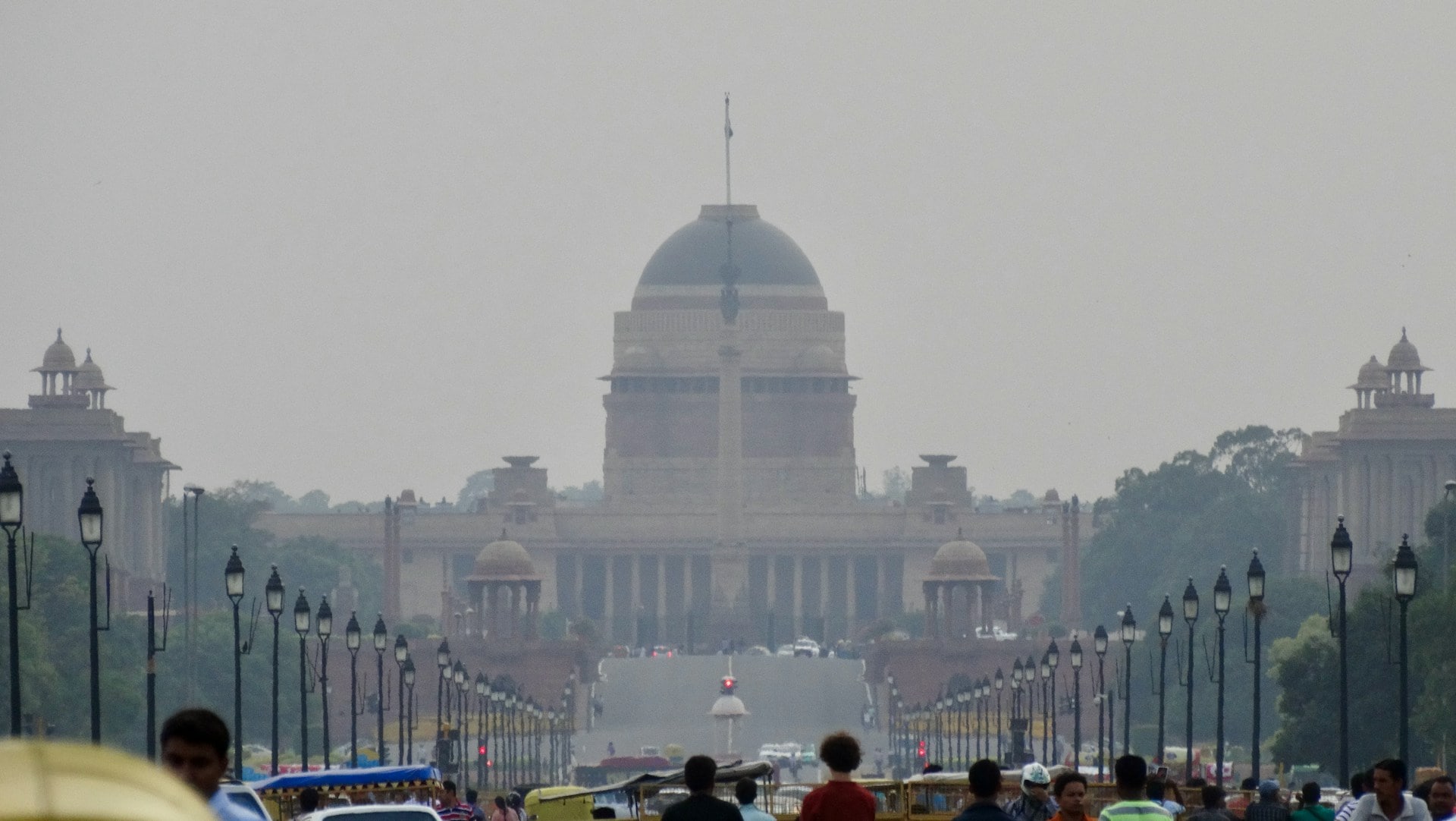
"No drug can restore lung function once it is lost," warned Dr Ashish Kumar (File)
New Delhi:
Health experts are increasingly concerned about the extensive and persistent health consequences resulting from prolonged exposure to Delhi's deteriorating air quality. Medical professionals caution that beyond respiratory issues, air pollution significantly increases cancer risk and weakens immunity.
According to the State of Global Air 2025 report, toxic air was linked to over two million deaths in India during 2023. With South Asia experiencing some of the world's highest PM2.5 concentrations, specialists characterize this situation as both an environmental disaster and human health crisis.
Environmental experts and policymakers identify multiple pollution sources in India. Approximately 30 percent of ambient PM2.5 comes from residential solid-fuel burning, while vehicles, coal-fired power plants, industrial emissions, and agricultural residue burning constitute additional major contributors. In metropolitan areas like Delhi, traffic congestion and construction dust further intensify exposure levels.
"Delhi represents the sharp edge of India's air-pollution emergency," explained Dr Rakesh K Chawla, who heads the department of respiratory medicine, sleep and interventional pulmonology at Jaipur Golden Hospital in Rohini.
He highlighted that winter particulate matter levels typically reach nearly ten times the WHO safe limit. "After Diwali and crop-residue burning, the city sits under a lid of stagnant cold air that traps toxins. This isn't just a seasonal inconvenience; it's a continuous assault on lungs that weakens immunity, worsens asthma, and accelerates chronic lung disease. Clean air must be treated as a basic right, not a luxury dependent on weather or wind."
Dr Chawla further noted that short-term interventions have proven ineffective. "From odd-even traffic schemes to cloud-seeding experiments, these are reactive, symbolic measures." He emphasized that Delhi requires sustained enforcement of emission standards, investment in electric public transportation, and strict regulation of construction and waste burning. Without systematic changes, he warned, the same public health catastrophe will recur every winter.
Dr Charu Jora Goyal, nuclear medicine physician and founder/CEO of Scan4Health, pointed out that air pollution becomes one of the most dangerous carcinogens during winter and festive seasons.
"Prolonged exposure to fine particulate matter, especially PM2.5 and PM10, is known to increase the risk of lung cancer even among non-smokers. These pollutants can enter the bloodstream and contribute to cancers of the bladder, breast, and other organs," explained Dr Goyal.
Dr Mandeep Singh Malhotra, director of surgical oncology at CK Birla Hospital, reinforced these concerns: "Air pollution itself is carcinogenic. If a patient with pollution-related cancer continues to stay in a polluted environment, the treatment becomes less effective. Pollution increases cancer incidence, reduces treatment effectiveness, and makes already weak patients weaker."
Beyond cancer, toxic air is causing increased breathing difficulties, eye irritation, and allergic reactions.
Aman Puri, founder of Steadfast Nutrition, explained that ultra-fine particulate pollutants accumulate in the lungs, triggering inflammation and restricting oxygen supply. He recommended incorporating antioxidant-rich foods, herbs, and spices like tulsi, turmeric, and ginger to help mitigate inflammation and oxidative stress.
"In already polluted environments, smoking multiplies the risk of chronic obstructive pulmonary disease," cautioned Dr Aditya K. Chawla, consultant at Jaipur Golden Hospital.
"No drug can restore lung function once it is lost. The only effective defence is prevention; quit smoking, limit outdoor exposure during high-pollution days, and use clean fuels at home. Public awareness, early screening, and long-term policy enforcement are the pillars of respiratory protection."
Dr Ashish Kumar, senior manager at Zeon Lifesciences, emphasized that polluted air exacerbates the condition of patients already undergoing treatment. Continuous exposure to poor air quality significantly hampers recovery and reduces oxygen levels.
"Clean air is vital for optimal lung function, better treatment response, and overall respiratory health, emphasising the need for pollution control and preventive care," he added.
Source: https://www.ndtv.com/india-news/experts-warn-of-long-term-health-consequences-as-delhis-air-quality-worsens-9617139