
The Legacy of 'Anandamath': How Bankim Chandra Chatterjee's Novel Birthed India's Iconic National Song 'Vande Mataram'
- Date & Time:
- |
- Views: 72
- |
- From: India News Bull
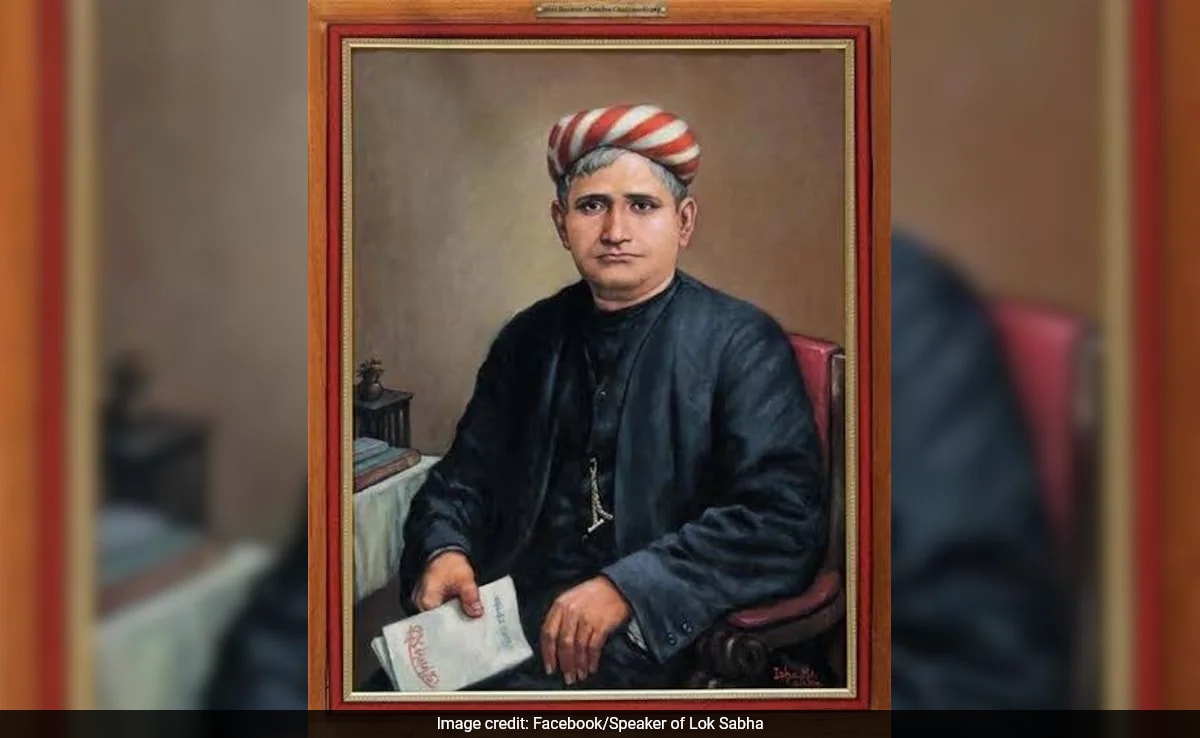
Bankim Chandra Chatterjee's masterpiece "Vande Mataram" translates to "Mother, I Bow to Thee," a phrase that resonates deeply within India's national identity.
Today, November 7, marks the 150th anniversary of India's national song 'Vande Mataram,' bringing renewed attention to the literary work "Anandamath" that introduced this powerful composition to the world.
The song, penned by Bankim Chandra Chatterjee, has served as a wellspring of inspiration for freedom fighters and nation builders throughout generations, evolving into an enduring symbol of India's collective spirit and national consciousness.
The journey of "Anandamath" began when it was serialized in Bangadarshan, a Bengali monthly magazine founded and edited by Chatterjee himself. The iconic "Vande Mataram" first appeared in the inaugural installment of this serialization, published in the March-April 1881 issue. When the complete novel was released in 1882, Chatterjee integrated this stirring hymn, which was later set to music by the renowned Rabindranath Tagore.
At the heart of "Anandamath" is the story of a group of ascetics known as santanas, meaning "children." These dedicated individuals consecrate their lives to their motherland, worshipping their birthplace as the divine mother goddess. Within the novel, the santanas sing "Vande Mataram," which epitomizes the "religion of patriotism" that forms the novel's central theme.
According to Britannica, "Vande Mataram" appears as a six-stanza devotional poem in "Anandamath." Set during the sannyasi rebellion—an early anti-colonial uprising by Hindu ascetics against the East India Company—and against the backdrop of the catastrophic Bengal famine of 1770, the narrative follows Mahendra, a wealthy landowner who loses everything in the turmoil. Finding refuge with rebel sanyasins, he witnesses a pivotal moment when they worship the motherland as a goddess and recite "Vande Mataram."
In their temple, the santanas displayed three manifestations of the Mother symbolizing the nation: one representing the glorious past, another depicting the suffering-filled present, and the third illustrating a future brimming with strength and dignity.
Bankim Chandra Chatterjee (1838-1894), the creator of this influential composition, stands as one of the most important literary figures from 19th-century Bengal. As a multifaceted writer—novelist, poet, and essayist—he significantly shaped modern Bengali prose while articulating an emerging sense of Indian nationalism. His literary corpus, including "Durgeshnandini" (1865), "Kapalkundala" (1866), "Anandamath" (1882), and "Devi Chaudhurani" (1884), reflects the social, cultural, and moral preoccupations of a colonized society striving to establish its identity.
Source: https://www.ndtv.com/india-news/inside-anandamath-the-celebrated-book-that-gave-india-vande-mataram-9591468